
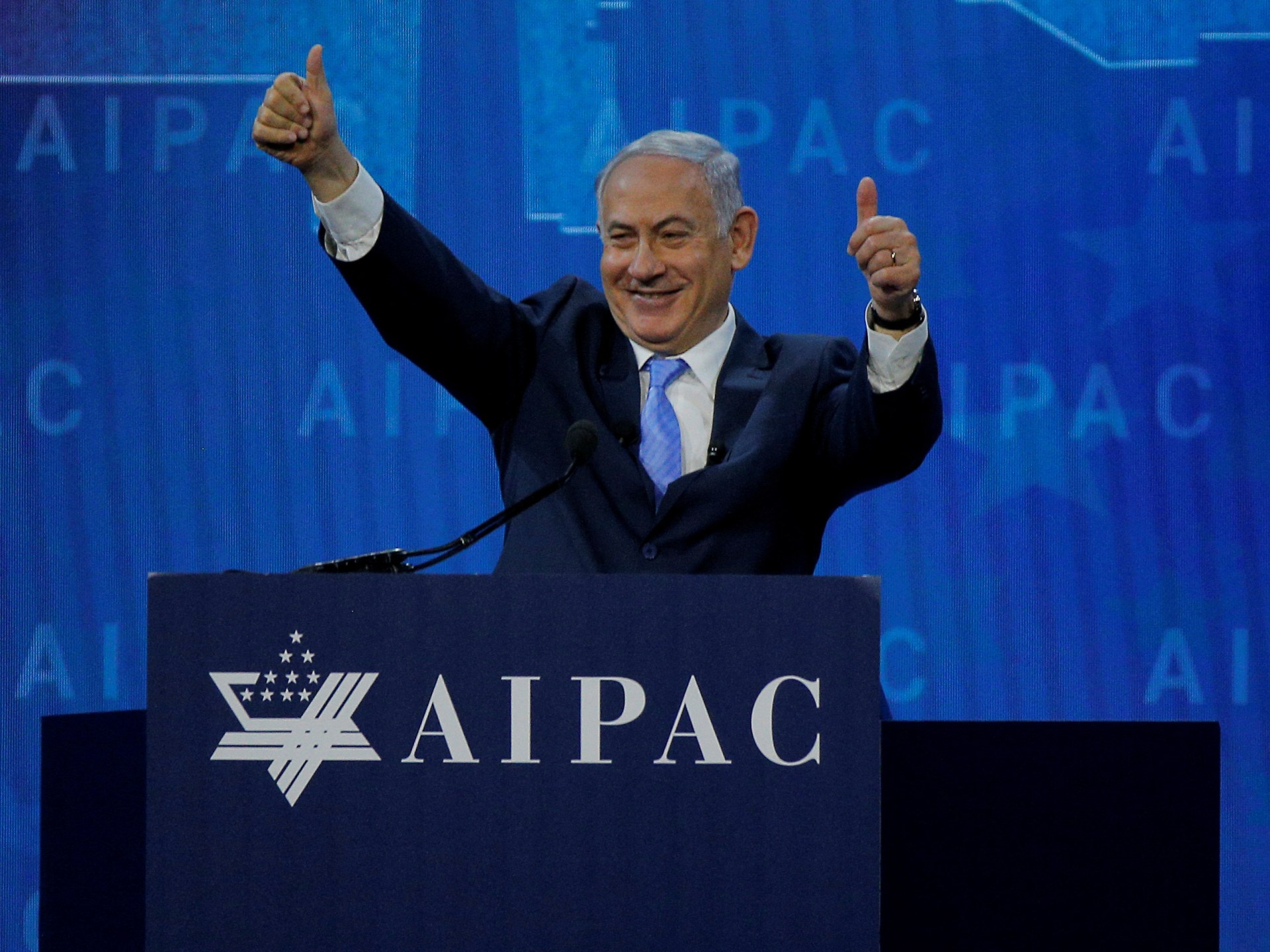
Proposed Defense Bill Seeks Closer US-Israel Military Integration
The United States Congress is currently reviewing a provision within the draft 2027 defense spending bill that could lead to an unprecedented level of military and weapons industry collaboration between the United States and Israel. This legislative initiative signals a potential shift towards a more deeply intertwined defense relationship, extending beyond existing strategic partnerships.
Key Aspects of the Proposed Integration
The specific language within the draft bill suggests mechanisms designed to facilitate greater interoperability and joint development between the defense sectors of both nations. While the exact details remain subject to congressional debate and revision, the overarching goal appears to be the creation of a more unified approach to defense manufacturing, research, and strategic planning.
- Enhanced Weapons Systems Collaboration: The proposal could pave the way for joint ventures in the development and production of advanced weaponry, potentially leading to shared intellectual property and manufacturing processes.
- Streamlined Procurement Processes: It may introduce measures to simplify and expedite the acquisition of defense articles and services between the two countries, reducing bureaucratic hurdles.
- Increased Information Sharing: The provision might include clauses to bolster the exchange of sensitive military intelligence and technological data, fostering a more integrated operational environment.
- Joint Training and Exercises: While already robust, the bill could further institutionalize and expand combined military exercises, ensuring greater coordination in potential future scenarios.
Historical Context of US-Israel Defense Relations
The United States and Israel have a long-standing and robust defense relationship, characterized by significant military aid, intelligence sharing, and cooperation on regional security challenges. The US has historically provided substantial financial assistance to Israel for defense purposes, including funding for advanced military hardware and missile defense systems like the Iron Dome. This relationship has been a cornerstone of US foreign policy in the Middle East, aimed at ensuring Israel's qualitative military edge in the region.
“The enduring strategic partnership between the United States and Israel has been vital for regional stability and shared security objectives. This proposed legislation seeks to build upon that foundation, adapting to evolving geopolitical landscapes.”
However, the proposed provision in the 2027 defense bill marks a potential escalation in the depth of this integration, moving beyond traditional aid and cooperation to a more symbiotic relationship between their respective defense industrial bases. This could mean a more formalized and extensive merging of defense production capabilities, potentially impacting supply chains and technological advancements for both nations.
Implications and Perspectives
The advancement of this plan by Congress carries several implications. For proponents, it represents a logical progression of a critical alliance, enhancing both countries' security capabilities and fostering innovation through shared resources. They might argue that a more integrated defense industry would lead to more efficient development of cutting-edge technologies and a stronger deterrent against regional threats.
Conversely, critics might raise concerns about the extent of such integration, particularly regarding national sovereignty over defense industries and potential entanglements in future conflicts. Questions could also arise about the economic impact on domestic defense contractors and the broader geopolitical ramifications of such a deeply entrenched military partnership. The balance between maintaining national control over critical defense assets and leveraging the benefits of international collaboration will likely be a central theme in ongoing discussions.
As the 2027 defense bill progresses through the legislative process, the specific language and scope of this provision will be subject to scrutiny and debate, ultimately shaping the future trajectory of US-Israeli military and industrial cooperation.
Source: Al Jazeera
Related Articles
 politics
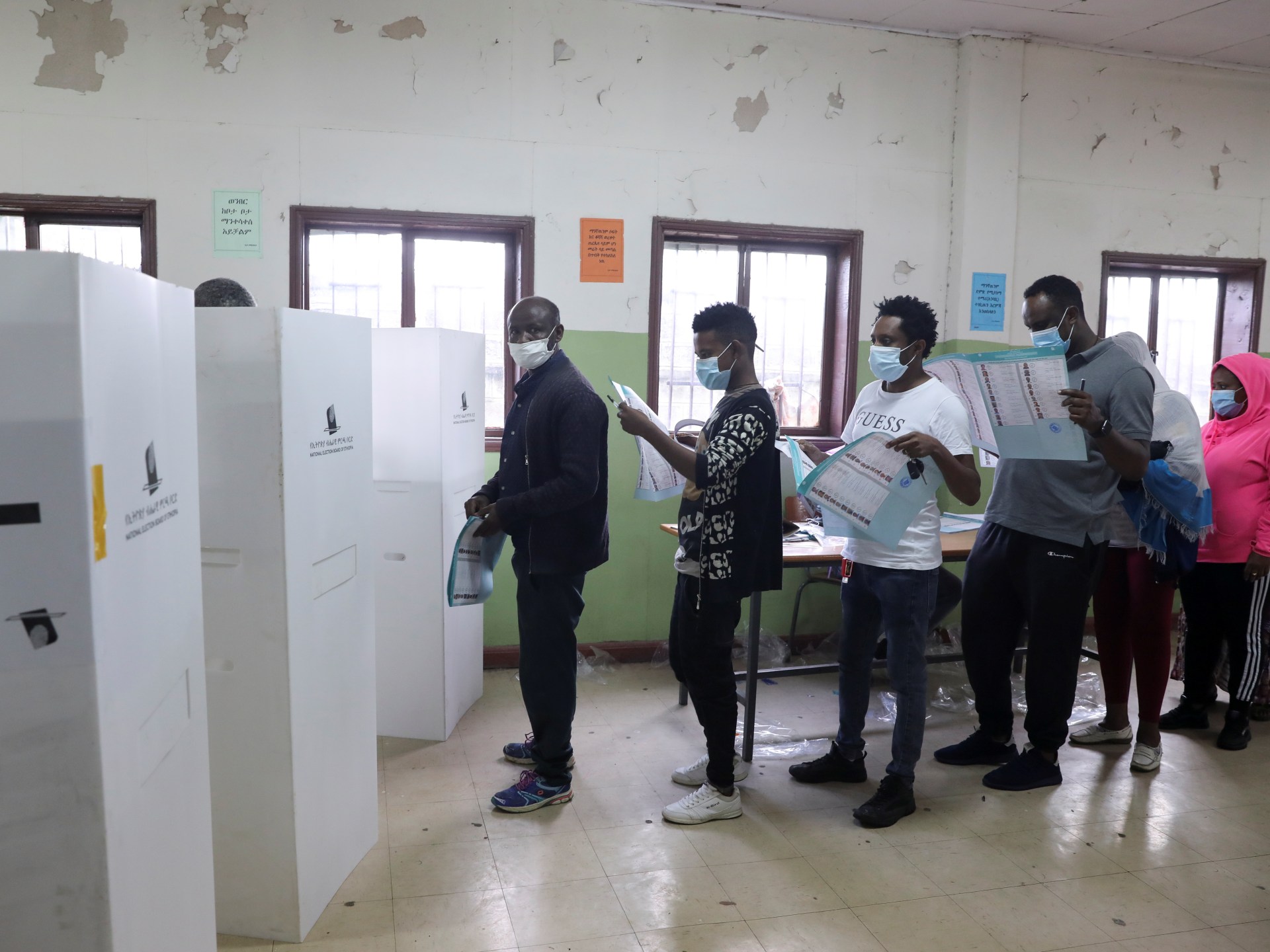
Ethiopia's Electoral Process: A Step Towards Democratic Consolidation Amidst Challenges
 politics
Ethiopia's Electoral Landscape Amidst Human Rights Concerns
 politics
Ethiopia Prepares for General Elections Post-Tigray Peace Accord
 politics