
Ethiopia's Electoral Landscape Four Years After Peace
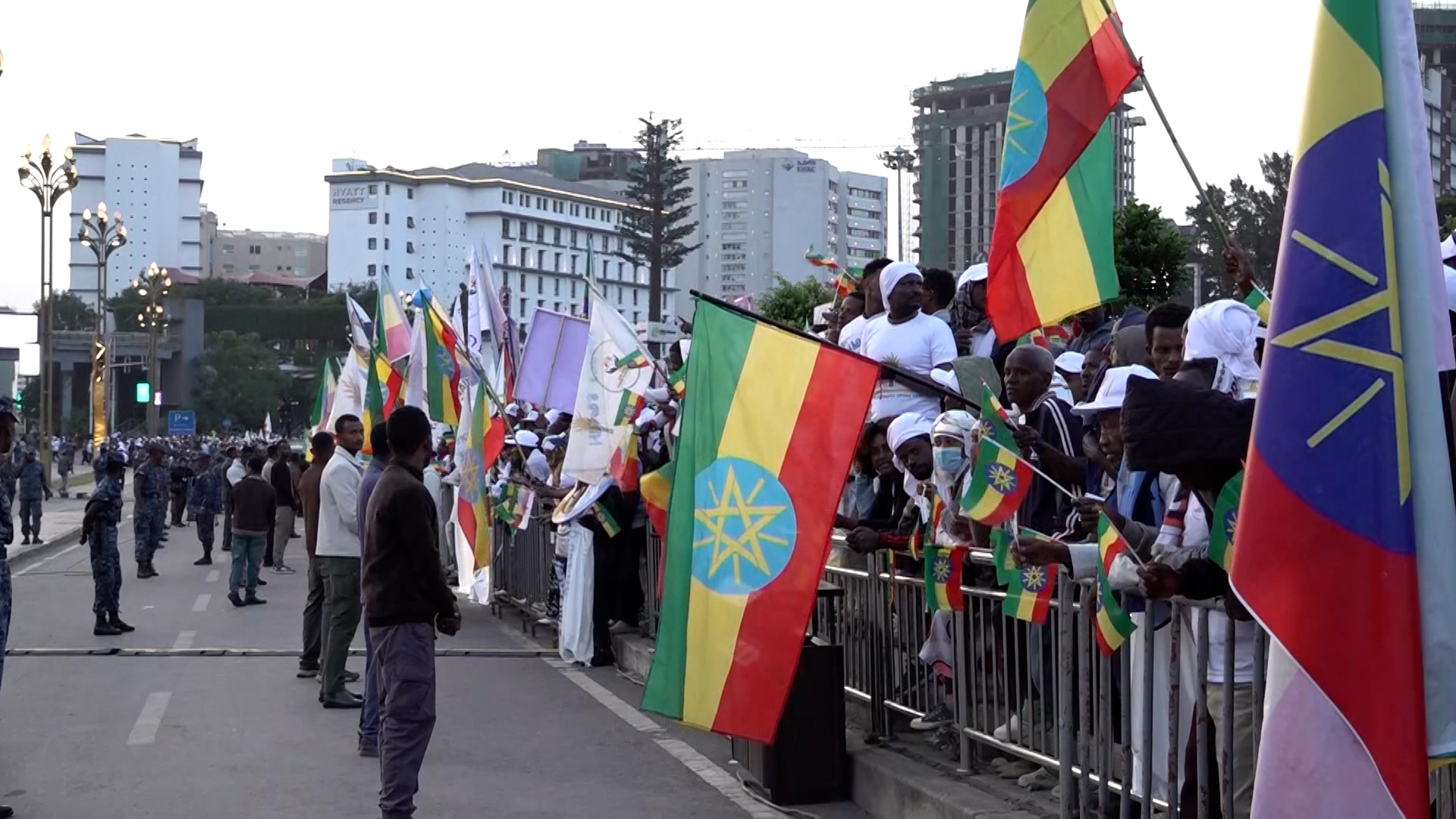
Ethiopia is gearing up to conduct general elections, a significant event that will be the first of its kind since the formal cessation of hostilities in the Tigray region. This upcoming electoral process takes place approximately four years after the peace agreement that brought an end to the conflict, signaling a potential shift in the nation's political trajectory.
The Road to Reconciliation and Elections
The Tigray war, a devastating internal conflict, concluded with a peace deal that aimed to stabilize the country and foster national reconciliation. The period following this agreement has been crucial for Ethiopia as it navigates the complexities of post-conflict recovery, reconstruction, and the re-establishment of political normalcy. Holding general elections at this juncture is a testament to the ongoing efforts to restore democratic processes and provide citizens with an opportunity to participate in shaping their future leadership.
Significance of the Upcoming Vote
These elections hold immense significance for Ethiopia, both domestically and internationally. Domestically, they represent a critical step towards consolidating peace and rebuilding trust among various ethnic and political groups. The elections will test the government's commitment to democratic principles and its ability to conduct a free and fair electoral process in a post-conflict environment. For the international community, the elections will be closely watched as an indicator of Ethiopia's stability and its adherence to democratic governance.
Challenges and Expectations
Despite the optimism surrounding the elections, several challenges remain. Ensuring the security of voters and candidates, particularly in regions previously affected by conflict, will be paramount. Logistics, voter education, and the impartial monitoring of the electoral process will also be crucial for the credibility of the outcome. Furthermore, addressing the underlying grievances that fueled past conflicts and ensuring equitable representation for all communities will be vital for long-term stability.
Voters will be casting their ballots to elect representatives who will be tasked with addressing a range of pressing issues, including economic development, social cohesion, and ongoing peacebuilding efforts. The outcome of these elections is expected to play a pivotal role in defining Ethiopia's political landscape for the coming years.
Source: Al Jazeera
Related Articles
 politics
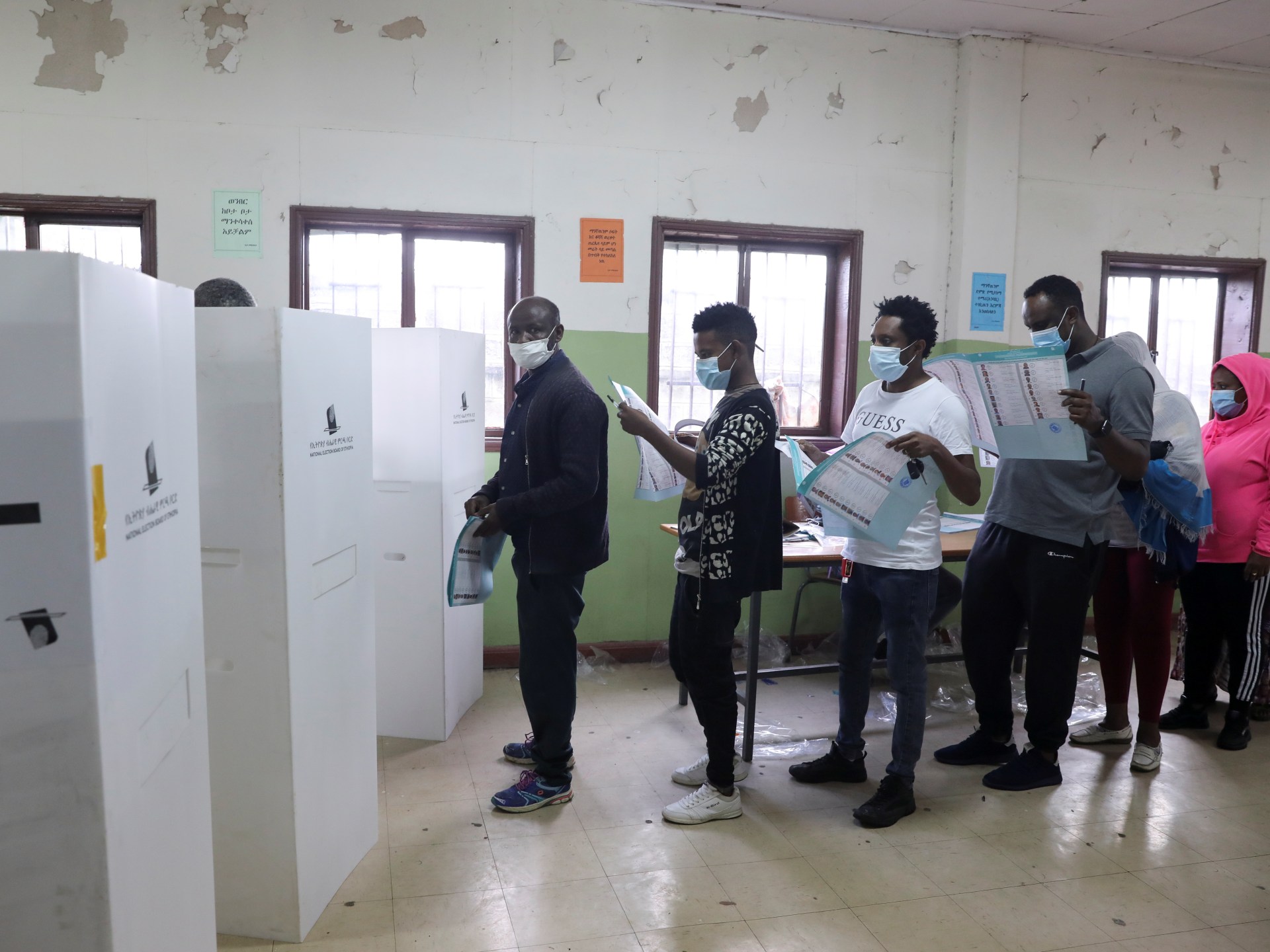
Ethiopia's Electoral Process: A Step Towards Democratic Consolidation Amidst Challenges
 politics
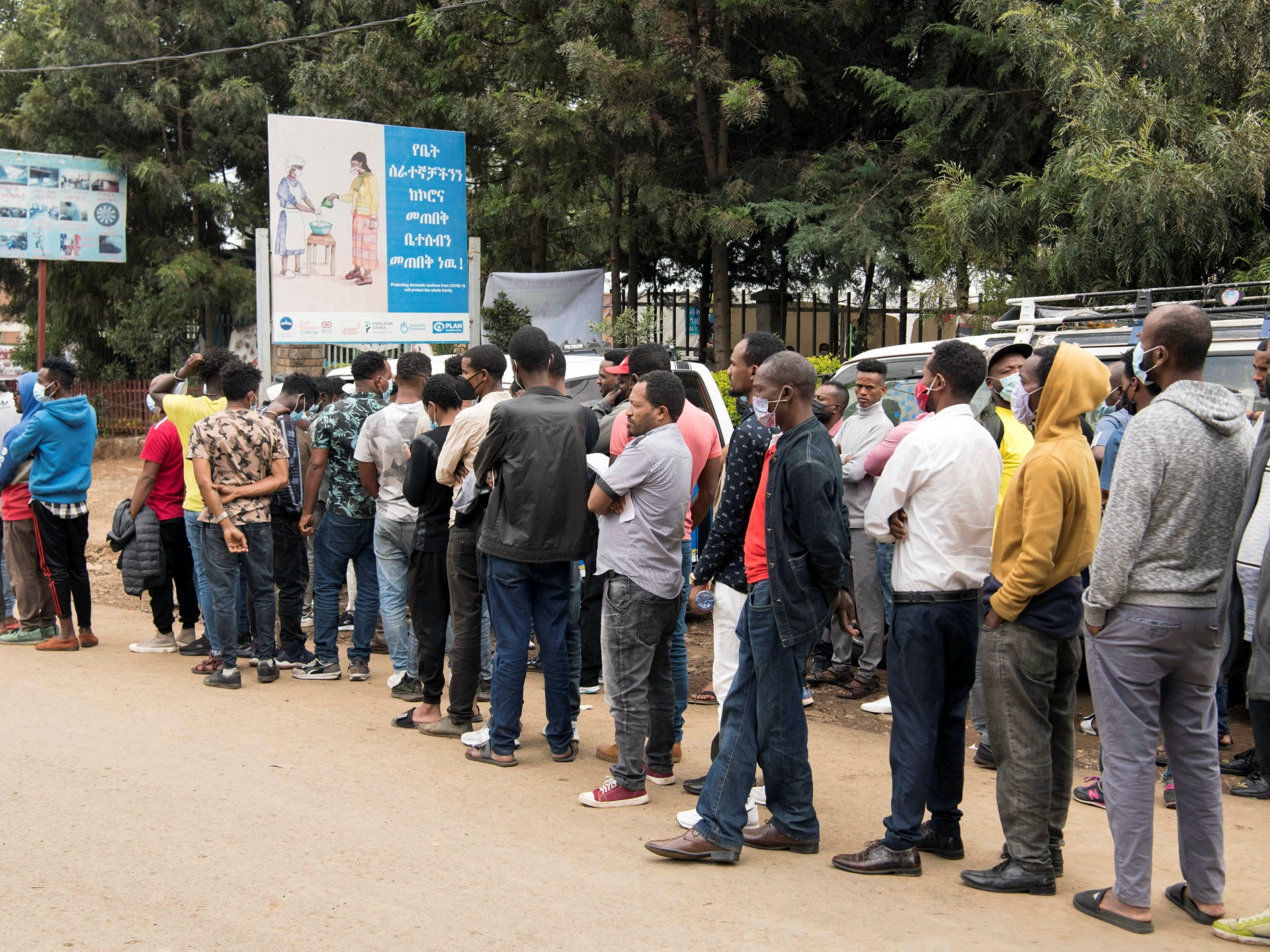
Ethiopia's Electoral Landscape Amidst Human Rights Concerns
 politics
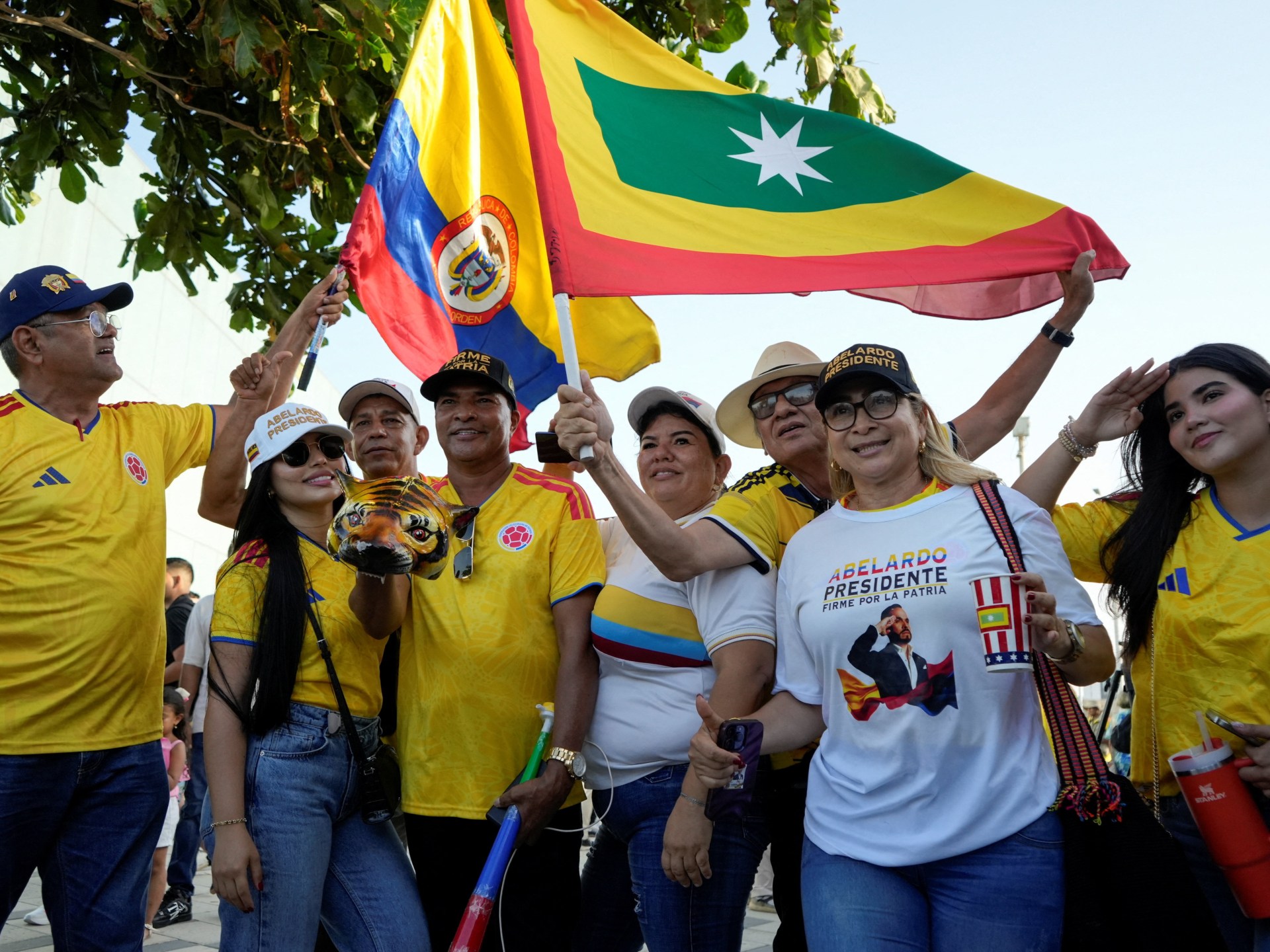
Colombian Presidential Race Narrows to Cepeda and de la Espriella
 politics