
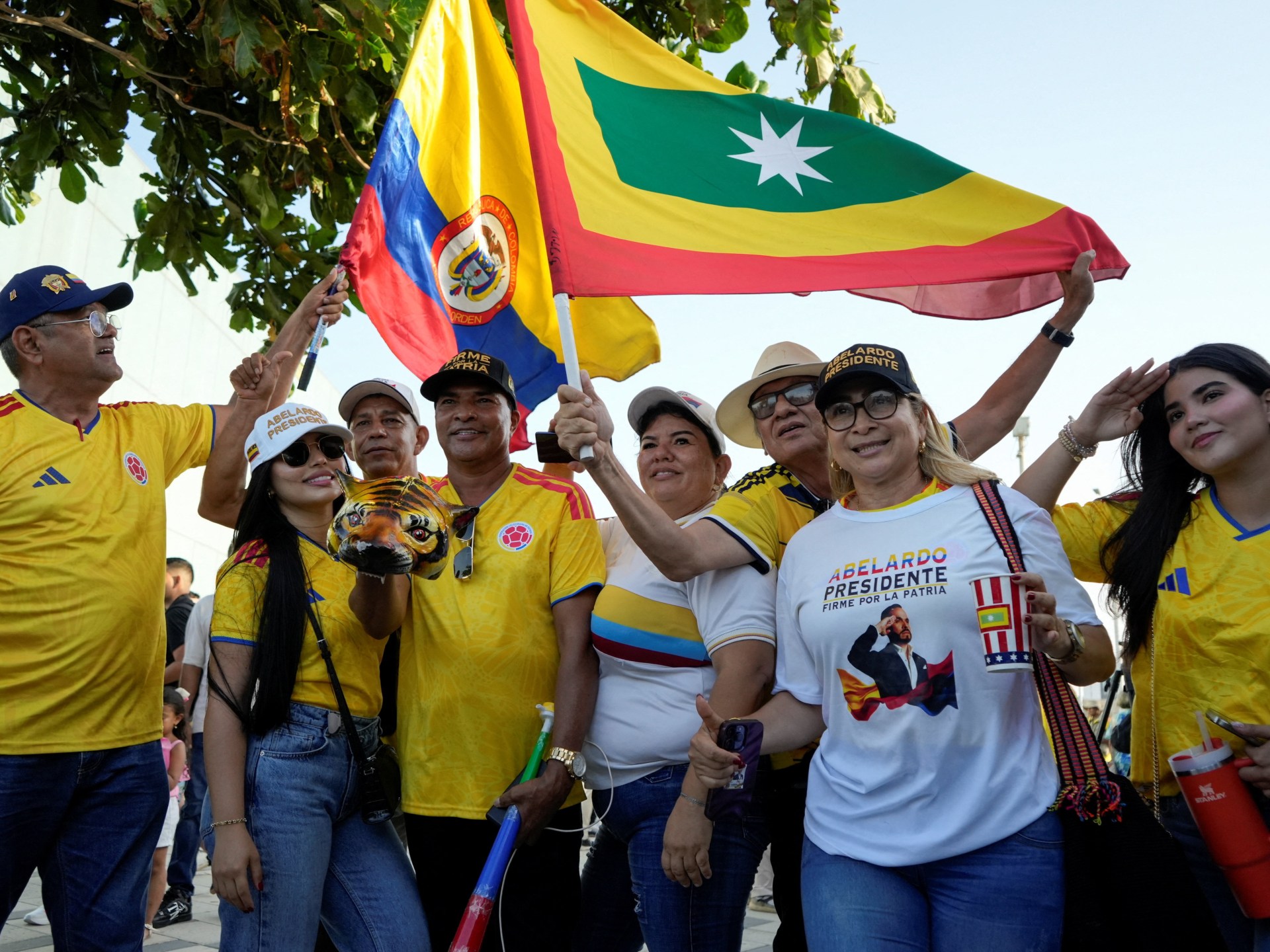
Presidential Election Heads to Second Round
Colombian voters will return to the polls on June 21 to decide their next president, following a first round that saw left-wing Senator Manuel Cepeda and far-right political figure Sofia de la Espriella emerge as the leading contenders. The two candidates, representing distinct ends of the political spectrum, are set to face off in a decisive run-off election.
Key Issues Dominating the Campaign
As the election campaign transitions into its final phase, the issue of security has become a paramount concern for many Colombians and a central talking point for both candidates. The nation continues to grapple with various security challenges, including the activities of armed groups, organized crime, and urban violence. Each candidate is expected to present their comprehensive strategies for addressing these complex issues, which deeply impact the daily lives of citizens across the country.
Manuel Cepeda: The Left-Wing Standard-Bearer
Manuel Cepeda, a seasoned senator with a long history in Colombian politics, represents the left-wing faction. His campaign has typically focused on social justice, economic equality, and environmental protection. Supporters often view him as a voice for marginalized communities and an advocate for systemic change. His policy proposals frequently include reforms aimed at reducing poverty, strengthening public services, and pursuing peace initiatives. Cepeda's platform is likely to emphasize a nuanced approach to security, potentially combining social investment with targeted law enforcement efforts, and addressing the root causes of conflict.
Sofia de la Espriella: The Far-Right Challenger
On the other side of the political divide is Sofia de la Espriella, a relatively new face in the national political arena. Representing the far-right, her campaign has resonated with voters concerned about law and order, and those seeking a strong stance against crime. De la Espriella's rhetoric often centers on national sovereignty, traditional values, and a robust approach to security challenges. Her proposals typically involve strengthening military and police capabilities, implementing stricter penalties for criminals, and ensuring public safety through decisive action. Her rise from a newcomer to a presidential contender highlights a significant shift in a segment of the Colombian electorate's preferences.
The Road to the Run-off
The first round of voting, while not leading to an outright winner, effectively narrowed the field to these two distinct candidates. The upcoming weeks will undoubtedly be marked by intense campaigning, televised debates, and efforts by both camps to win over undecided voters and those who supported other candidates in the initial round. The political landscape in Colombia is often dynamic, and alliances or endorsements from other political figures could play a crucial role in influencing the final outcome.
Voter Sentiment and Expectations
The electorate's decision in the run-off will reflect their priorities concerning the nation's future direction. With security as a primary concern, voters will be scrutinizing the candidates' plans for tackling crime, ensuring peace, and protecting citizens. Beyond security, other significant issues like economic stability, employment, healthcare, and education are also expected to weigh heavily on voters' minds as they prepare to cast their ballots in late June.
Source: Al Jazeera
Related Articles
 politics
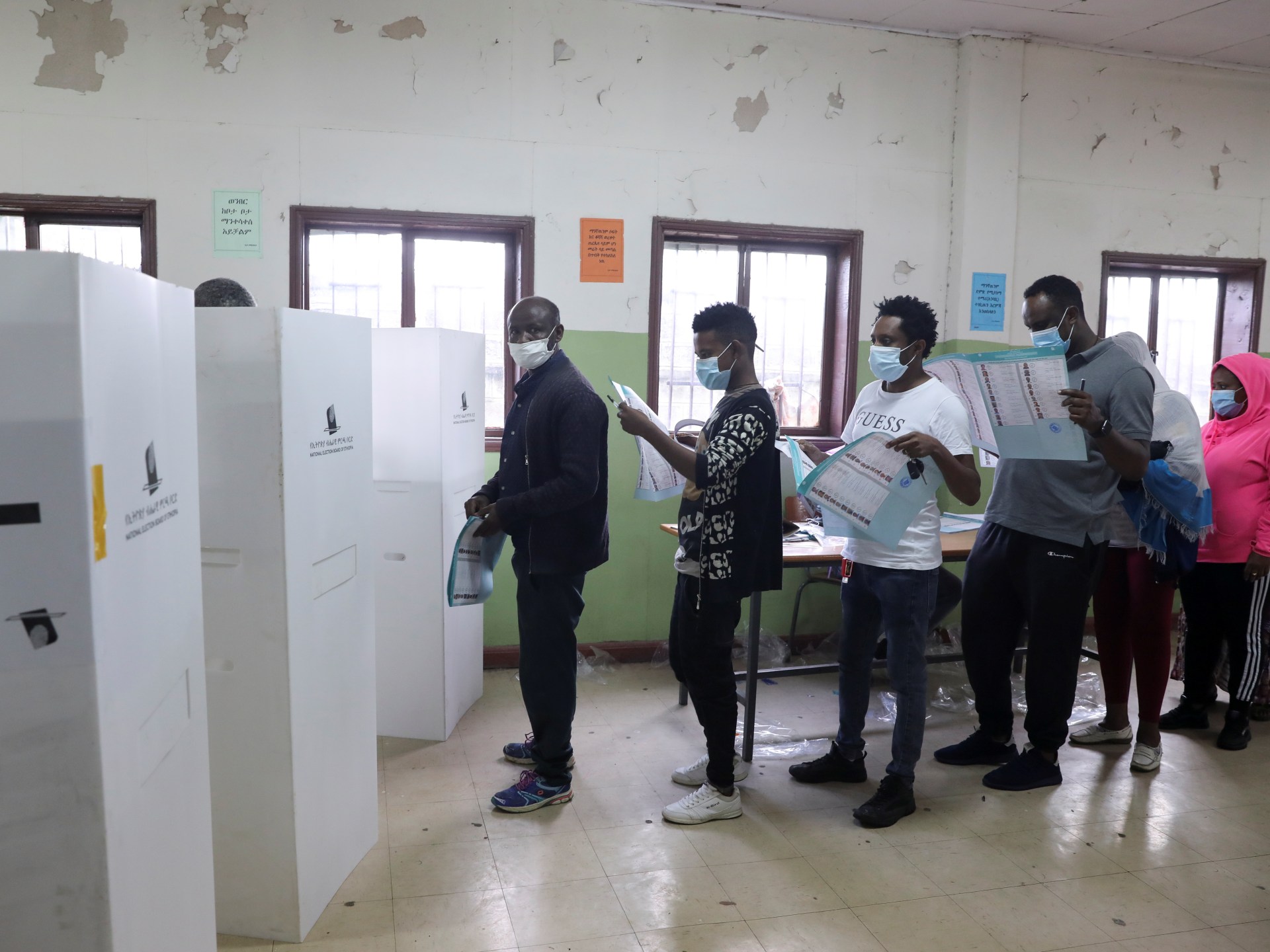
Ethiopia's Electoral Process: A Step Towards Democratic Consolidation Amidst Challenges
 politics
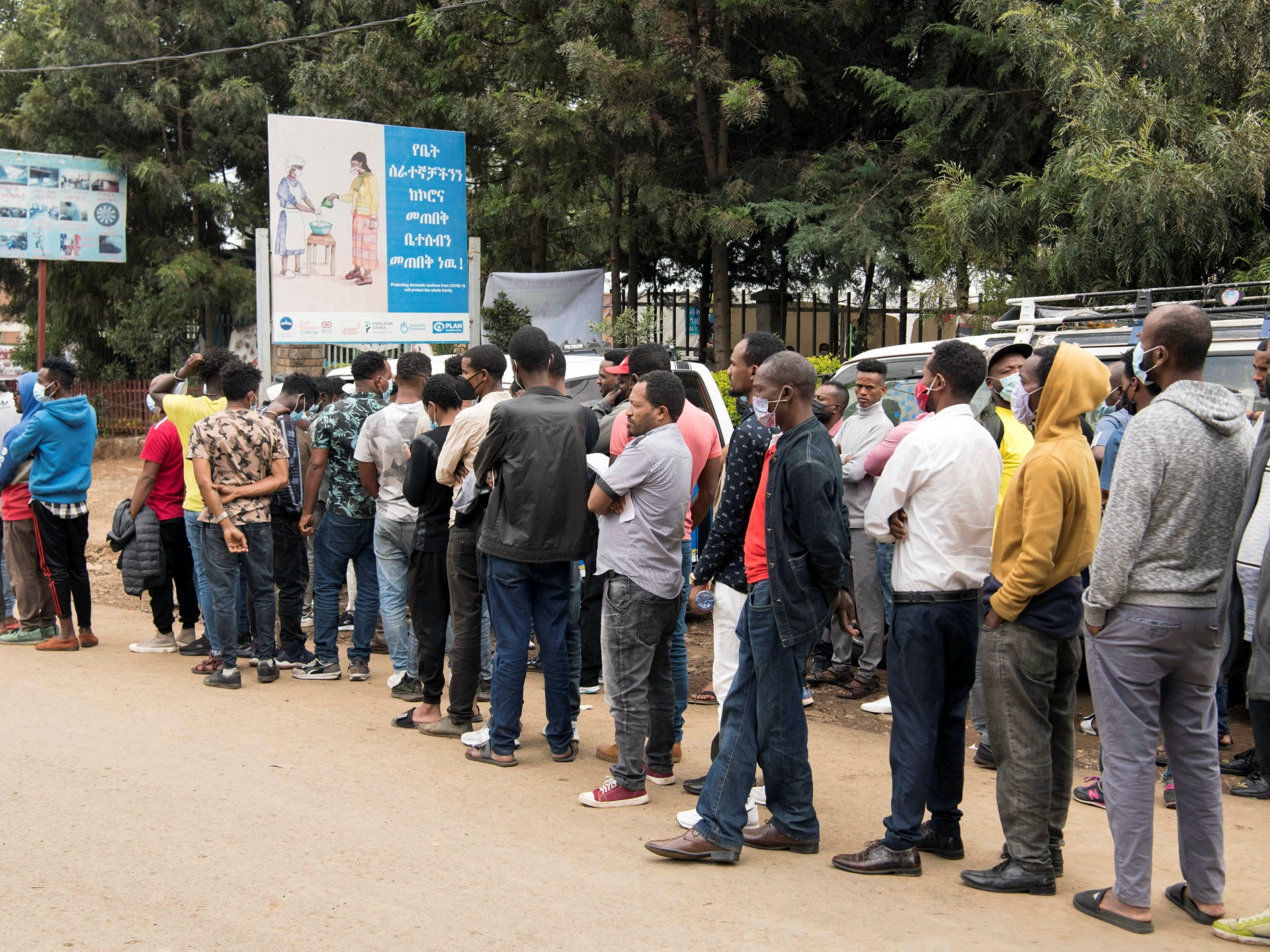
Ethiopia's Electoral Landscape Amidst Human Rights Concerns
 politics
Ethiopia Prepares for General Elections Post-Tigray Peace Accord
 politics