
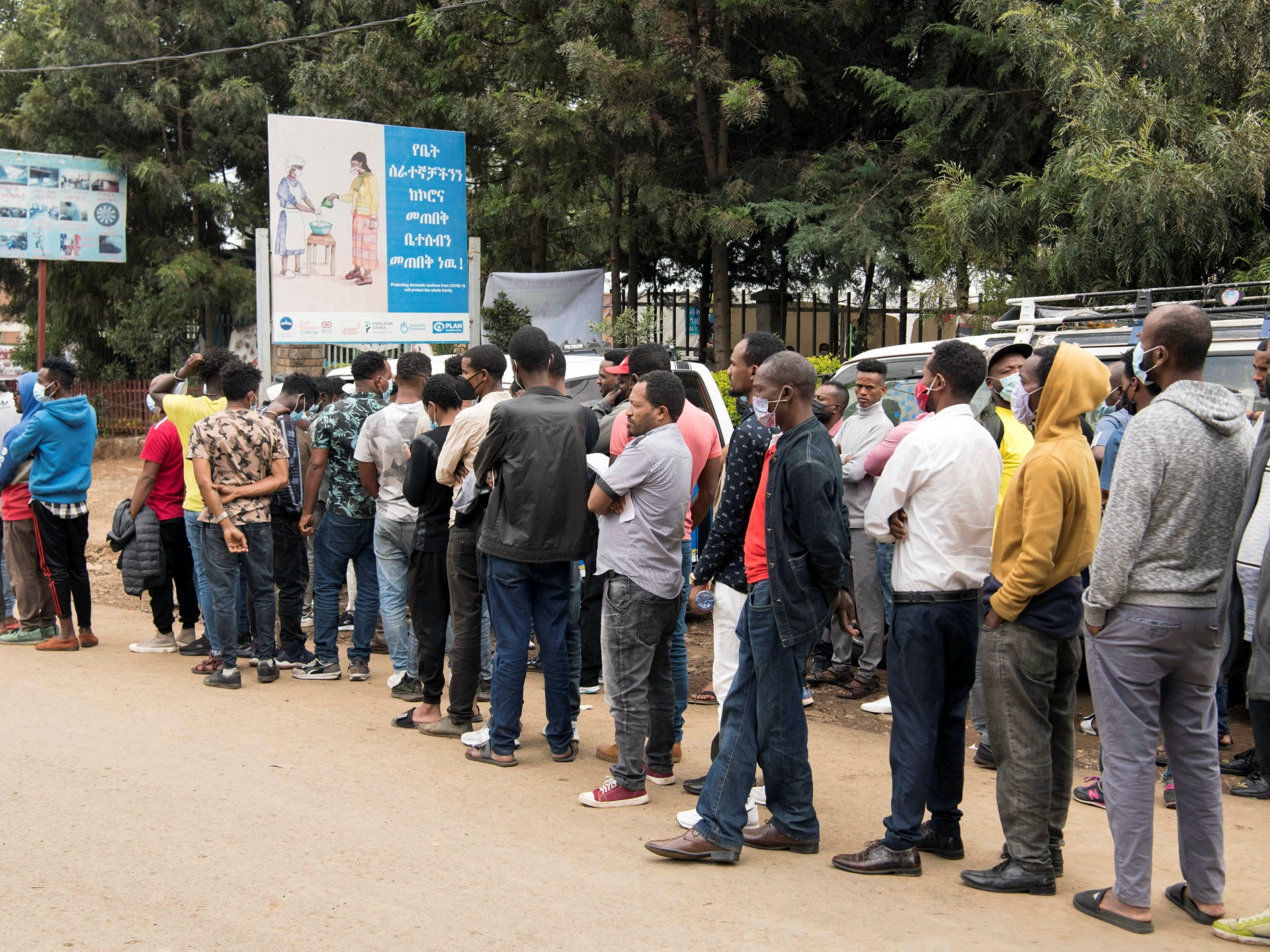
Ethiopia Prepares for General Election
Ethiopia is currently in the midst of its general election, a process that is drawing international scrutiny. The electoral period is unfolding at a time when the nation grapples with multiple internal challenges, including persistent armed conflicts and increasing reports of human rights abuses. These issues are casting a significant shadow over the democratic exercise, leading many observers to question the fairness and legitimacy of the polls.
Internal Conflicts and Their Impact
The Horn of Africa nation has been plagued by a series of internal conflicts in various regions, most notably in the Tigray region, but also in Oromia and Amhara. These conflicts have resulted in widespread displacement, loss of life, and severe disruptions to daily life. The humanitarian consequences are dire, with millions requiring assistance and many more facing food insecurity. The presence of active conflict zones poses logistical and security challenges for the electoral commission, potentially disenfranchising voters in affected areas and raising questions about the representativeness of the election's outcome.
Furthermore, these internal conflicts have been accompanied by allegations of grave human rights violations committed by all parties involved. Reports from various human rights organizations and international bodies detail extrajudicial killings, arbitrary detentions, sexual violence, and the destruction of civilian infrastructure. Such allegations underscore the fragility of the human rights situation and create an atmosphere of fear and distrust, which can significantly impede free and fair participation in the electoral process.
Deepening Repression and Civic Space
Beyond the direct impact of conflict, there are growing concerns about the shrinking civic space and increasing repression across Ethiopia. Critics and opposition figures have reported harassment, intimidation, and arbitrary arrests. Laws related to terrorism and civil society organizations have been criticized for being used to stifle dissent and limit freedom of expression and assembly. Journalists, human rights defenders, and political activists frequently face obstacles in carrying out their work, contributing to an environment where open political discourse is constrained.
The ability of citizens to freely express their political views, organize, and participate in peaceful protests is fundamental to any democratic election. When these freedoms are curtailed, the legitimacy of the electoral process can be undermined. International bodies and human rights advocates have repeatedly called on the Ethiopian government to uphold its commitments to human rights and to ensure that all citizens can exercise their fundamental freedoms without fear of reprisal.
International Community's Role
As Ethiopia proceeds with its election, the international community faces a critical juncture. There are calls for sustained attention to the human rights situation and the ongoing conflicts. Observers suggest that international engagement should extend beyond merely monitoring the election to actively advocating for accountability for human rights abuses and supporting efforts towards peaceful conflict resolution. The stability of Ethiopia, a key player in the Horn of Africa, has broader regional implications, making its internal challenges a matter of significant international concern.
Ensuring a credible and inclusive electoral process, alongside addressing the root causes of conflict and upholding human rights, is seen as crucial for Ethiopia's long-term stability and democratic development. The election, therefore, represents not just a political event but a moment for the nation to reflect on its trajectory concerning governance, peace, and human rights.
Source: Al Jazeera
Related Articles
 politics
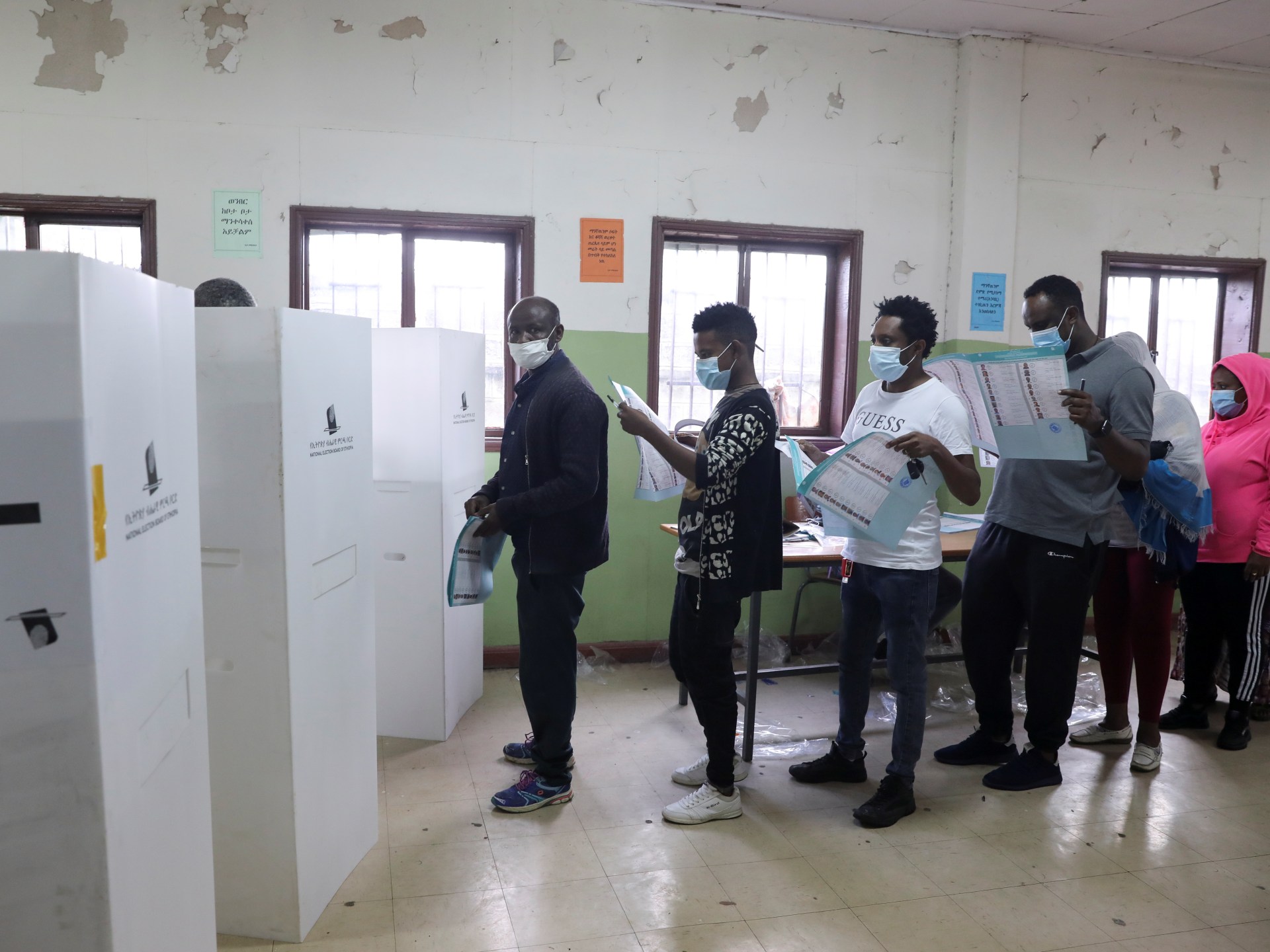
Ethiopia's Electoral Process: A Step Towards Democratic Consolidation Amidst Challenges
 politics
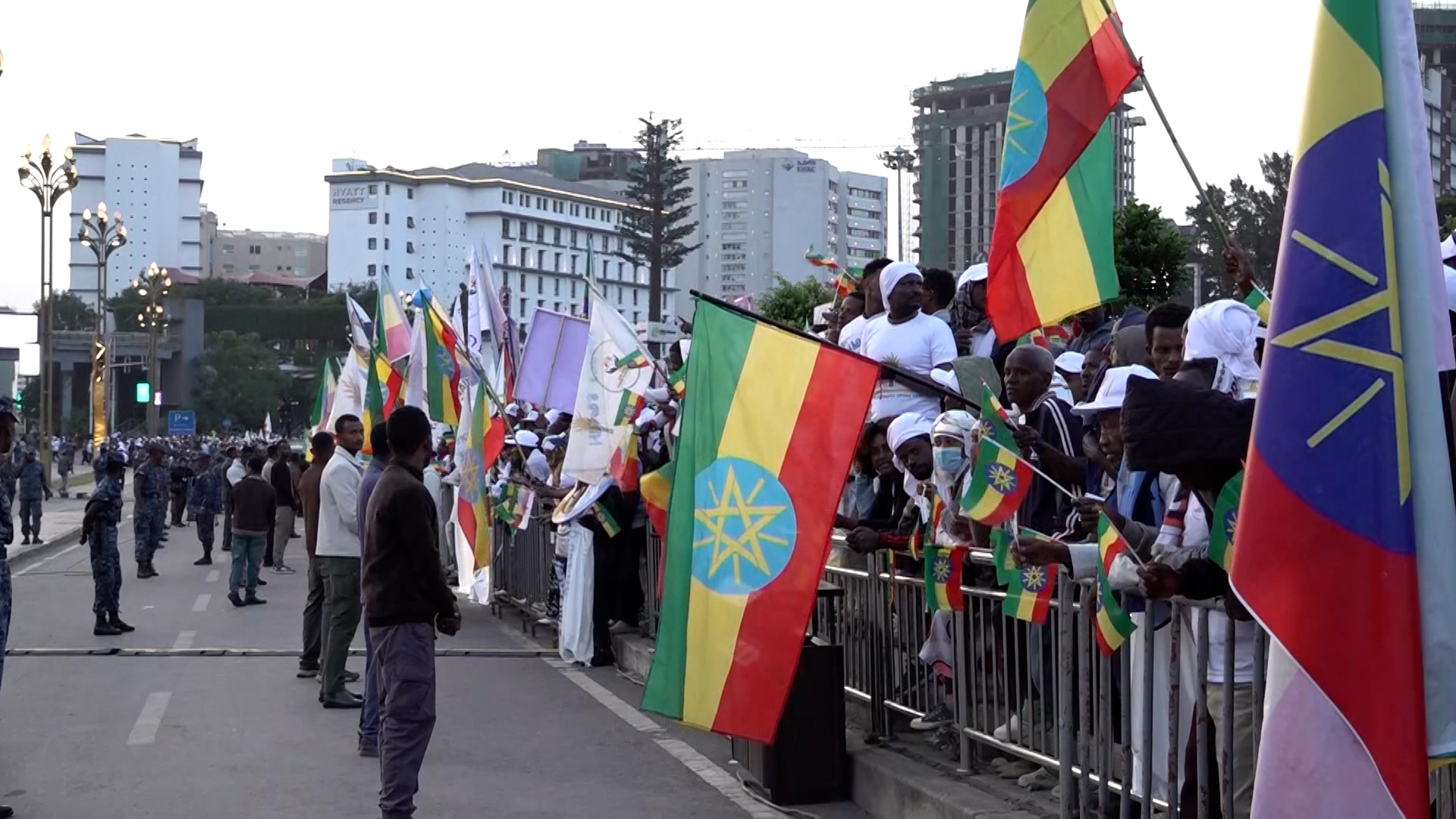
Ethiopia Prepares for General Elections Post-Tigray Peace Accord
 politics
Colombian Presidential Race Narrows to Cepeda and de la Espriella
 politics