
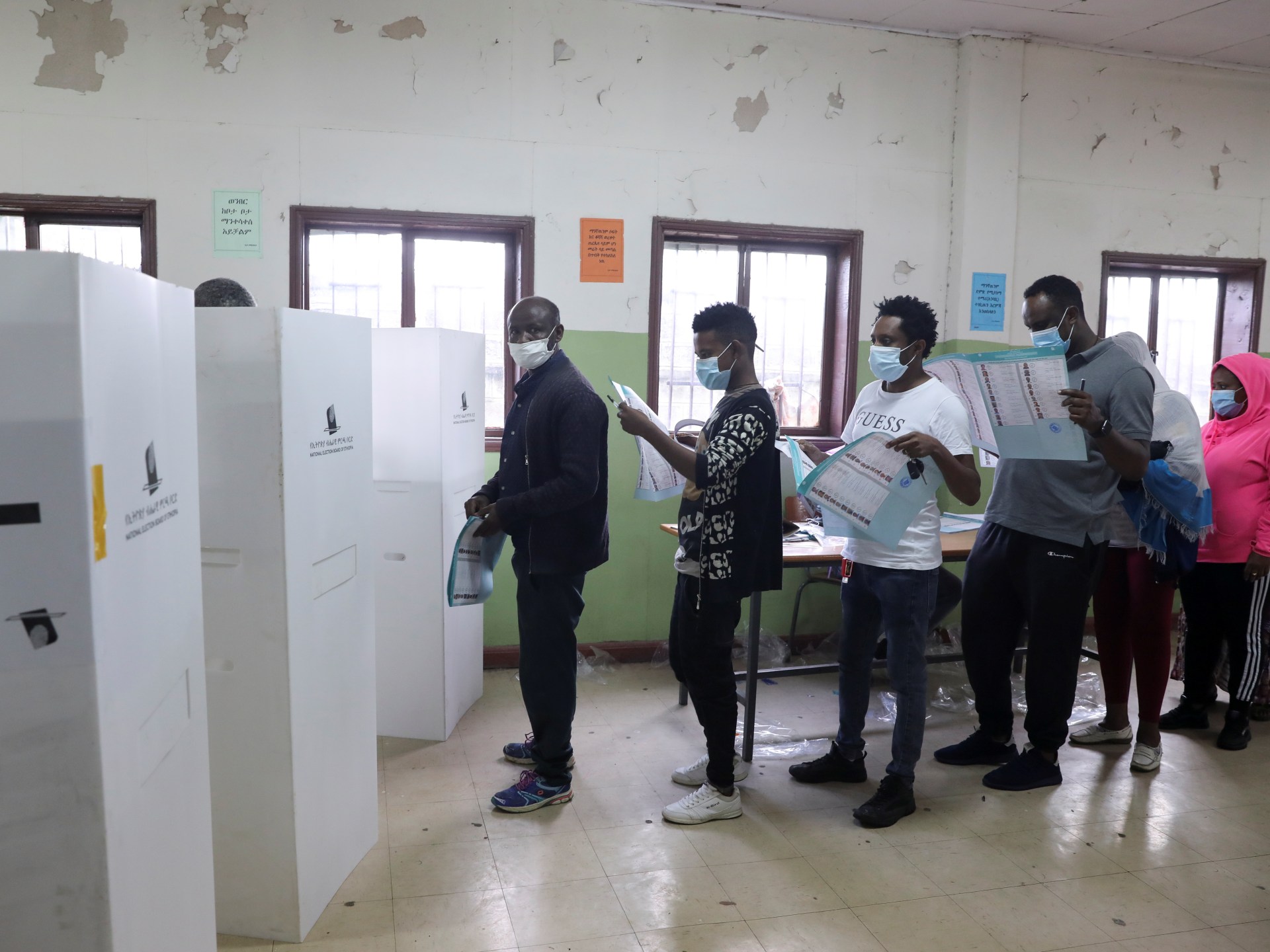
The Significance of Ethiopia's National Election
Ethiopia is poised to conduct a national election, an event that carries considerable weight for the nation's political landscape and its aspirations for democratic governance. This electoral exercise is not merely a procedural formality but is framed as an affirmation of a national commitment to democratic ideals, even as the country navigates a multifaceted set of internal difficulties.
The concept of democratic consolidation suggests a deepening and strengthening of democratic institutions and norms within a society. For Ethiopia, this election is presented as a vital component of that journey. It offers an opportunity for citizens to participate in shaping their leadership and to reinforce the principles of accountability and representation.
Challenges on the Path to Democracy
It is widely acknowledged that a national vote, by itself, cannot instantly resolve all the intricate challenges facing a nation. Ethiopia, like many countries undergoing significant political transitions, is grappling with a range of issues that include regional conflicts, economic pressures, social divisions, and humanitarian concerns. These complexities can indeed test the resilience of any nascent democratic process.
However, proponents argue that the act of holding elections, even in challenging environments, can serve as a foundational element for long-term stability and democratic growth. It provides a structured mechanism for political competition and succession, which, when conducted fairly and transparently, can contribute to greater legitimacy for the government and increased public trust in state institutions.
The Role of Elections in Democratic Consolidation
Democratic consolidation is a gradual process that involves more than just periodic elections. It encompasses the development of robust legal frameworks, independent judiciaries, a vibrant civil society, and a culture of respect for human rights and political pluralism. Nevertheless, elections remain a cornerstone, providing the periodic opportunity for citizens to express their will and hold their leaders accountable.
In the context of Ethiopia, the election is seen as a moment to engage the populace in a collective decision-making process. It can foster a sense of shared ownership in the political system and encourage dialogue on critical national issues. The outcomes of the election, particularly if perceived as credible and legitimate by the majority, could contribute to a renewed sense of national unity and purpose.
“A national vote alone can't address all challenges in the country, but it can be a step toward democratic consolidation.”
This sentiment highlights a pragmatic view of the election's potential impact. It acknowledges the limitations of a single event while emphasizing its strategic importance as a building block for a more stable and democratic future. The true measure of its success will lie not just in the immediate results, but in how it contributes to the broader trajectory of political reform and national development in the years to come.
For Ethiopia, the electoral process is therefore a complex undertaking, fraught with expectations and potential pitfalls. Yet, it remains a critical endeavor for a nation committed to advancing its democratic journey and addressing its challenges through institutional and peaceful means.
Source: Al Jazeera
Related Articles
 politics
Ethiopia's Electoral Landscape Amidst Human Rights Concerns
 politics
Ethiopia Prepares for General Elections Post-Tigray Peace Accord
 politics
Colombian Presidential Race Narrows to Cepeda and de la Espriella
 politics