
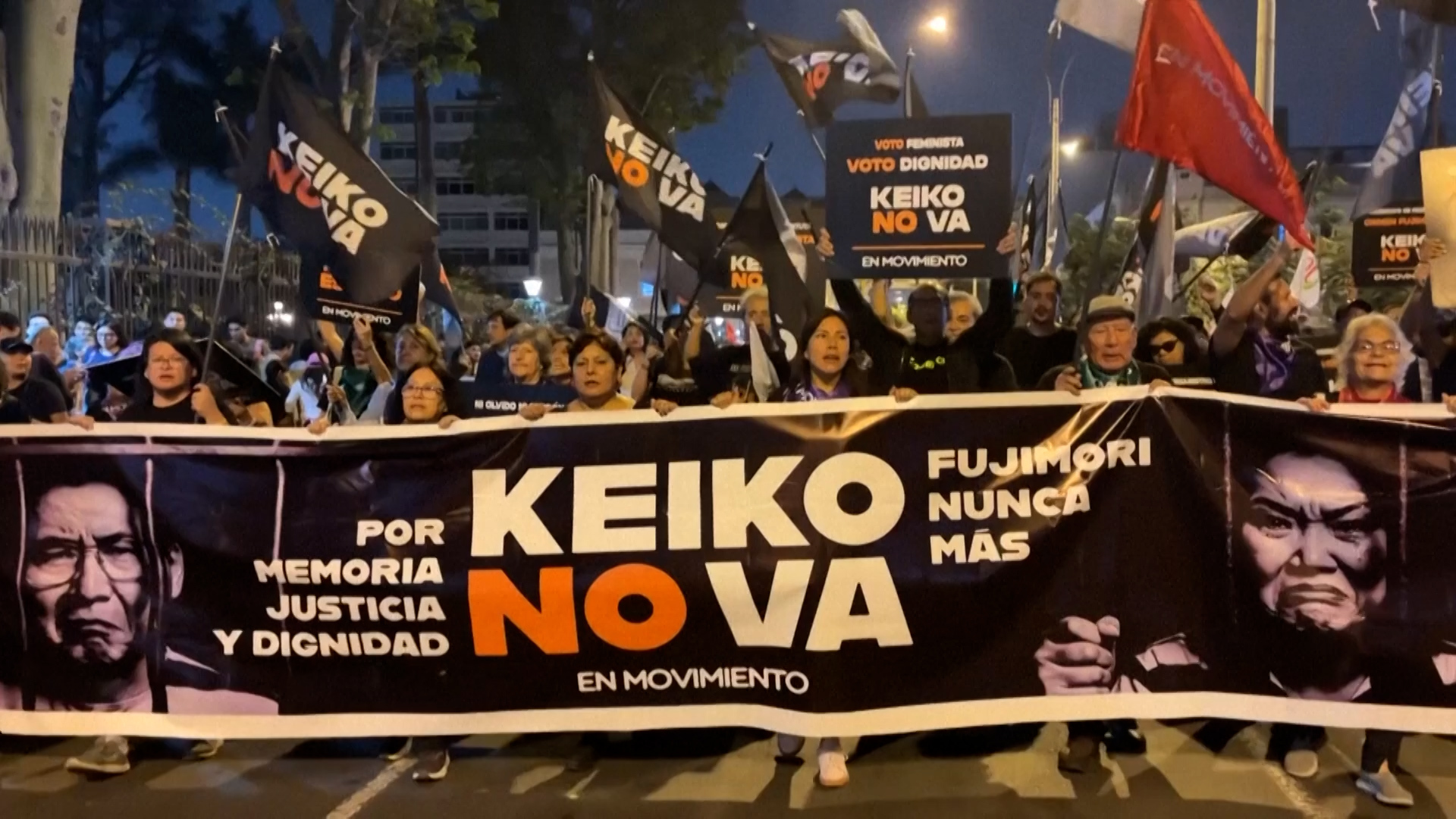
Widespread Discontent Fuels Protests in Peruvian Capital
Peru's capital city, Lima, recently became the focal point of significant public unrest as thousands of citizens mobilized to express their strong disapproval of Keiko Fujimori's presidential campaign. The large-scale demonstrations underscore the deep-seated political polarization within the nation, particularly concerning the legacy and influence of the Fujimori family in Peruvian politics.
Historical Context of Fujimori's Political Aspirations
Keiko Fujimori, a prominent figure in Peruvian politics, has made multiple attempts to secure the presidency. Her current bid is not the first, and each campaign has historically been met with varying degrees of public support and opposition. Her political career is inextricably linked to her father, Alberto Fujimori, who served as president from 1990 to 2000. His tenure, while credited by some with stabilizing the economy and combating terrorism, was also marked by controversies, including human rights abuses and corruption, for which he was later imprisoned.
Reasons Behind the Public's Opposition
The recent protests in Lima are indicative of a segment of the Peruvian population that remains wary of a potential Fujimori presidency. Several factors contribute to this opposition:
- Legacy of Alberto Fujimori: Many protesters harbor strong memories of her father's administration, particularly concerns over authoritarian tendencies, human rights violations, and corruption scandals. Critics fear that a Keiko Fujimori presidency could signal a return to similar governance styles or a weakening of democratic institutions.
- Rule of Law Concerns: Keiko Fujimori herself has faced legal challenges, including investigations into alleged money laundering and illicit campaign financing. While she maintains her innocence, these legal battles have fueled public skepticism about her commitment to transparency and the rule of law.
- Political Polarization: Peru has experienced significant political instability and fragmentation in recent years. The Fujimori candidacy often acts as a lightning rod, intensifying existing divisions between those who support her platform and those who vehemently oppose it.
- Desire for New Leadership: A portion of the electorate expresses a desire for fresh leadership, untainted by past controversies, to address the nation's ongoing social and economic challenges.
Nature of the Demonstrations
The protests observed in Lima were characterized by their peaceful yet determined nature. Participants marched through key streets, carrying banners and chanting slogans that reflected their opposition to Fujimori's candidacy. The scale of the demonstrations suggests a significant level of public engagement and concern regarding the direction of the country's political future. Security forces were typically present to monitor the situation and ensure public order, though no major incidents of violence were reported.
Impact on the Presidential Race
Such public demonstrations, while not always directly translating into electoral outcomes, play a crucial role in shaping public discourse and influencing voter sentiment. They serve as a visible expression of dissent, potentially galvanizing opposition voters and prompting candidates to address the concerns raised by protesters. The ongoing protests highlight the complex and often contentious nature of Peruvian politics, where historical grievances and contemporary challenges frequently intersect.
As the presidential election cycle progresses, the visibility of these protests will likely continue to draw international attention to Peru's democratic processes and the political choices facing its citizens. The outcome of the election will undoubtedly reflect the nation's struggle to reconcile its past with its aspirations for a stable and prosperous future.
Source: Al Jazeera
Related Articles
 politics
Ethiopia's Electoral Process: A Step Towards Democratic Consolidation Amidst Challenges
 politics
Ethiopia's Electoral Landscape Amidst Human Rights Concerns
 politics
Ethiopia Prepares for General Elections Post-Tigray Peace Accord
 politics