
Louisiana's Redistricting Process Concludes with New Map
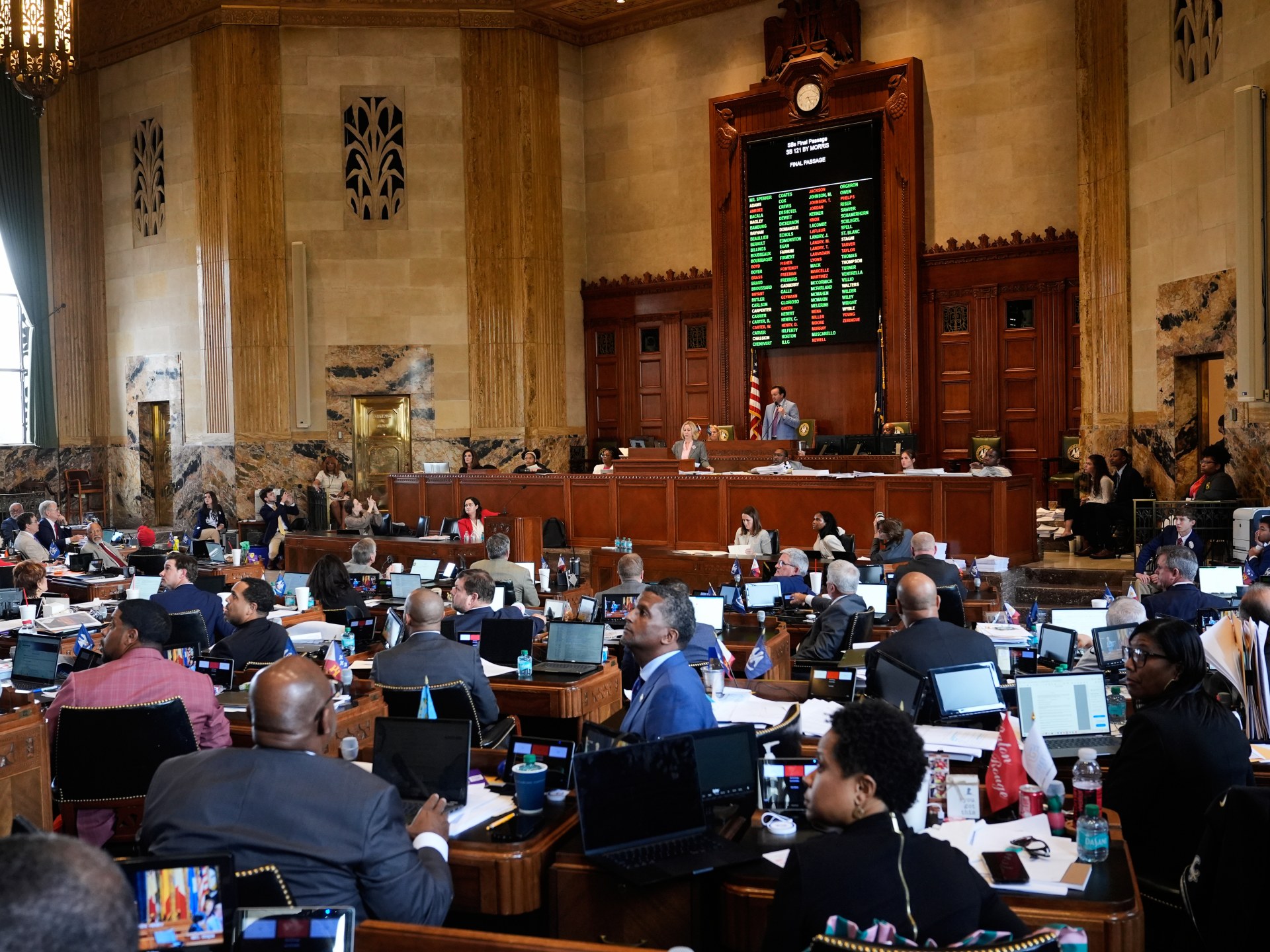
The legislative body of Louisiana has successfully passed a revised congressional map, a decision that is expected to enhance the Republican Party's advantage in future elections. This action comes after an April ruling by the Supreme Court, which significantly influenced the state's redistricting landscape and necessitated a new approach to drawing electoral boundaries.
Impact of the Supreme Court Ruling
The Supreme Court's involvement in Louisiana's redistricting process was pivotal. In April, the Court issued a ruling that effectively overturned a prior federal court decision. That earlier decision had mandated the creation of a second congressional district where Black voters constituted a majority, in accordance with the Voting Rights Act of 1965. The Supreme Court's subsequent ruling, however, sent the case back to a lower court, suggesting that the initial interpretation of the Voting Rights Act might have been overly broad or misapplied in Louisiana's context.
This judicial back-and-forth created a window for the state legislature to revisit and revise its congressional map. Lawmakers were tasked with redrawing the districts while navigating the complex legal interpretations of voting rights and representation, ultimately leading to the map that has now been approved.
The New Map's Configuration and Expected Outcomes
The newly approved map reconfigures the state's six congressional districts. Notably, it eliminates the second majority-Black district that had been a point of contention and legal debate. Instead, the new boundaries are drawn in a way that consolidates Republican strength across several districts, potentially making it more challenging for Democratic candidates to secure seats in the state's congressional delegation.
Political analysts suggest that under this new configuration, Republicans are likely to maintain or even expand their current representation in the U.S. House of Representatives from Louisiana. The shift is primarily attributed to the redrawing of district lines that dilute the voting power of demographic groups that traditionally lean Democratic, particularly African American communities, across multiple districts rather than concentrating it into a single, highly competitive or majority-minority district.
Legislative Debates and Voting Rights Concerns
The passage of the new map was not without significant debate within the Louisiana Legislature. Opponents of the map raised concerns about its potential impact on minority representation, arguing that it could disenfranchise a substantial portion of the state's electorate. They contended that the map does not adequately reflect the demographic diversity of Louisiana and may violate the spirit, if not the letter, of the Voting Rights Act.
“The fundamental concern is whether the voices of all Louisianans are truly being heard and represented through these new district lines,” stated one legislator during the debate. “We have a responsibility to ensure fair representation for every citizen, regardless of their background or political affiliation.”
Supporters of the map, predominantly Republican lawmakers, maintained that the new districts were drawn in a constitutionally sound manner and reflected legitimate governmental interests, such as compactness and contiguity, while adhering to the Supreme Court's guidance. They argued that the map provides equitable representation based on population distribution and legal precedents, without intentionally discriminating against any group.
Future Implications and Potential Challenges
The approval of this congressional map marks a significant moment for Louisiana's political landscape. While the legislative process has concluded, the legal challenges may not be entirely over. It is possible that civil rights groups or other organizations could file new lawsuits, arguing that the map still infringes upon the voting rights of minority populations. Such legal actions would likely prolong the uncertainty surrounding Louisiana's congressional districts and could potentially lead to further judicial interventions.
For the upcoming electoral cycles, the new map sets the stage for potentially less competitive races in several districts, solidifying the Republican Party's hold on the majority of Louisiana's congressional seats. The long-term impact on voter engagement, political participation, and the demographic makeup of the state's representation in Washington D.C. will be closely watched in the years to come.
Source: Original Article
Related Articles
 politics
Ethiopia's Electoral Process: A Step Towards Democratic Consolidation Amidst Challenges
 politics
Ethiopia's Electoral Landscape Amidst Human Rights Concerns
 politics
Ethiopia Prepares for General Elections Post-Tigray Peace Accord
 politics