
President Aoun Extends Independence Day Greetings to US
In a message commemorating the United States' 250th Independence Day, Lebanese President Joseph Aoun conveyed his hopes for a new era of stability in Lebanon. He specifically urged the U.S. to uphold its commitment to his nation, advocating for its 'right and just causes, its institutions, army and people'. This appeal comes after a recent, U.S.-brokered framework agreement between Lebanon and Israel.
President Aoun expressed optimism that this period could facilitate Lebanon in 'turning the page on wars' and 'opening a new page of hope, peace and stability'. Echoing this sentiment, the U.S. Embassy in Lebanon, via a post on X, affirmed its 'great pride' in standing with the Lebanese people as they strive for 'a brighter future – one of peace, prosperity and promise long overdue'.
Framework Agreement and Hezbollah's Stance
A significant development preceding President Aoun's remarks was the signing of a U.S.-backed framework deal last week between Israel and Lebanon. This agreement aims to establish a lasting resolution to the ongoing conflict involving the Hezbollah armed group in southern Lebanon. Key provisions of the deal include the disarmament of Hezbollah, a phased withdrawal of Israeli forces from southern Lebanon, and the deployment of the Lebanese army to the region, initially in two pilot areas.
However, Hezbollah has publicly rejected the terms of this agreement, primarily due to the absence of a defined timeline for the Israeli withdrawal. The group's involvement in the conflict intensified on March 2, when it initiated rocket attacks against Israel, reportedly in retaliation for the killing of Iranian Supreme Leader Ali Khamenei. This action prompted a robust response from Israel, which launched an intensive campaign of air strikes and a ground invasion, resulting in the occupation of significant portions of southern Lebanon.
Humanitarian Impact and Ongoing Conflict
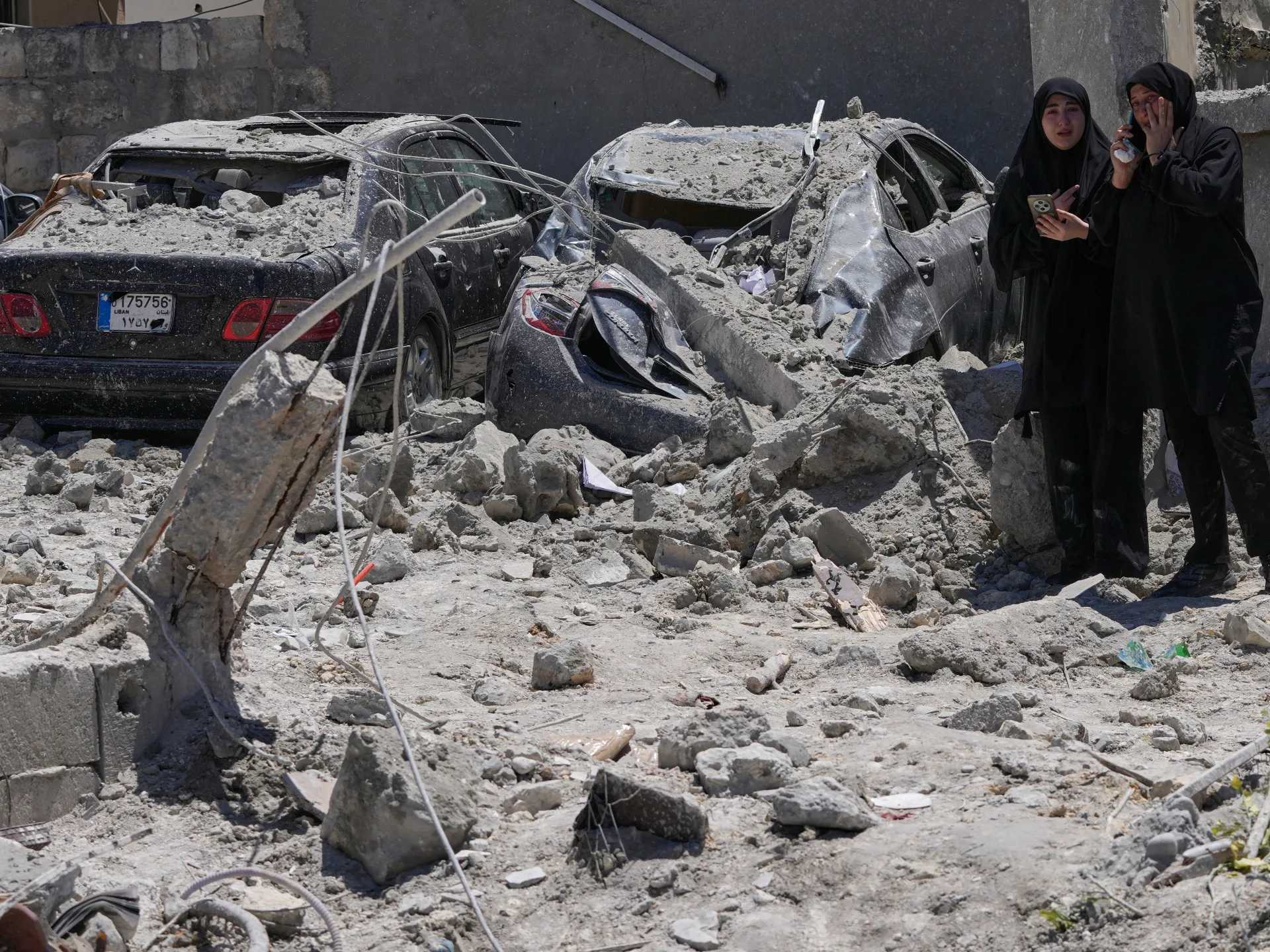
The conflict has exacted a severe human toll. According to data released by the Lebanese Ministry of Public Health on Saturday, the period since March 2 has seen 4,303 fatalities and 12,202 injuries. The scale of displacement and destruction has necessitated urgent humanitarian efforts.
Social Affairs Minister Haneen Sayed, during a visit to heavily damaged areas in southern Lebanon, including the city of Nabatieh, detailed government plans to assist affected populations. These plans encompass providing 'prefabricated houses and rent assistance payments' to facilitate the return of residents to their homes or relocation to nearby areas. Sayed also reported that approximately 400,000 displaced individuals have already returned to their communities in southern Lebanon.
Despite these efforts and the diplomatic initiatives, hostilities have persisted. The country's National News Agency (NNA) reported on Saturday that an Israeli Apache helicopter fired five missiles into the town of Majdal Zoun. In a separate incident, the NNA documented one injury resulting from an Israeli strike on the village of al-Mansouri.
Israeli Military Operations
The Israeli military later issued a statement on Saturday, asserting that its forces had eliminated an armed fighter within the 'security zone' in southern Lebanon, where Israeli troops are stationed. The statement detailed that 'IDF soldiers identified an armed terrorist operating inside the Security Zone, in the Majdal Zoun area in southern Lebanon'. It further clarified that troops 'opened fire at the terrorist' and, following extensive searches, subsequently 'eliminated' him. These ongoing military engagements underscore the volatile nature of the region despite diplomatic attempts to de-escalate the conflict.
Source: Original Article
Related Articles
 world
world
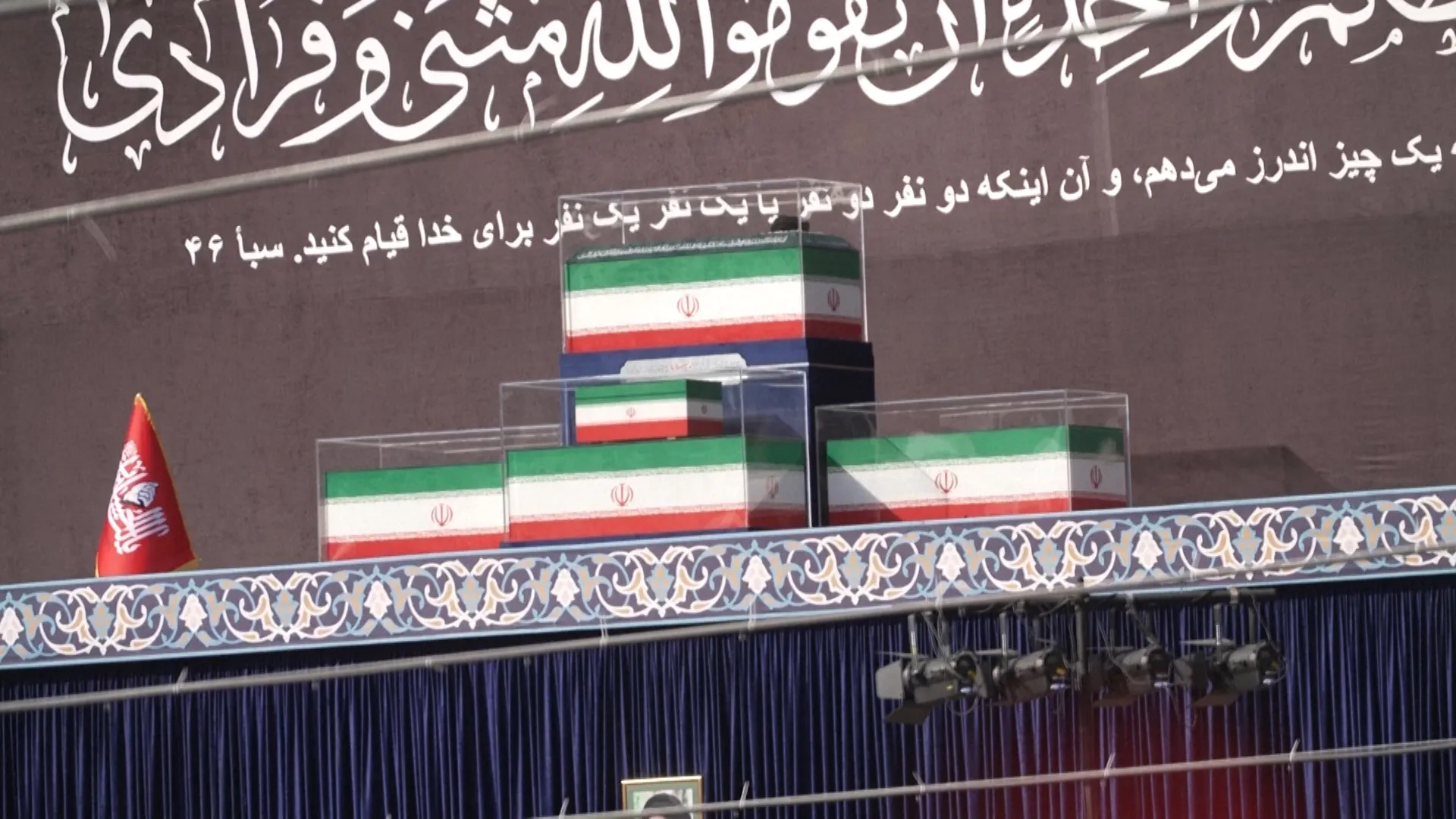
Iranians Brave Extreme Heat for Second Day of Supreme Leader's Funeral Rites
 world
world
Shifting Global Dynamics: The End of Unrivalled US Dominance
 world
world
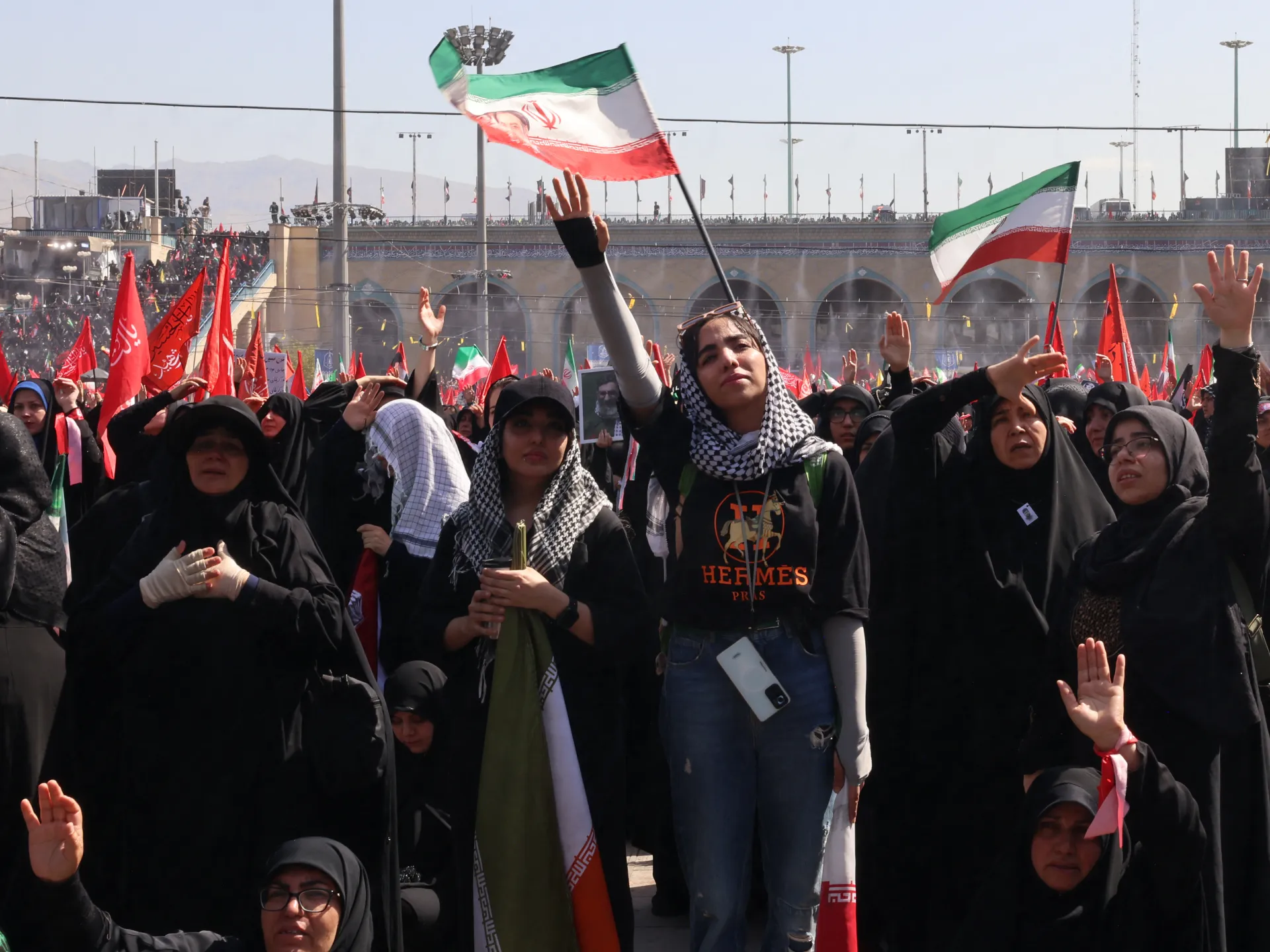
Vast Crowds Gather for Late Iranian Leader's Funeral Amidst International Tensions
 world
world