
The Evolving Global Landscape
For decades following World War II, the United States maintained a position of unparalleled influence on the global stage. This period, often characterized by its unipolar nature, saw American economic, military, and cultural power largely unchallenged. However, this era of singular dominance is now reportedly concluding, giving way to a more multifaceted international system. The emergence of new economic and political powerhouses, particularly China, is fundamentally altering the traditional power structures that have defined global affairs for over 70 years.
This shift represents a significant recalibration of international relations, moving from a system heavily centered on one nation to one where multiple influential actors play increasingly prominent roles. Such transitions are not merely academic discussions but have tangible implications for global trade, security alliances, and the resolution of international conflicts.
The Rise of New Power Centers
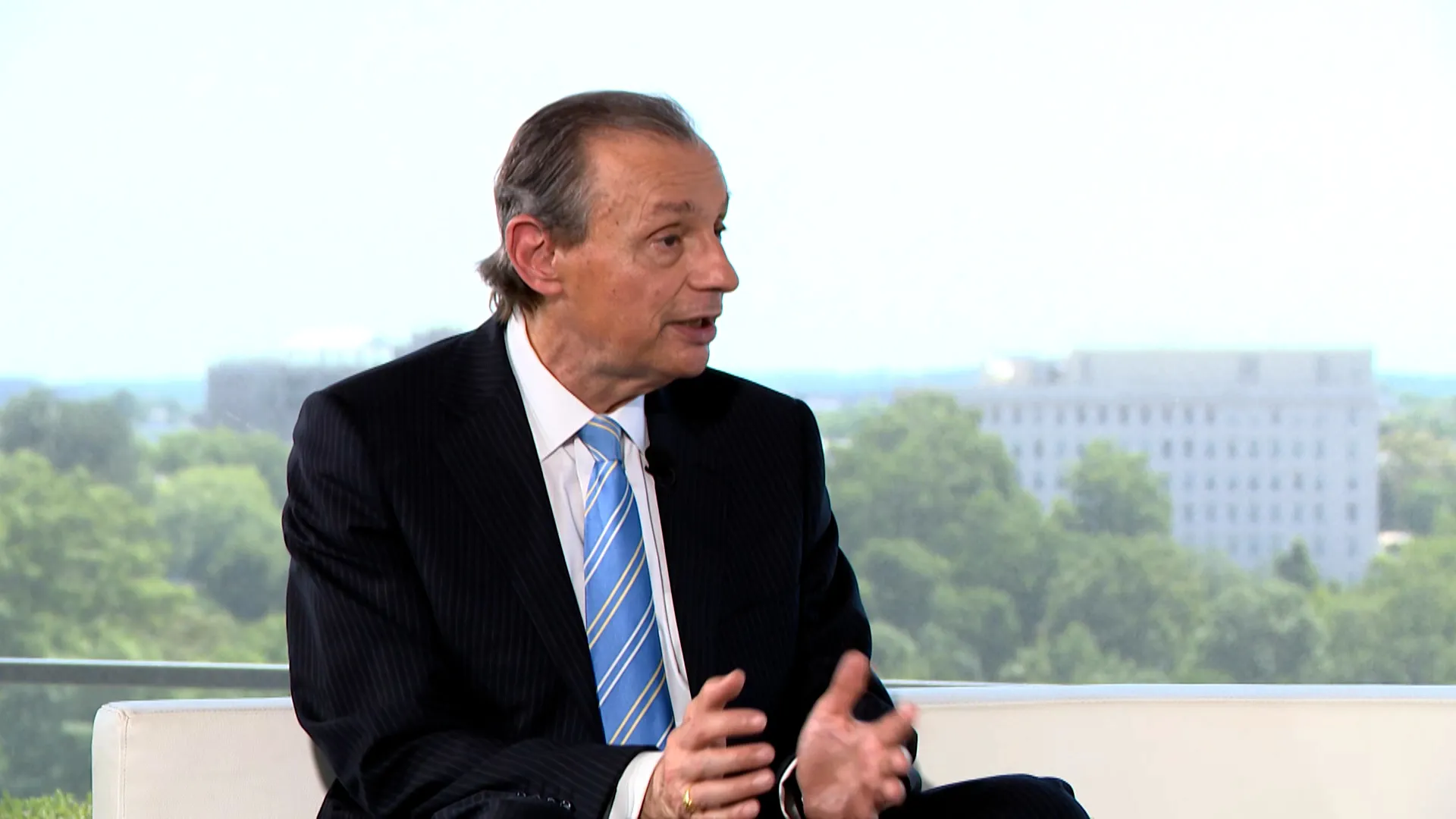
Paolo von Schirach, president of the Global Policy Institute, has articulated that the post-World War II period of unrivaled US dominance has reached its end. His analysis points to the significant growth and assertiveness of nations like China, alongside other developing economies, as primary drivers of this transformation. These emerging powers are not only expanding their economic footprints but are also increasingly asserting their political and military influence on a global scale.
China, in particular, has demonstrated remarkable economic growth over the past few decades, becoming the world's second-largest economy and a major player in international trade and finance. This economic might has been accompanied by a modernization of its military and a more proactive foreign policy, leading to its increased presence in various regions, including Africa, Latin America, and Southeast Asia. The Belt and Road Initiative, for instance, exemplifies China's ambition to foster global connectivity and economic integration under its leadership, challenging existing frameworks of international development and infrastructure.
Implications for International Relations
The transition from a unipolar to a more multipolar world carries profound implications for international relations. One key area of impact is global governance. Institutions established in the post-war era, such as the United Nations, the World Bank, and the International Monetary Fund, were largely shaped by Western powers, with the US playing a pivotal role. As new powers rise, there is increasing pressure for these institutions to reflect the new global realities, potentially leading to reforms that grant greater representation and decision-making power to emerging economies.
Security dynamics are also undergoing significant changes. The proliferation of advanced military technologies and the development of regional security alliances outside of traditional Western frameworks indicate a more complex security environment. Nations are increasingly seeking to balance their interests between established powers and rising ones, leading to more nuanced diplomatic strategies and, at times, increased geopolitical competition.
Economic Realignments and Trade
Economically, the shift is evident in global trade patterns and supply chains. While the US remains a major economic force, its share of global manufacturing and trade has seen relative decline compared to the rapid growth in Asia and other emerging markets. This has led to discussions about economic decoupling, diversification of supply chains, and the formation of new trade blocs that do not exclusively center on Western economies. The pursuit of regional trade agreements and the strengthening of South-South cooperation are indicative of efforts by emerging economies to create economic pathways that align with their own development goals and reduce dependence on traditional economic powers.
Furthermore, the rise of new financial centers and the increasing use of non-dollar currencies in international transactions suggest a gradual erosion of the dollar's unchallenged status as the world's primary reserve currency. While the dollar's dominance is not expected to end abruptly, these trends point towards a more diversified global financial system.
A New Era of Engagement
The evolving global order necessitates a re-evaluation of foreign policy strategies for all nations. For the United States, this may involve adapting to a role within a concert of powers rather than as the sole hegemon. For rising powers, it means navigating the responsibilities that come with increased influence and contributing to global stability and prosperity. The international community as a whole faces the challenge of managing this transition peacefully, fostering cooperation on shared global issues such as climate change, pandemics, and economic stability, while also addressing potential points of friction and competition.
Ultimately, the narrative suggests a move towards a more distributed global power structure, where multiple states possess significant influence across various domains. This complex and dynamic environment will likely define international relations for the foreseeable future, demanding flexible diplomacy, strategic partnerships, and a collective commitment to addressing shared global challenges.
Source: Al Jazeera
Related Articles
 world
world
Lebanese President Appeals to US for Continued Support Amidst Regional Tensions
 world
world
Iranians Brave Extreme Heat for Second Day of Supreme Leader's Funeral Rites
 world
world
Vast Crowds Gather for Late Iranian Leader's Funeral Amidst International Tensions
 world
world