
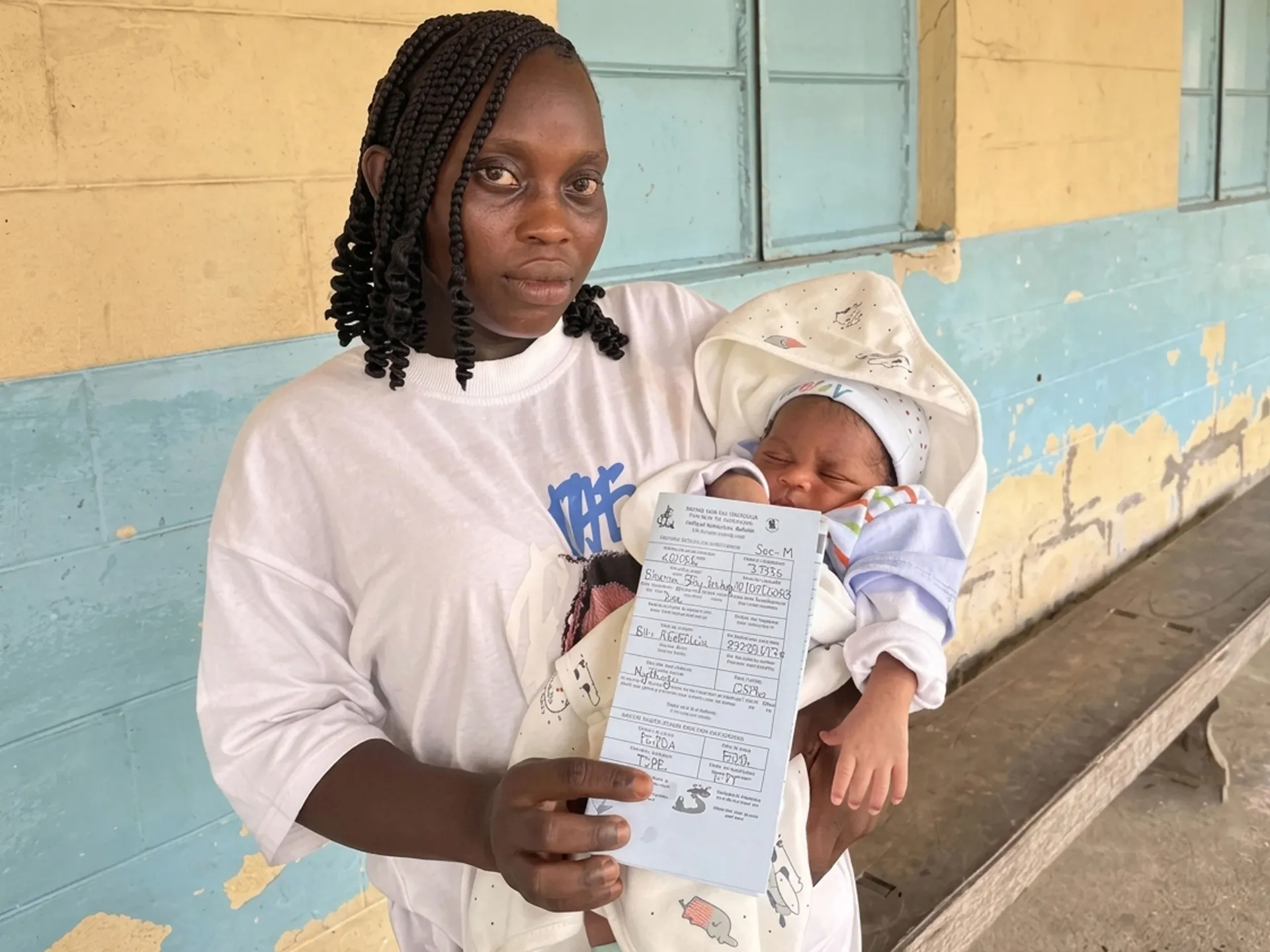
Cameroon’s Initiative to Improve Birth Registration
Efforts to enhance birth registration in Cameroon have made significant progress, although numerous children remain undocumented. The initiative, supported by UNICEF in collaboration with the Cameroonian government, seeks to close this vital gap in child protection.
Challenges in Birth Registration
Under Cameroon's civil status law, parents are required to register their child's birth within 90 days without any fees. However, after this period, the process becomes more complicated, and after a year, it involves costly court procedures. This has been a barrier for many families.
Aissatou Bouba, a mother from Garoua 2, faced issues when her older child was sent home from school due to lack of official papers. However, in 2024, she successfully registered her youngest child at a local health facility immediately after birth.
Current Status and Consequences
According to the Ministry of Basic Education, over 1.5 million children in Cameroon, about 30% of primary school students, are enrolled without birth certificates. Without proper documentation, these children face challenges in accessing further education and other services.
Anna Enanga epse Itoe, head of the civil status bureau at the Tiko Council, noted that a lack of a birth certificate prohibits children from entering secondary education and sitting for public exams. Additionally, it hinders obtaining a national identity card.
Advancements and Responses
UNICEF reported that only 43.77% of the 560,000 births in health facilities in 2023 were officially registered. Children without documentation are more vulnerable to exploitation, especially in conflict zones.
The first Mayors’ Forum on Birth Registration in April 2024 marked a pivotal step, with local authorities committing to strengthen civil registration systems. The "My Name" campaign launched thereafter has registered over 17,000 children.
Local Efforts in Birth Registration
In Tiko, officials have brought registration services closer to communities, working with traditional leaders to collect birth declarations. This initiative has seen thousands of children receiving their birth certificates.
In Garoua 2, the transition to digital civil status systems has streamlined the process, allowing for swift issuance of birth certificates.
Persistent Challenges
Despite progress, challenges remain. Many parents engage with the registration system only when faced with educational barriers for their children. Schools often become the first point of enforcement, denying undocumented pupils access to assessments.
Cultural norms in some rural areas also hinder progress, with beliefs that girls do not need formal documentation persisting. This contributes to risks such as early marriage.
Broader Impact and Future Prospects
Globally, UNICEF estimates that 166 million children under five are unregistered. In Cameroon, addressing this issue requires both administrative reform and a shift in societal perceptions regarding a child's legal identity.
Efforts continue to engage traditional and religious leaders in campaigns to change these perceptions and promote early registration of births.
As Bouba expressed, ensuring her son's education was unhindered was a significant relief, highlighting the importance of these initiatives.
Source: Original Article
Related Articles
 world
world
Lebanese President Appeals to US for Continued Support Amidst Regional Tensions
 world
world
Iranians Brave Extreme Heat for Second Day of Supreme Leader's Funeral Rites
 world
world
Shifting Global Dynamics: The End of Unrivalled US Dominance
 world
world