
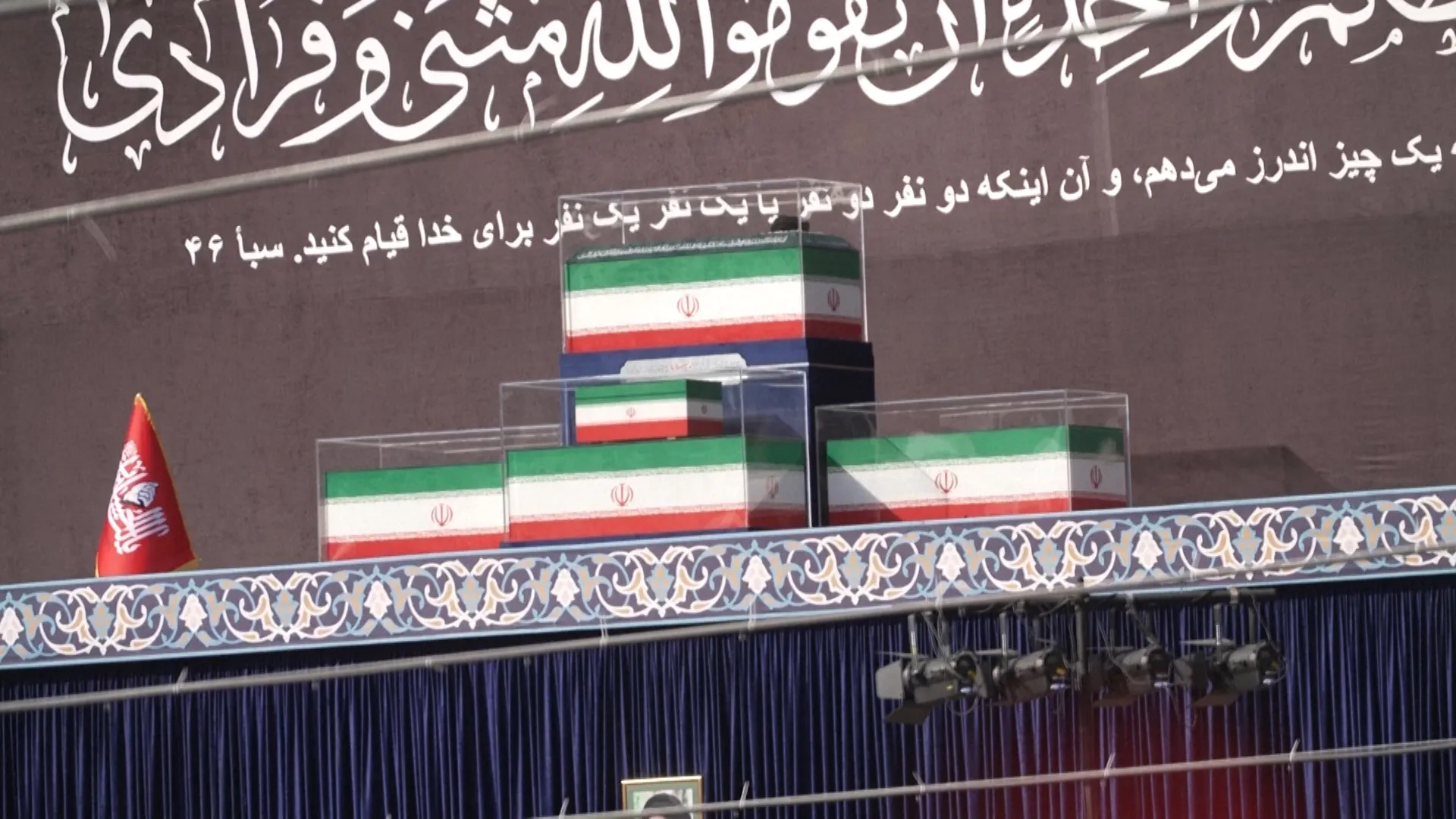
Widespread Mourning Amidst Challenging Conditions
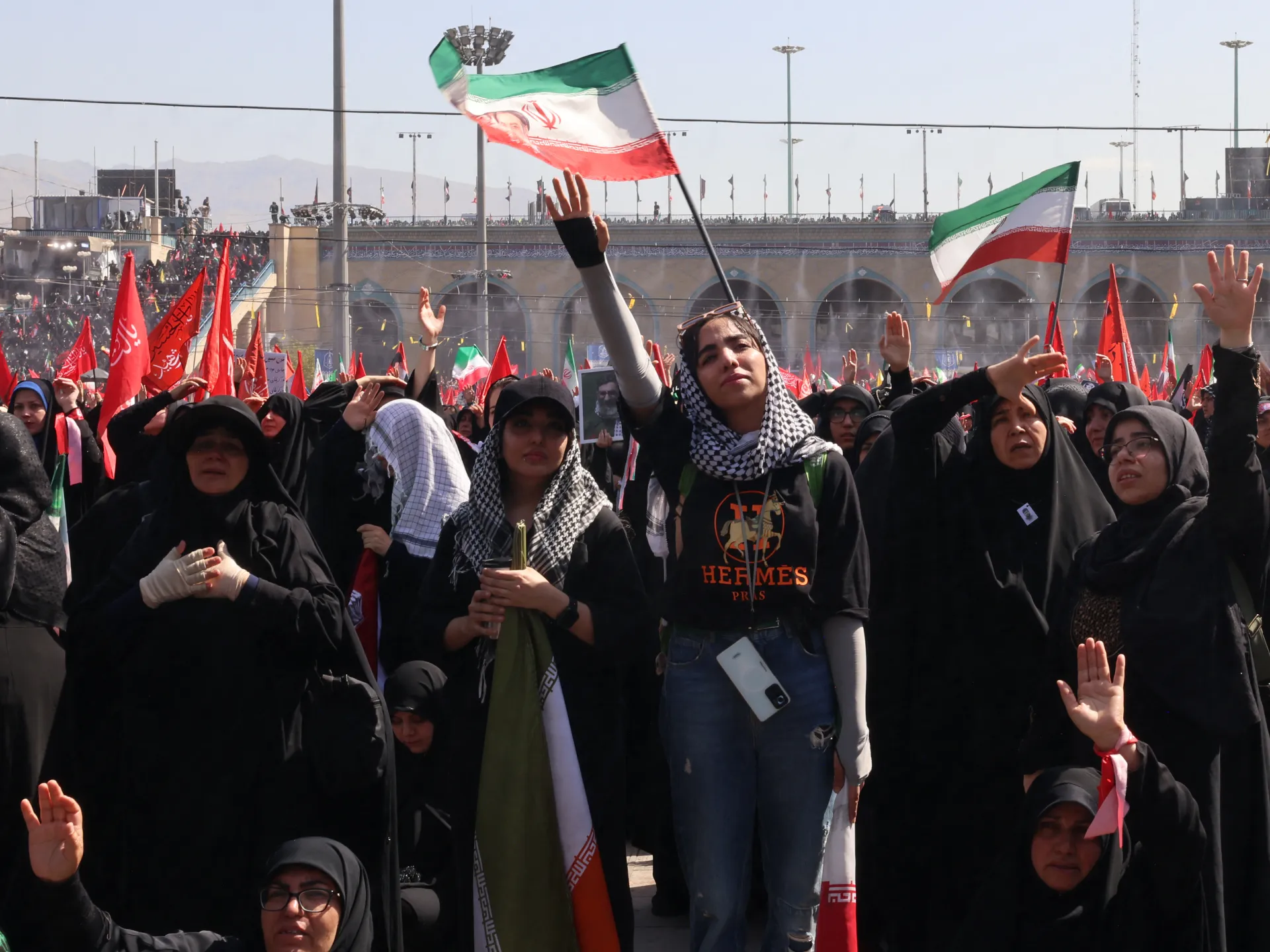
The Islamic Republic of Iran has observed the second day of funeral processions for its recently deceased Supreme Leader, Ali Khamenei. Thousands of mourners, comprising a broad spectrum of the Iranian populace, converged in the capital city of Tehran to pay their final respects. These ceremonies unfolded under exceptionally arduous environmental circumstances, as the region experienced a significant heatwave, pushing temperatures to uncomfortable extremes.
The public outpouring of grief and respect was concentrated at Tehran's Grand Mosalla Hall, a prominent venue chosen to accommodate the vast numbers of individuals wishing to participate. The scale of attendance underscored the deep reverence many Iranians held for the former leader, whose tenure profoundly shaped the nation's political and social landscape. The decision by many to brave the intense heat reflects a strong sense of national unity and personal devotion, particularly among his staunch supporters.
Logistical Efforts to Mitigate Heat Impact
Recognizing the severity of the weather conditions, organizers implemented various measures to ensure the safety and comfort of attendees. Foremost among these were the installation of numerous water misting systems strategically placed throughout the Grand Mosalla Hall. These systems aimed to provide a degree of relief from the high temperatures, creating a more tolerable environment for those gathered.
In addition to the mechanical cooling systems, a substantial network of volunteers was mobilized. These individuals played a crucial role in distributing cold beverages to the multitude of mourners. The provision of chilled drinks was a practical and necessary step to combat dehydration and heat-related stress, allowing participants to remain engaged in the ceremonies for extended periods. These logistical efforts highlight the meticulous planning undertaken to manage such a large-scale public event under adverse weather.
Symbolism of Public Mourning
The continuation of large-scale public mourning into a second day, particularly given the environmental challenges, carries significant symbolic weight. It projects an image of national solidarity and unwavering commitment to the principles and leadership represented by the late Supreme Leader. For many, participation in these rites is a demonstration of religious piety and political loyalty, reinforcing collective identity.
The ceremonies also serve as a visible affirmation of the state's enduring influence and the deep roots of its leadership within society. In a country where public demonstrations of allegiance are often carefully observed, the sheer volume of attendees, despite the discomfort, sends a clear message regarding the widespread impact and legacy of Ali Khamenei. The collective act of mourning, therefore, transcends a mere funeral, becoming a powerful statement of national sentiment and continuity.
Historical Context and Future Implications
Ali Khamenei's long tenure as Supreme Leader, following the passing of Ayatollah Ruhollah Khomeini, saw Iran navigate numerous domestic and international challenges. His leadership was characterized by a steadfast adherence to revolutionary principles and a firm stance against perceived external pressures. The funeral proceedings, therefore, not only commemorate an individual but also reflect on a significant period in Iran's modern history.
The transition of leadership following the death of a Supreme Leader is a pivotal moment for Iran, often watched closely by both domestic and international observers. The orderly and well-attended funeral rites contribute to an image of stability and continuity during this crucial period. While the focus remains on honoring the past leader, these events inherently set the stage for the future direction of the country, emphasizing the enduring institutions and traditions that underpin the Islamic Republic.
The resilience shown by the Iranian public in attending these ceremonies under such taxing conditions underscores the profound cultural and religious significance of these rituals. It also speaks to the profound personal connection many felt to the Supreme Leader, extending beyond official duties to a more personal and spiritual devotion.
Source: Original Article
Related Articles
 world
world
Lebanese President Appeals to US for Continued Support Amidst Regional Tensions
 world
world
Shifting Global Dynamics: The End of Unrivalled US Dominance
 world
world
Vast Crowds Gather for Late Iranian Leader's Funeral Amidst International Tensions
 world
world