
Mass Mourning in Iran for Supreme Leader
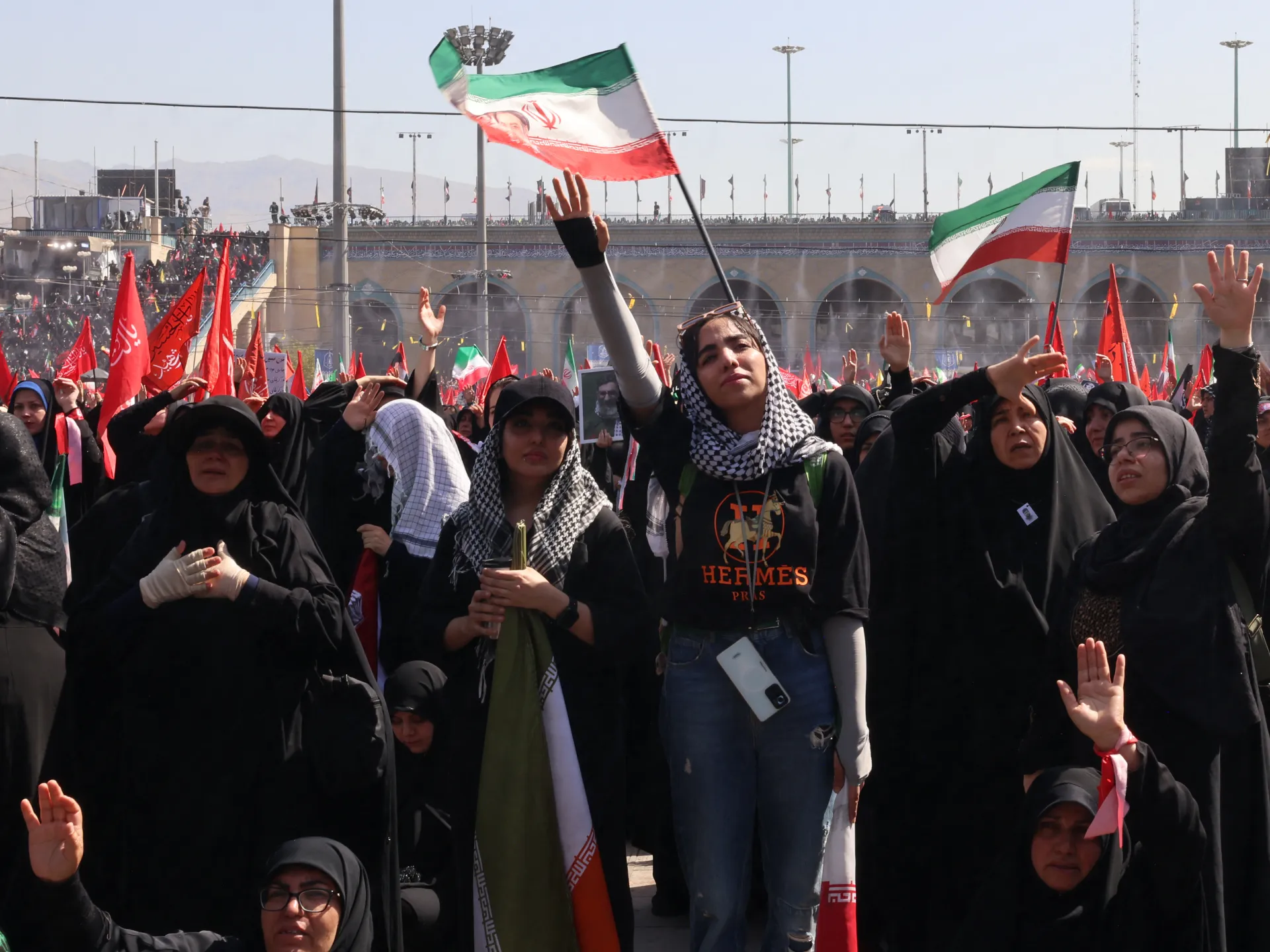
Millions of individuals have converged in Tehran to participate in the funeral prayers for Iran's recently deceased Supreme Leader, Ali Khamenei. The ceremonies, now in their second day, also commemorate four members of his family who perished alongside him. The deaths occurred in an airstrike on his compound on February 28, an incident attributed to a joint US-Israeli operation.
The sheer scale of the turnout underscores the profound impact of the leader's passing on the Iranian populace. Images from the capital depict vast throngs of people filling streets and squares, demonstrating a collective expression of grief and remembrance. Such large-scale public gatherings for national figures are a common feature in Iran, often serving as significant displays of national unity and popular sentiment.
International Diplomacy Continues Amidst Funeral
In the wake of these events, US President Donald Trump has issued a statement addressing the immediate period surrounding the funeral. He indicated that a mutual understanding has been reached, stating that "neither side will shoot the other during the funeral proceedings." This declaration suggests a temporary de-escalation in military activities, aiming to prevent further conflict during a period of national mourning in Iran.
Furthermore, President Trump confirmed that discussions with Iran are expected to resume subsequent to the conclusion of the funeral ceremonies. This suggests an ongoing diplomatic channel between the United States and Iran, even amidst heightened tensions following the airstrike. The nature and scope of these future talks remain unspecified, but their continuation signals a potential path for dialogue despite recent escalations.
The Context of the Airstrike
The incident that led to the deaths of Supreme Leader Khamenei and his family members has been a point of significant international focus. The airstrike on February 28, attributed to a combined US-Israeli effort, marked a critical escalation in the already complex relationship between Iran and these two nations. While details surrounding the specific motivations and targets of the strike are subject to ongoing analysis, its immediate consequence has been a profound period of national mourning in Iran and a renewed focus on diplomatic efforts to manage regional stability.
The timing and circumstances of the attack have fueled various interpretations regarding its strategic implications. Analysts are closely observing the reactions from various international actors and regional powers, as these responses could shape the future trajectory of geopolitical dynamics in the Middle East. The incident has undeniably intensified calls for restraint and careful diplomatic engagement to avert further destabilization.
The Role of the Supreme Leader in Iran
Ali Khamenei held the position of Supreme Leader since 1989, making him one of the longest-serving leaders in the modern history of Iran. In this capacity, he wielded ultimate authority over the country's political, religious, and military affairs. His influence permeated all aspects of Iranian society, and his pronouncements often set the course for national policy, both domestically and internationally.
The Supreme Leader's role is unique, combining spiritual leadership with executive power, making his passing an event of immense national and regional significance. The process of succession, while constitutionally defined, often involves intricate political maneuvering and can have profound implications for the country's future direction. The current period of mourning, therefore, is not only a tribute to a fallen leader but also a moment of introspection and anticipation regarding the nation's forthcoming leadership transition.
Regional Implications and Future Outlook
The events surrounding the death of Supreme Leader Khamenei and the subsequent funeral ceremonies are being closely monitored by nations across the globe. The Middle East, a region frequently characterized by intricate geopolitical rivalries and alliances, is particularly attuned to these developments. The potential for shifts in Iranian foreign policy, or even domestic power structures, could have ripple effects throughout the region.
The international community's emphasis on diplomacy and de-escalation during this sensitive period highlights the critical need for stability. The declared pause in hostilities during the funeral, coupled with the commitment to resume talks, underscores a shared, albeit fragile, interest in preventing a wider conflict. The coming weeks and months will likely be crucial in determining how these events reshape regional dynamics and international relations concerning Iran.
Source: Al Jazeera
Related Articles
 world
world
Lebanese President Appeals to US for Continued Support Amidst Regional Tensions
 world
world
Iranians Brave Extreme Heat for Second Day of Supreme Leader's Funeral Rites
 world
world
Shifting Global Dynamics: The End of Unrivalled US Dominance
 world
world