
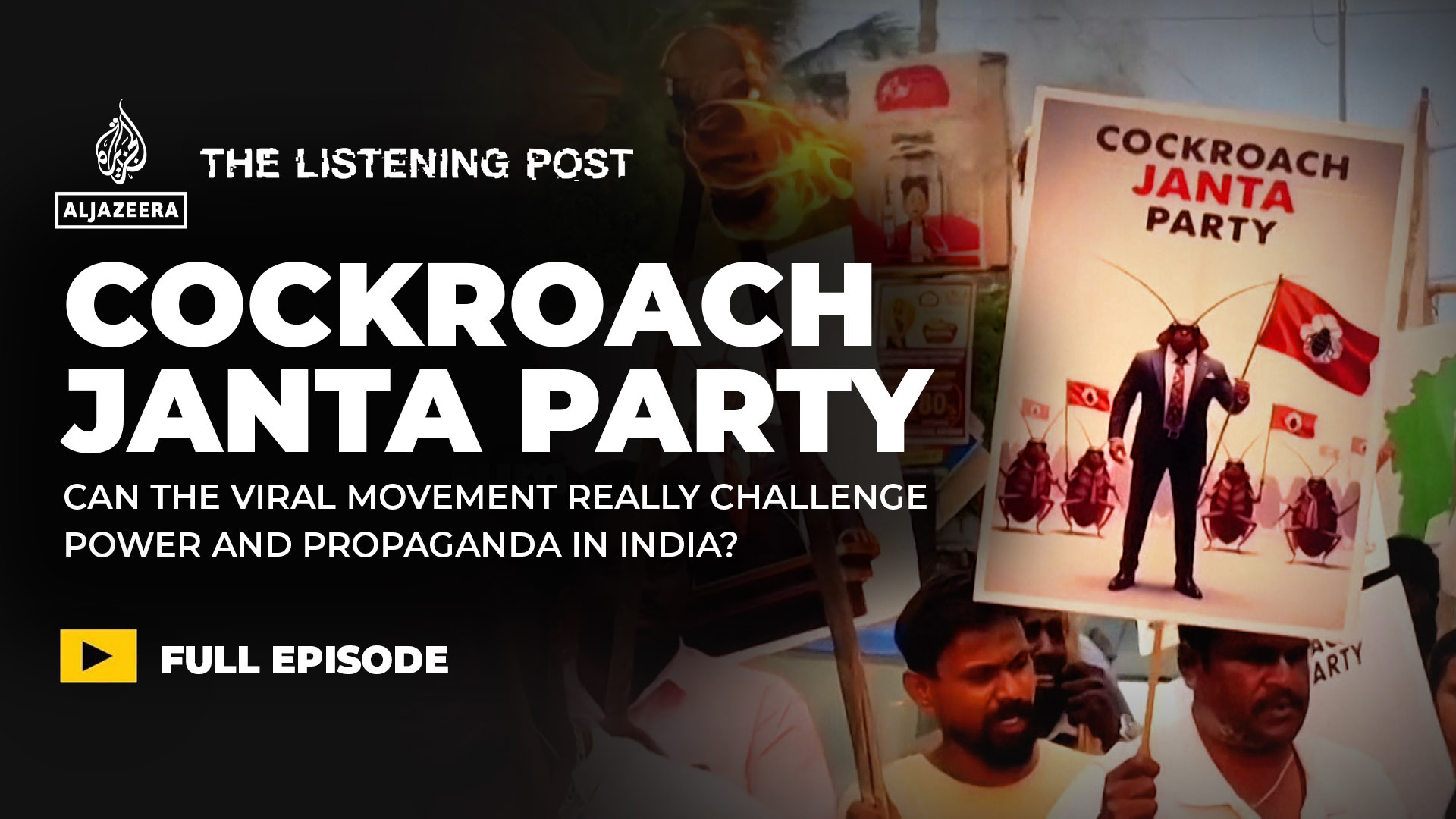
The Rise of Digital Dissent in India
In contemporary India, a significant shift is observable in how younger generations engage with political discourse and societal issues. A growing movement, primarily driven by Generation Z, is utilizing satirical content and social media platforms to scrutinize power structures and question official narratives. This digital phenomenon represents a novel form of civic engagement, distinct from traditional methods of protest or activism.
Satire as a Tool for Social Commentary
Historically, satire has served as a potent instrument for social and political commentary, offering a means to critique authority while often circumventing direct censorship. In the Indian context, this ancient art form is finding a new lease on life through digital channels. Young creators are crafting memes, short videos, and comedic sketches that subtly, yet effectively, highlight perceived inconsistencies, hypocrisies, or shortcomings in government policies and public discourse.
The ability of satire to present serious issues in an accessible and often humorous way allows it to resonate widely, particularly among an audience accustomed to consuming information in bite-sized, engaging formats.
Unlike overt criticism, which can sometimes be dismissed or suppressed, satirical content often operates in a grey area, making it more challenging for authorities to respond to directly. Its indirect nature can also foster a sense of shared understanding and solidarity among those who interpret its underlying messages.
Social Media: The New Public Square
The proliferation of social media platforms has been instrumental in enabling this movement. Platforms such as Instagram, X (formerly Twitter), and YouTube provide an expansive and instantaneous reach, allowing satirical content to go viral within hours. This widespread dissemination is crucial for a generation that largely communicates and consumes news through digital avenues.
For India's Gen Z, social media is not merely a communication tool but a vital space for identity formation, community building, and political expression. It offers an alternative to mainstream media, which some perceive as increasingly aligned with government interests or hesitant to publish critical perspectives. Through these digital spaces, young people are creating their own media ecosystems, where diverse viewpoints can be shared and debated, often with a critical lens.
Challenging Propaganda and Narratives
A core objective of this satirical movement is to deconstruct and challenge what its participants identify as government propaganda or biased media narratives. By recontextualizing official statements, reinterpreting political events, or exaggerating perceived flaws, these digital satirists aim to provoke critical thinking among their audience. They often highlight discrepancies between official rhetoric and lived realities, urging viewers to look beyond surface-level information.
This form of digital resistance is particularly significant in an environment where information control and the shaping of public opinion are considered critical. By injecting humor and skepticism, these online movements seek to disrupt the uncritical acceptance of information and encourage a more nuanced understanding of complex issues.
Implications for Indian Society and Politics
The emergence of this satirical online movement signifies a notable development in India's socio-political landscape. It underscores the growing political consciousness of younger generations and their willingness to engage with national issues using modern tools. While not always leading to immediate policy changes, such movements can influence public opinion, foster a culture of questioning, and keep critical discourse alive.
The long-term impact of this trend remains to be seen, but it undoubtedly represents a dynamic and evolving form of civic participation. It highlights the power of digital platforms to empower individuals and groups to challenge established norms and contribute to a more vibrant, albeit often contentious, public sphere.
Source: Al Jazeera
Related Articles
 politics
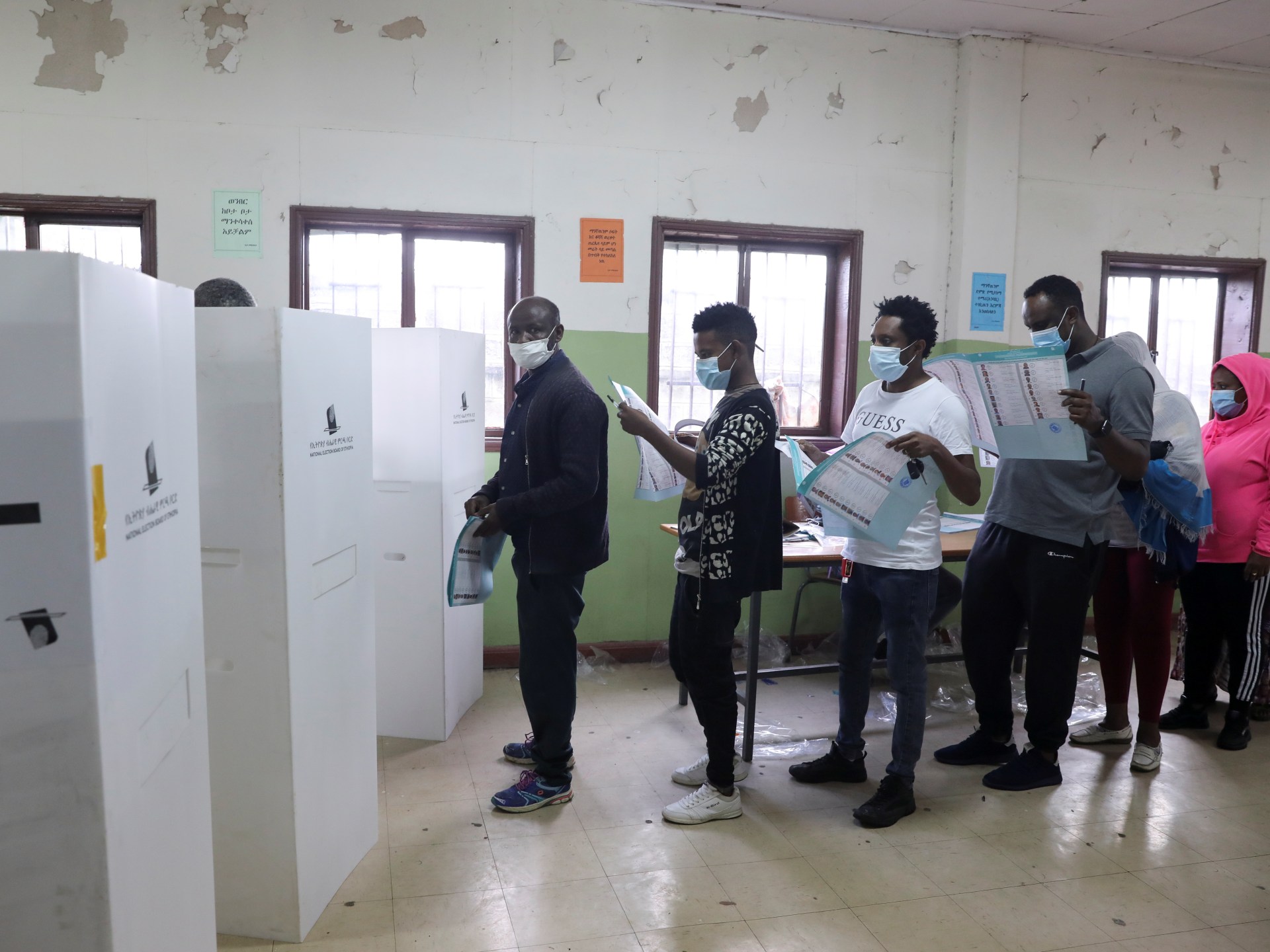
Ethiopia's Electoral Process: A Step Towards Democratic Consolidation Amidst Challenges
 politics
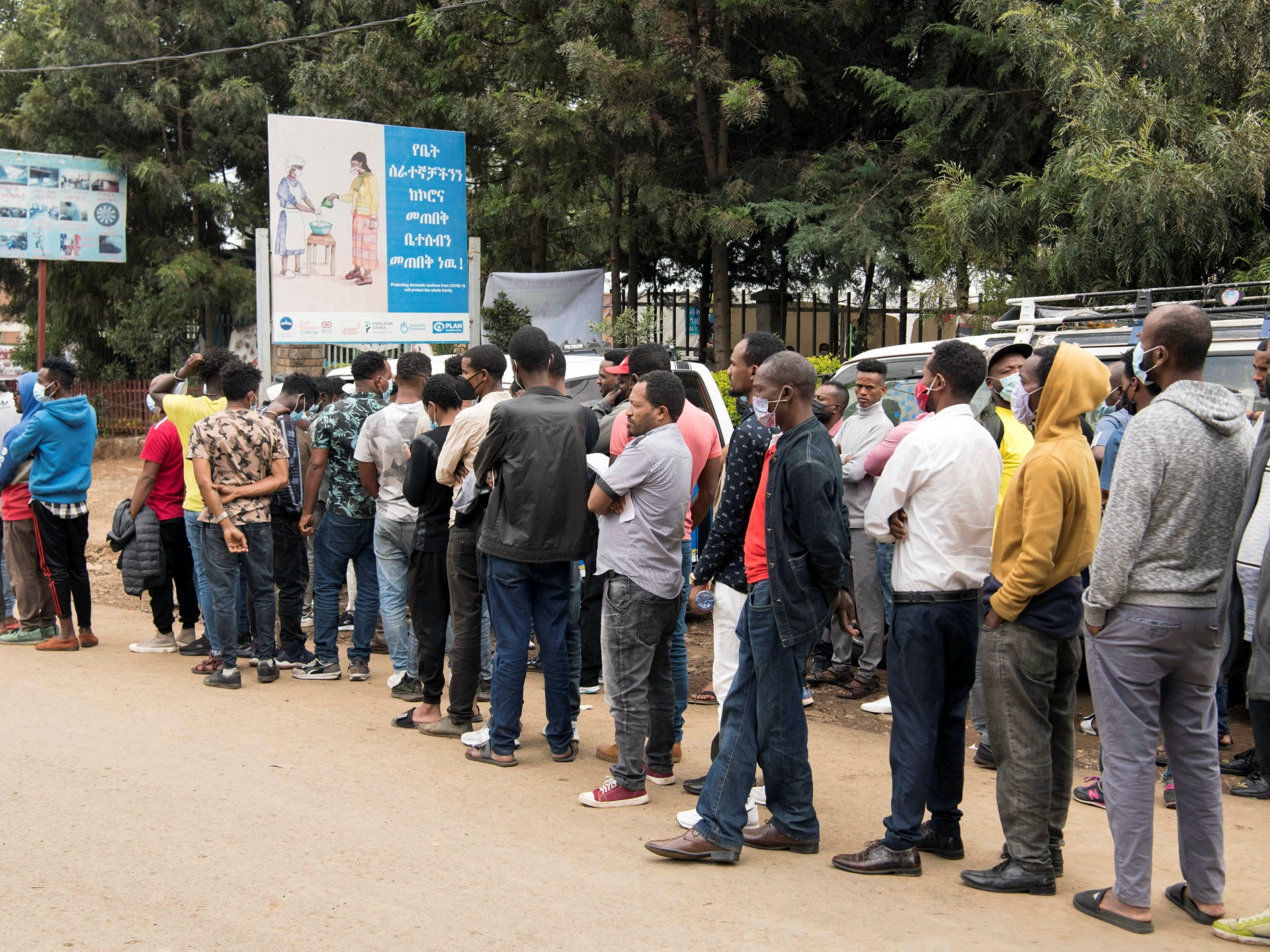
Ethiopia's Electoral Landscape Amidst Human Rights Concerns
 politics
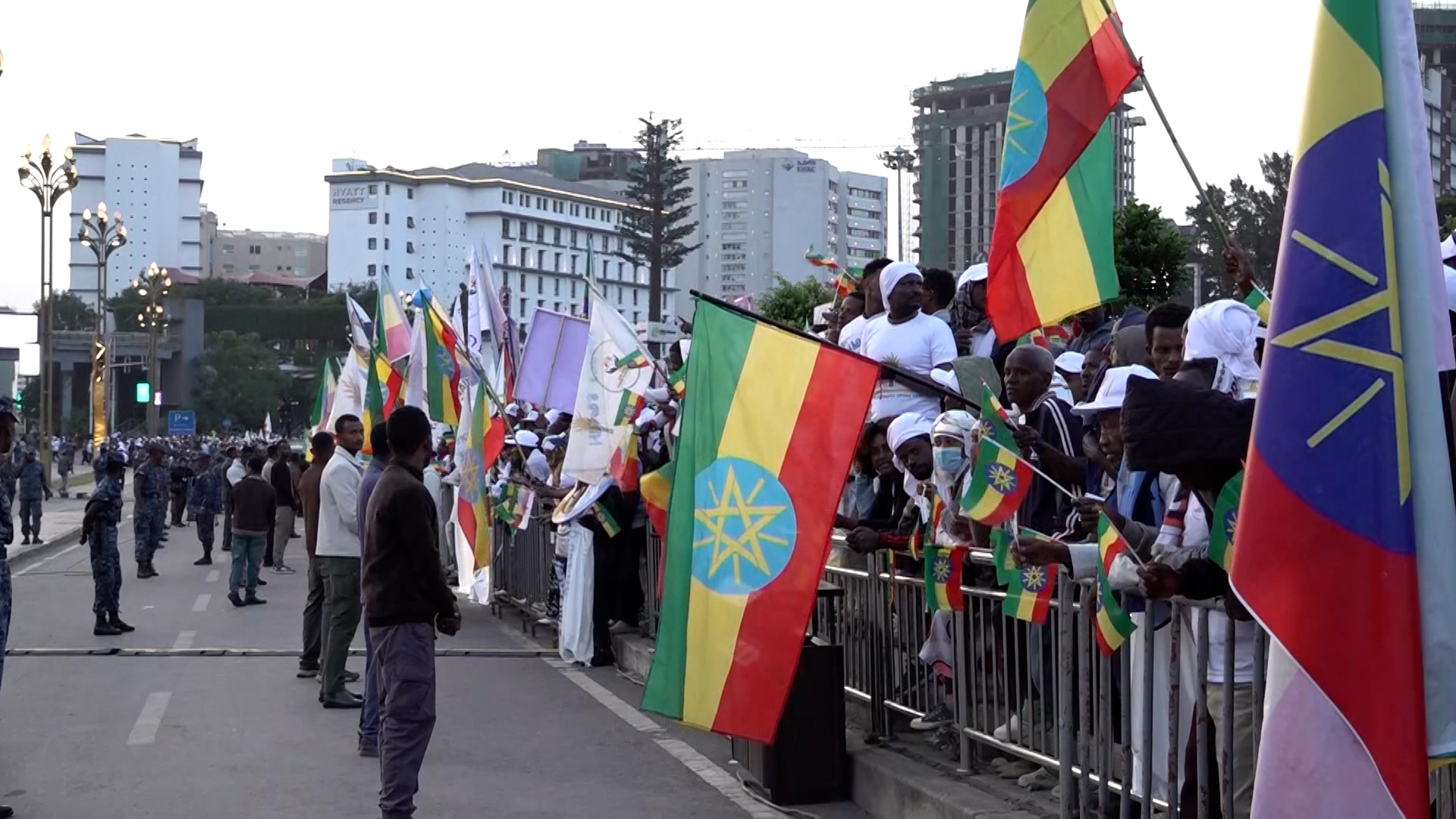
Ethiopia Prepares for General Elections Post-Tigray Peace Accord
 politics