
Introduction to the Diplomatic Landscape
In a significant development on the international stage, representatives from the United States and Iran have converged in Switzerland for a series of pivotal negotiations. These high-stakes discussions are primarily focused on reinforcing an existing Memorandum of Understanding (MOU) framework, a critical step in managing the intricate relationship between the two nations. The current round of talks is being closely watched by the global community, as their outcome could have far-reaching implications for regional stability and international relations.
The path to these negotiations has been characterized by intense diplomatic efforts, which have been instrumental in maintaining the momentum of dialogue despite persistent challenges. While the commitment to discussion remains evident, several key disputes continue to pose hurdles, underscoring the delicate nature of the current diplomatic environment. The Swiss venue provides a neutral ground, traditionally favored for sensitive international deliberations, offering an environment conducive to complex problem-solving.
Background of the Memorandum of Understanding
The Memorandum of Understanding framework that is currently the subject of these discussions represents a foundational agreement intended to delineate parameters for interaction and cooperation, or at least coexistence, between the US and Iran. Such frameworks are often established to prevent misunderstandings, de-escalate tensions, and provide a basis for future diplomatic engagement. The specific details of this particular MOU, while not fully public, are understood to address areas of mutual concern or contention that have historically strained relations.
Previous attempts to solidify or expand upon this framework have encountered various obstacles, reflecting the deep-seated historical and geopolitical factors at play. Both nations have expressed, at different times, a desire for a more predictable and stable relationship, yet the practical implementation of such a vision remains fraught with complexity. The current talks are therefore seen as a crucial opportunity to breathe new life into the existing understanding and potentially pave the way for more comprehensive agreements.
Challenges and Unresolved Issues
Despite the sustained diplomatic engagement, a number of significant disputes remain unresolved, casting a shadow over the potential for a swift resolution. These issues are multifaceted, encompassing a range of geopolitical, security, and economic concerns that have long defined the US-Iran dynamic. Analysts suggest that the core disagreements touch upon regional influence, nuclear ambitions, and sanctions, among other sensitive topics.
The persistence of these unresolved matters highlights the inherent difficulties in reconciling the divergent interests and perspectives of the two countries. Each side approaches the negotiating table with its own set of priorities and red lines, making consensus-building a painstaking process. The challenge for negotiators is to identify areas of potential compromise without undermining their respective national interests, a task that demands considerable skill and strategic foresight.
The Role of Diplomatic Engagement
The ongoing negotiations in Switzerland underscore the critical importance of sustained diplomatic engagement, even in the face of significant political and ideological differences. Diplomacy serves as the primary mechanism for managing international disputes, offering a pathway to peaceful resolution and conflict prevention. The fact that these talks are continuing, despite numerous setbacks and moments of heightened tension, speaks to a recognition on both sides that dialogue is preferable to escalation.
International mediators and host nations, such as Switzerland, play an invaluable role in facilitating these sensitive discussions. By providing a neutral and secure environment, they enable parties to engage in direct communication away from external pressures and media scrutiny. This allows for more candid exchanges and a greater focus on substantive issues, which is essential for making progress on complex agendas. The efforts of diplomats on the ground, often working behind the scenes, are crucial in navigating the intricate web of international relations and keeping the lines of communication open.
Potential Outcomes and Future Prospects
The current talks are widely regarded as 'make-or-break,' implying that their success or failure could significantly alter the trajectory of US-Iran relations for the foreseeable future. A positive outcome, even if incremental, could involve a reinforcement of the MOU framework, leading to increased stability and potentially opening doors for further dialogue on more contentious issues. This could include a commitment to specific confidence-building measures or a clearer understanding of each nation's operational boundaries.
Conversely, a failure to reach a meaningful agreement could lead to a renewed period of heightened tensions and uncertainty. Such an outcome might necessitate a re-evaluation of diplomatic strategies and could potentially exacerbate existing regional rivalries. The stakes are therefore exceptionally high, with both sides keenly aware of the implications of their decisions at the negotiating table. The international community will be watching closely for any indicators of progress, hoping that these critical discussions can lay the groundwork for a more stable and peaceful future between the two nations.
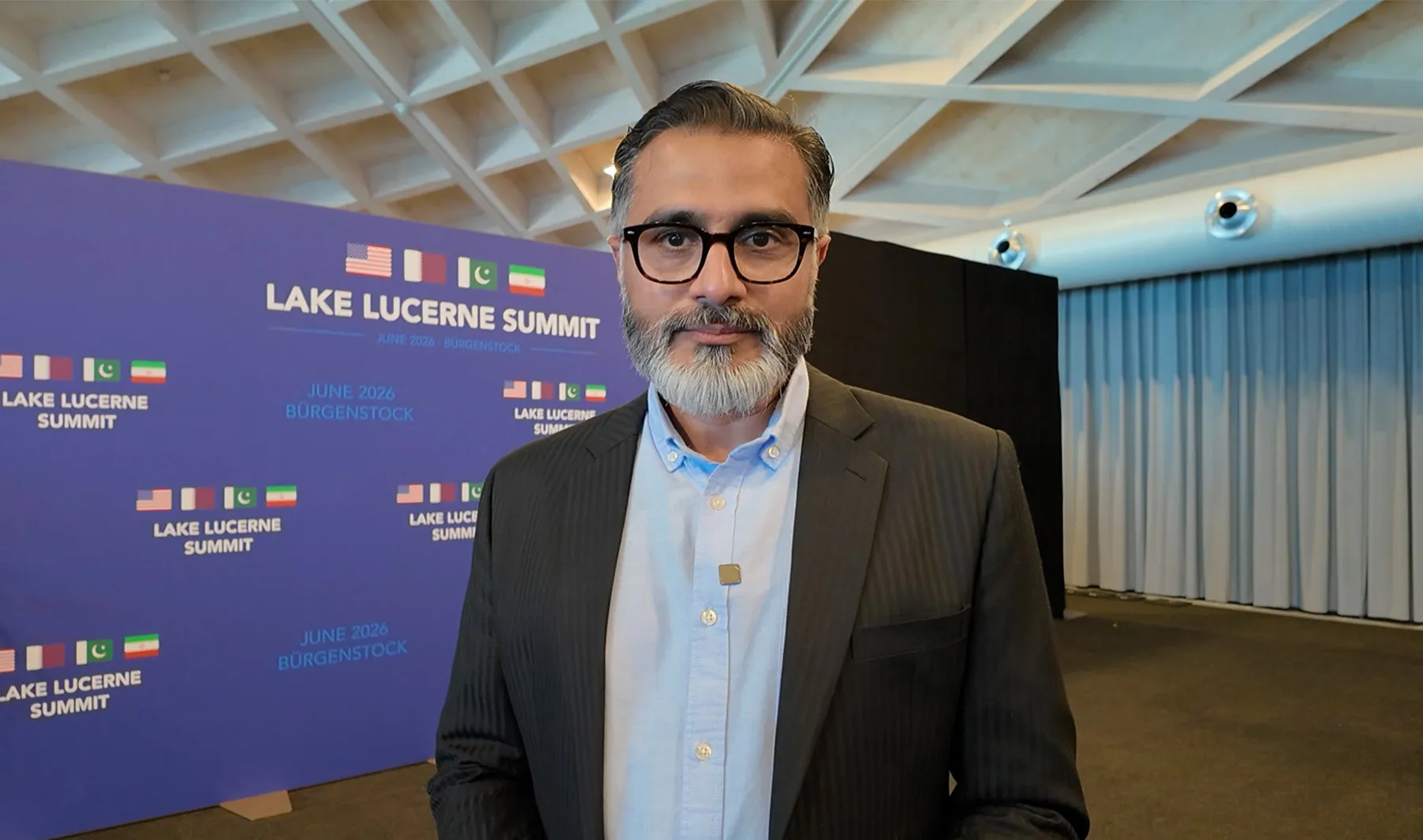
“Intense diplomatic efforts have kept negotiations on track, but key disputes remain unresolved,” noted Al Jazeera’s Osama Bin Javaid, highlighting the delicate balance inherent in these discussions.
Related Articles
 world
world
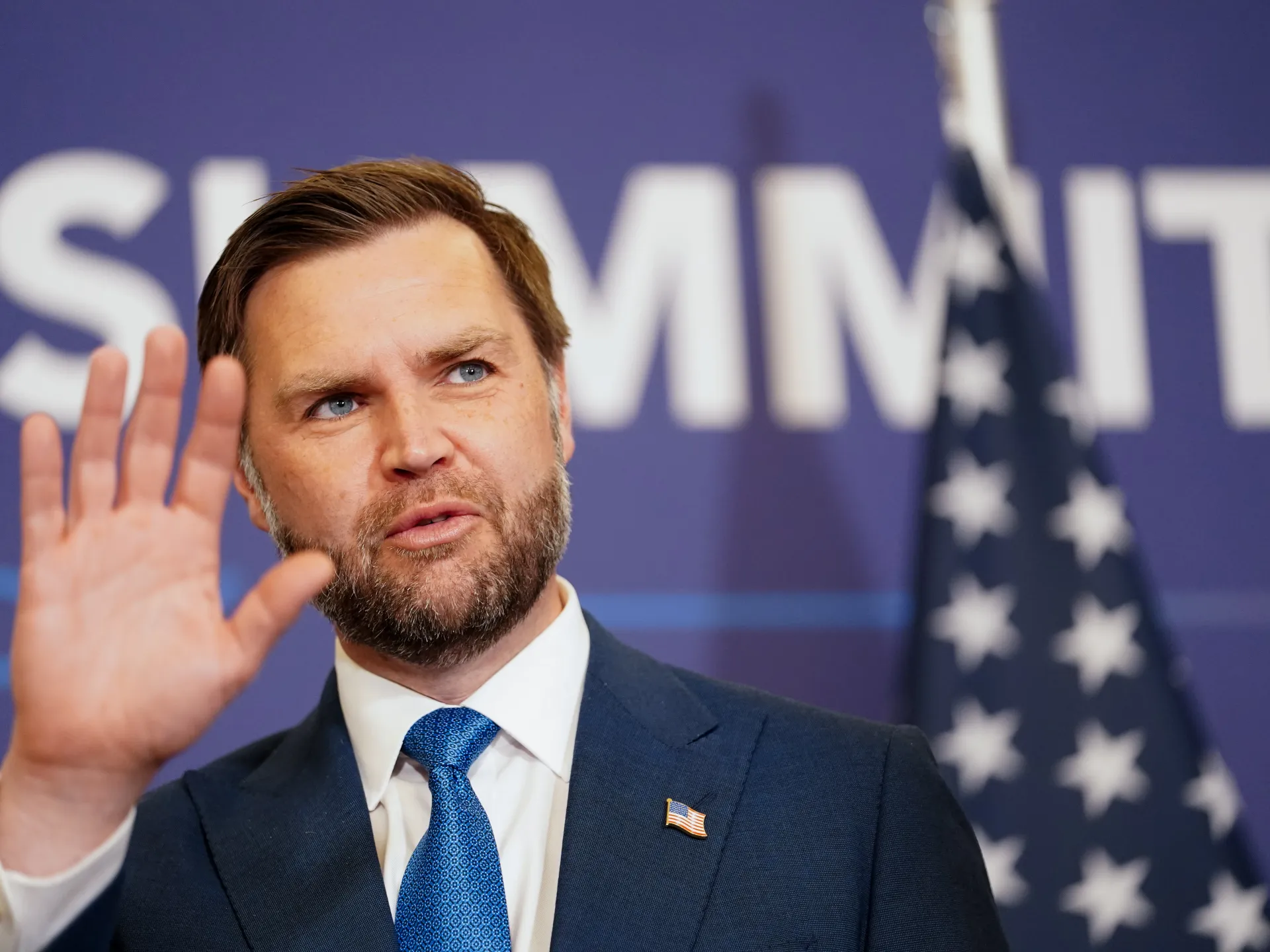
US Vice President Vance Arrives in Switzerland for Critical US-Iran Peace Negotiations Amid Regional Tensions
 world
world
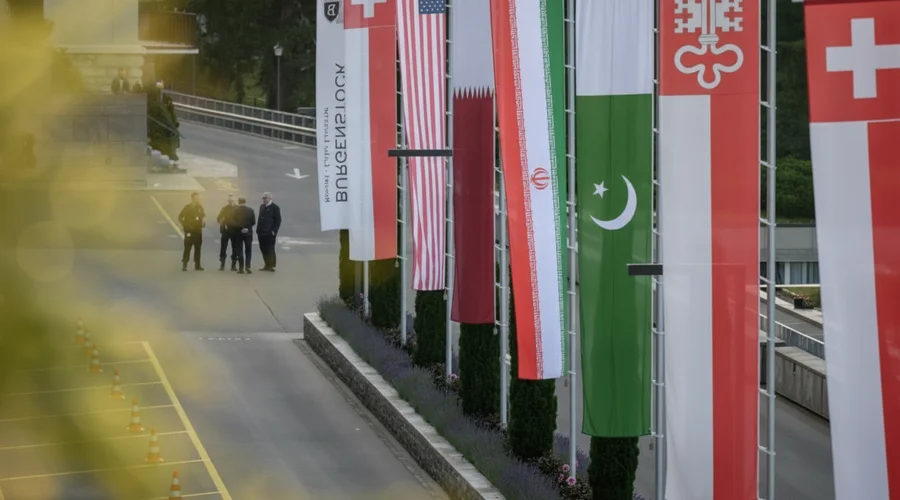
US and Iran Engage in High-Level Talks in Switzerland Amidst Regional Tensions
 world
world
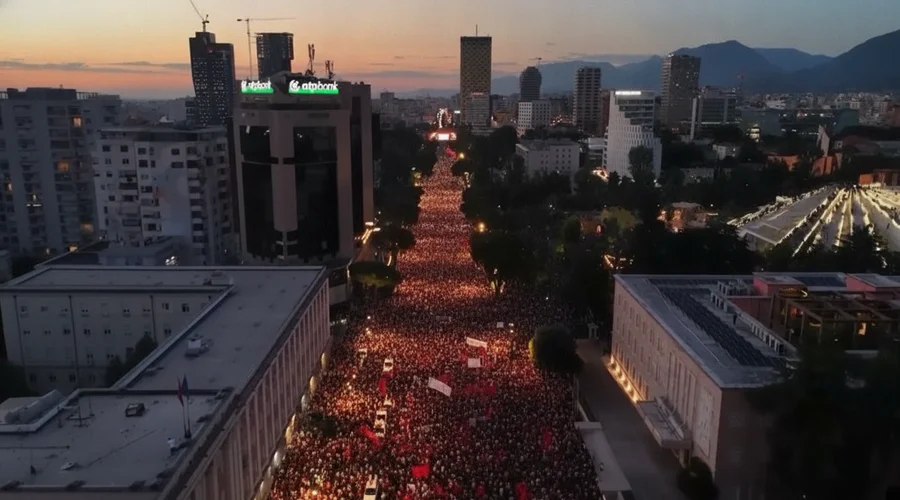
Mass Demonstrations Erupt in Albania Over Proposed Coastal Development
 world
world