
Introduction to Lebanon's Vulnerable Heritage
Lebanon, a nation rich in history and culture, possesses numerous archaeological sites and ancient monuments that bear witness to millennia of human civilization. These invaluable heritage sites, many of which hold international recognition, are currently facing significant threats. The ongoing regional tensions and sporadic military engagements have placed these irreplaceable cultural treasures in a precarious position, raising concerns among preservationists and international bodies.
The Significance of Tyre and Its Historical Landscape
Among the most prominent areas at risk is the city of Tyre, a coastal city in Southern Lebanon with an astonishing 5,000-year history. Tyre is not merely a modern urban center; it is a layered tapestry of ancient civilizations, having been a dominant Phoenician city, a Roman provincial capital, and a significant site through various historical epochs. Its strategic location and deep harbor made it a pivotal hub for trade and cultural exchange throughout antiquity.
The archaeological remains in Tyre are extensive and diverse, encompassing remnants from Phoenician, Roman, Byzantine, and Crusader periods. These include a vast necropolis, a monumental arch, an ancient hippodrome, and impressive public baths, all of which contribute to its status as a UNESCO World Heritage site. The sheer concentration of historical artifacts and structures within and around Tyre underscores its immense global importance. The preservation of Tyre is not just a Lebanese concern but a shared responsibility for humanity, as these sites offer crucial insights into the development of early urbanism, trade networks, and architectural advancements.
Recent Incidents and Their Impact on Heritage Sites
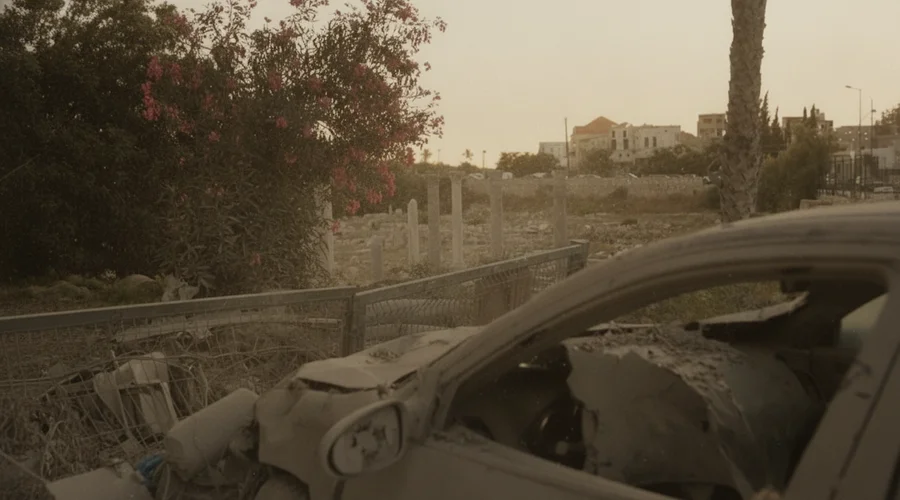
Recent reports have highlighted specific instances where military activities have impacted these historical locations. The Tyre Necropolis, for example, a sprawling ancient burial ground that provides invaluable information about funerary practices and social structures of past civilizations, has reportedly sustained damage. Such incidents are particularly alarming because even minor structural damage to ancient ruins can lead to accelerated degradation, making restoration efforts complex and costly, if not impossible.
The nature of the damage often involves direct impacts from projectiles, vibrations from nearby explosions, or collateral damage from military operations. These events not only threaten the physical integrity of the structures but also disrupt ongoing archaeological research and conservation initiatives. The loss of context or the destruction of unexcavated areas can lead to an irreversible loss of historical data, diminishing our understanding of these ancient cultures.
The Broader Context of Regional Instability
The vulnerability of Lebanon's heritage sites is inextricably linked to the broader geopolitical landscape of the region. The ongoing conflict dynamics, particularly the exchanges between Israel and Hezbollah, create an environment of persistent instability. Efforts to establish and enforce ceasefires have frequently faltered, leading to renewed hostilities that inevitably impact civilian infrastructure and cultural sites alike.
The lack of a durable peace agreement means that the threat to these monuments is not an isolated incident but a continuous risk. Each escalation of conflict brings with it the potential for further destruction. This situation places heritage professionals, local communities, and international organizations in a constant state of vigilance, attempting to monitor and protect sites amidst active conflict zones.
Challenges in Heritage Preservation During Conflict
Preserving cultural heritage in times of conflict presents a unique set of challenges. Access to sites can be restricted due to security concerns, making it difficult for archaeologists and conservators to assess damage, implement protective measures, or conduct necessary maintenance. Funding for preservation efforts also becomes scarcer as resources are diverted to humanitarian aid and reconstruction of essential services.
Moreover, the focus during conflict often shifts to immediate human needs, inadvertently sidelining the long-term importance of cultural heritage. While this is understandable, it underscores the need for proactive measures and international cooperation to safeguard these sites even before conflicts erupt or during periods of relative calm.
International Appeals and Future Outlook
International organizations, including UNESCO and various non-governmental organizations dedicated to cultural heritage protection, have repeatedly called for the protection of cultural sites during armed conflicts. These appeals emphasize the universal value of such sites and the need for all parties to respect international conventions that prohibit targeting cultural heritage.
The situation in Lebanon highlights the urgent need for robust international frameworks and diplomatic efforts to ensure that cultural heritage is not a casualty of conflict. As long as the regional tensions persist and ceasefires remain fragile, the ancient monuments of Lebanon, silent witnesses to millennia of human endeavor, will continue to face an uncertain future, their continued existence hinging on the hope for lasting peace and respect for shared human history.
Source: Al Jazeera
Related Articles
 world
world
US Vice President Vance Arrives in Switzerland for Critical US-Iran Peace Negotiations Amid Regional Tensions
 world
world
High-Stakes Diplomatic Efforts Underway Between US and Iran in Switzerland
 world
world
US and Iran Engage in High-Level Talks in Switzerland Amidst Regional Tensions
 world
world