
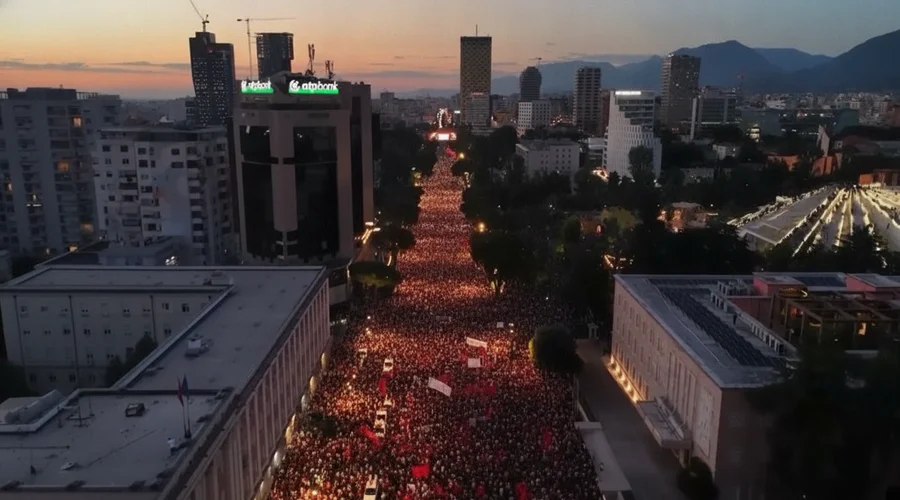
Widespread Opposition to Coastal Resort Project
Albania's southern coast has become the focal point of significant public discontent, as tens of thousands of citizens have converged for an extended period of demonstrations. These protests are directed against a proposed luxury resort development, a project that has drawn considerable attention due to its reported connections to Jared Kushner. The sustained public outcry underscores deep-seated concerns among the Albanian populace regarding the future of their coastline and national assets.
The Genesis of the Protests
The demonstrations, which have now spanned several weeks, reflect a growing opposition movement. Initially, smaller groups expressed their disapproval, but the movement has rapidly gained momentum, drawing in a diverse cross-section of Albanian society. Participants have voiced a range of grievances, from environmental impact worries to broader concerns about national sovereignty and economic transparency. The consistent presence of large crowds indicates a significant level of public engagement and a collective desire to influence the outcome of the proposed development.
The specific site in question is a picturesque stretch of Albania's southern coast, known for its pristine natural beauty and significant ecological value. Opponents of the project argue that constructing a large-scale luxury resort in this area would irrevocably alter the landscape, potentially damaging sensitive ecosystems and disrupting local communities. Environmental groups have been particularly vocal, highlighting the potential for habitat destruction, increased pollution, and strain on local resources.
Key Demands and Slogans
During the ongoing protests, demonstrators have employed powerful slogans and imagery to convey their message. Signs bearing phrases such as 'Albania is not for sale' have been prominently displayed, encapsulating the sentiment that national resources and public land should not be privatized for commercial interests, especially those linked to foreign developers. This slogan resonates with a broader narrative of safeguarding national heritage and ensuring that development benefits the wider Albanian population rather than a select few.
Beyond the specific development project, the protests have also evolved to include broader political demands. A significant number of demonstrators have chanted for the resignation of Prime Minister Edi Rama. This expansion of demands suggests that the resort project has become a catalyst for expressing wider dissatisfaction with the current administration's policies, governance, and approach to foreign investment. Critics of the government argue that the proposed development exemplifies a lack of transparency and a disregard for public opinion in major economic decisions.
The Role of Jared Kushner
The involvement of Jared Kushner, former senior advisor to President Donald Trump and son-in-law, has added an international dimension to the controversy. Reports linking Kushner to the luxury resort project have fueled public suspicion and intensified scrutiny. While details of his exact involvement remain a subject of discussion, the perception of a high-profile foreign investor being connected to the development has amplified concerns about potential undue influence and the equitable distribution of benefits from such projects. For many Albanians, the project symbolizes a broader issue of foreign entities acquiring valuable national assets, often under terms that are not fully transparent to the public.
Broader Implications and Future Outlook
The sustained nature and sheer scale of these protests present a significant challenge for the Albanian government. The administration faces the delicate task of balancing economic development aspirations with public sentiment and environmental protection. Ignoring such widespread public opposition could have considerable political ramifications, potentially eroding public trust and exacerbating social unrest.
The situation in Albania also reflects a global pattern where communities increasingly push back against large-scale development projects that they perceive as detrimental to their environment, culture, and long-term well-being. The protests serve as a powerful reminder of the importance of public consultation, environmental impact assessments, and transparent governance in the context of major infrastructure and tourism developments. As the demonstrations continue, all eyes remain on the Albanian government to see how it will respond to the demands of its citizens and navigate this complex issue.
Source: Original Article
Related Articles
 world
world
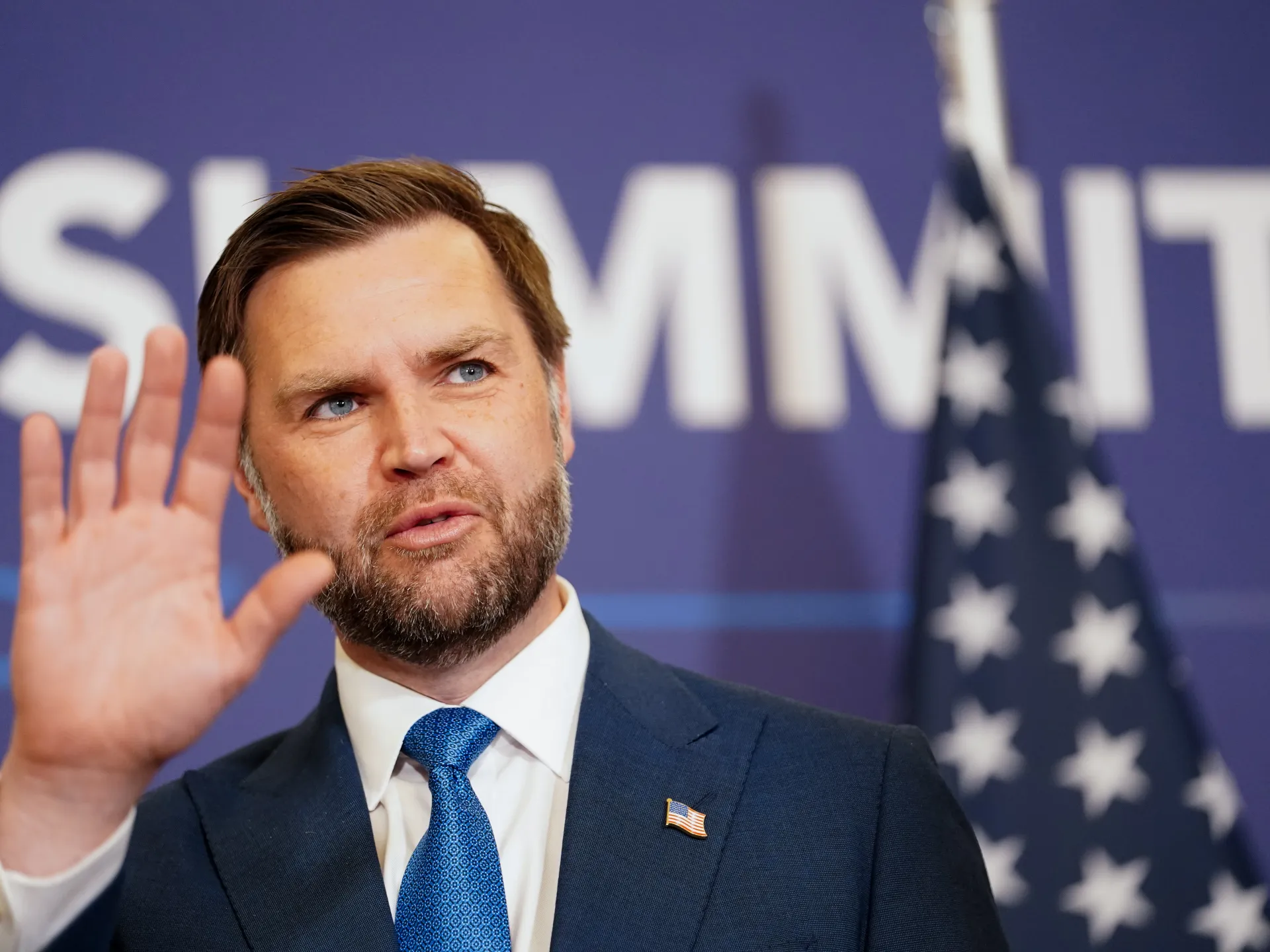
US Vice President Vance Arrives in Switzerland for Critical US-Iran Peace Negotiations Amid Regional Tensions
 world
world
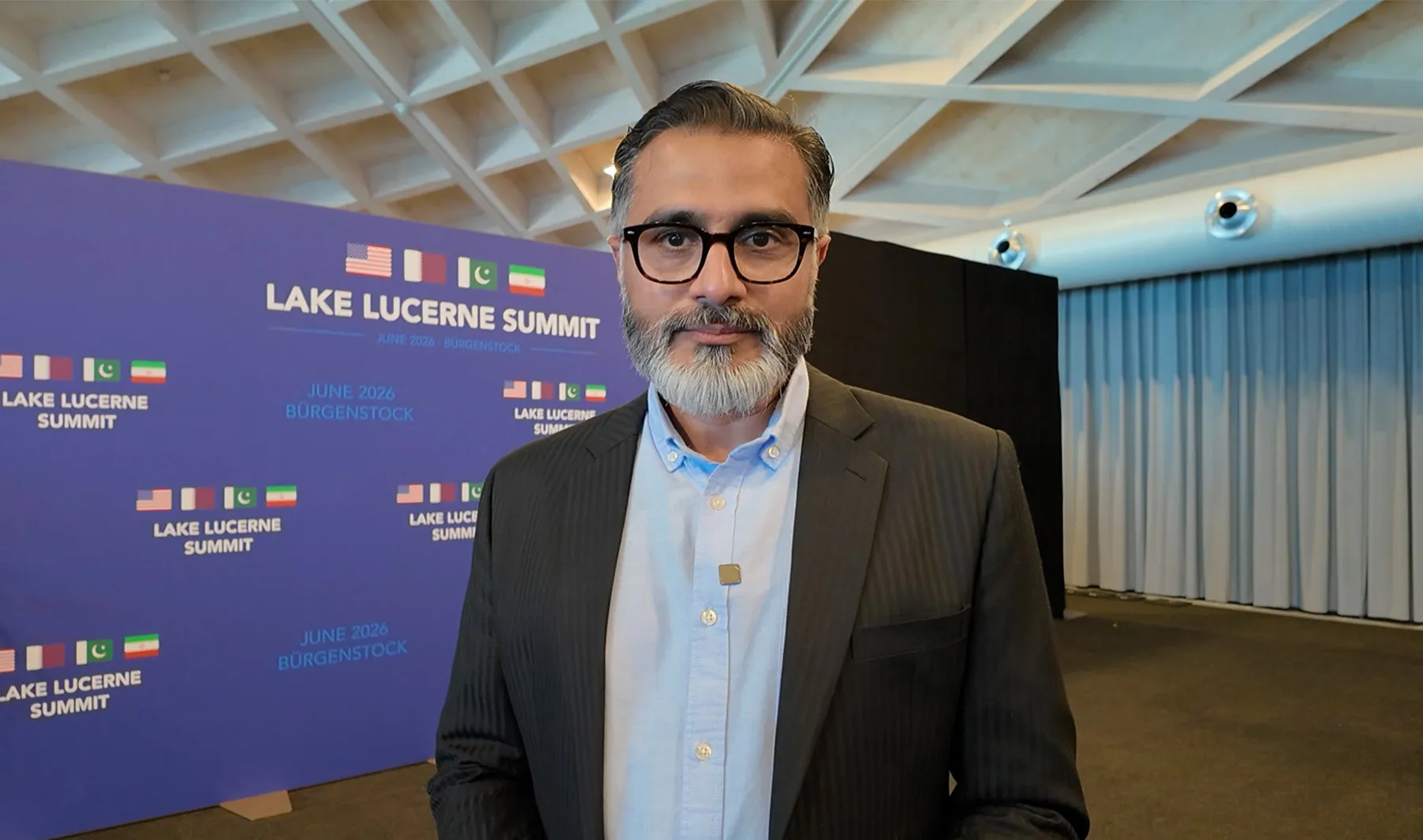
High-Stakes Diplomatic Efforts Underway Between US and Iran in Switzerland
 world
world
US and Iran Engage in High-Level Talks in Switzerland Amidst Regional Tensions
 world
world