
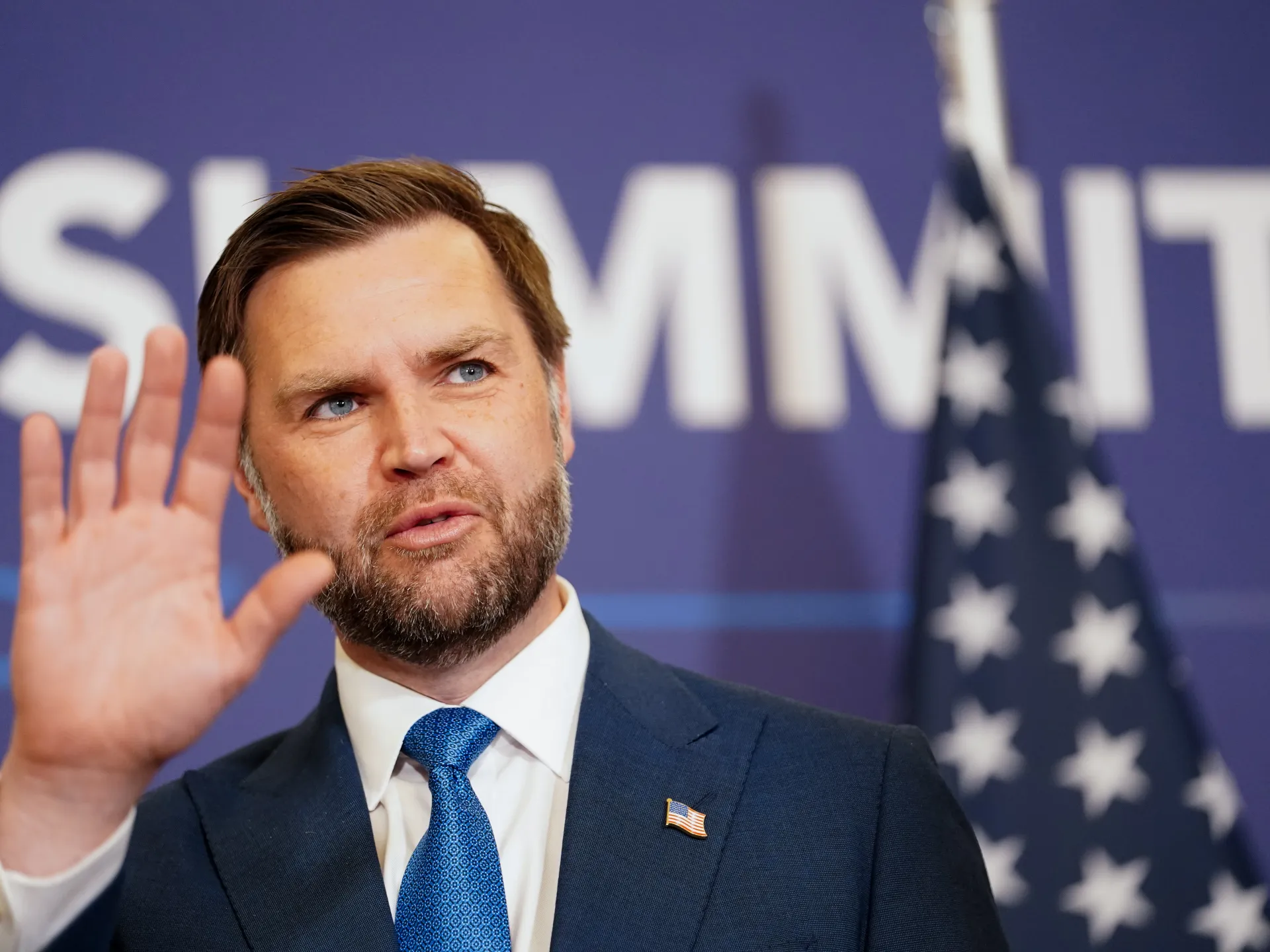
High-Stakes Diplomacy Underway in Switzerland
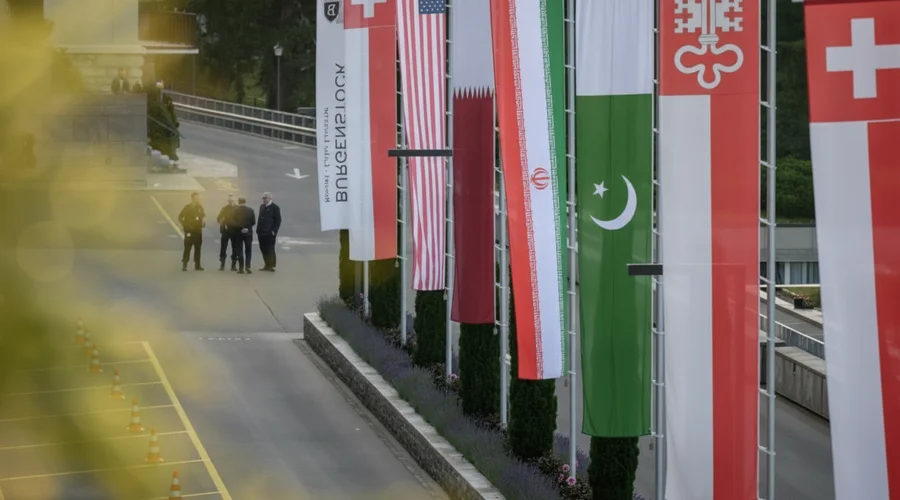
United States Vice President JD Vance has commenced high-level discussions with Iranian officials in Switzerland, focusing on the implementation of an interim agreement designed to bring a lasting resolution to the conflict between the two nations. These crucial talks are taking place at the Buergenstock Resort, nestled near Lucerne, following a recent 60-day extension of a ceasefire agreement.
The negotiations, which began on Sunday, June 21, 2026, are being led by Vice President Vance for the U.S. side and Iranian chief negotiator Mohammad Bagher Ghalibaf. Mediators, including representatives from Qatar and Pakistan, are also actively participating, underscoring the multilateral effort to de-escalate tensions and forge a durable peace.
Key Issues Dominating the Agenda
Before his departure for Switzerland, Vice President Vance expressed optimism about the potential for progress, stating his hope to "make progress on the nuclear issue, make progress on the Lebanon ceasefire issue." These remarks highlight the dual focus of the negotiations: addressing Iran's nuclear program and mitigating the conflict in Lebanon, which has recently intensified.
Iranian Foreign Ministry Spokesperson Esmaeil Baghaei further elaborated on Iran's priorities. In a video shared by the IRNA state news agency, Baghaei confirmed that the escalating conflict in Lebanon would be a primary topic. Additionally, discussions are expected to cover the release of frozen Iranian funds and the facilitation of the country's oil sales, both critical economic concerns for Tehran.
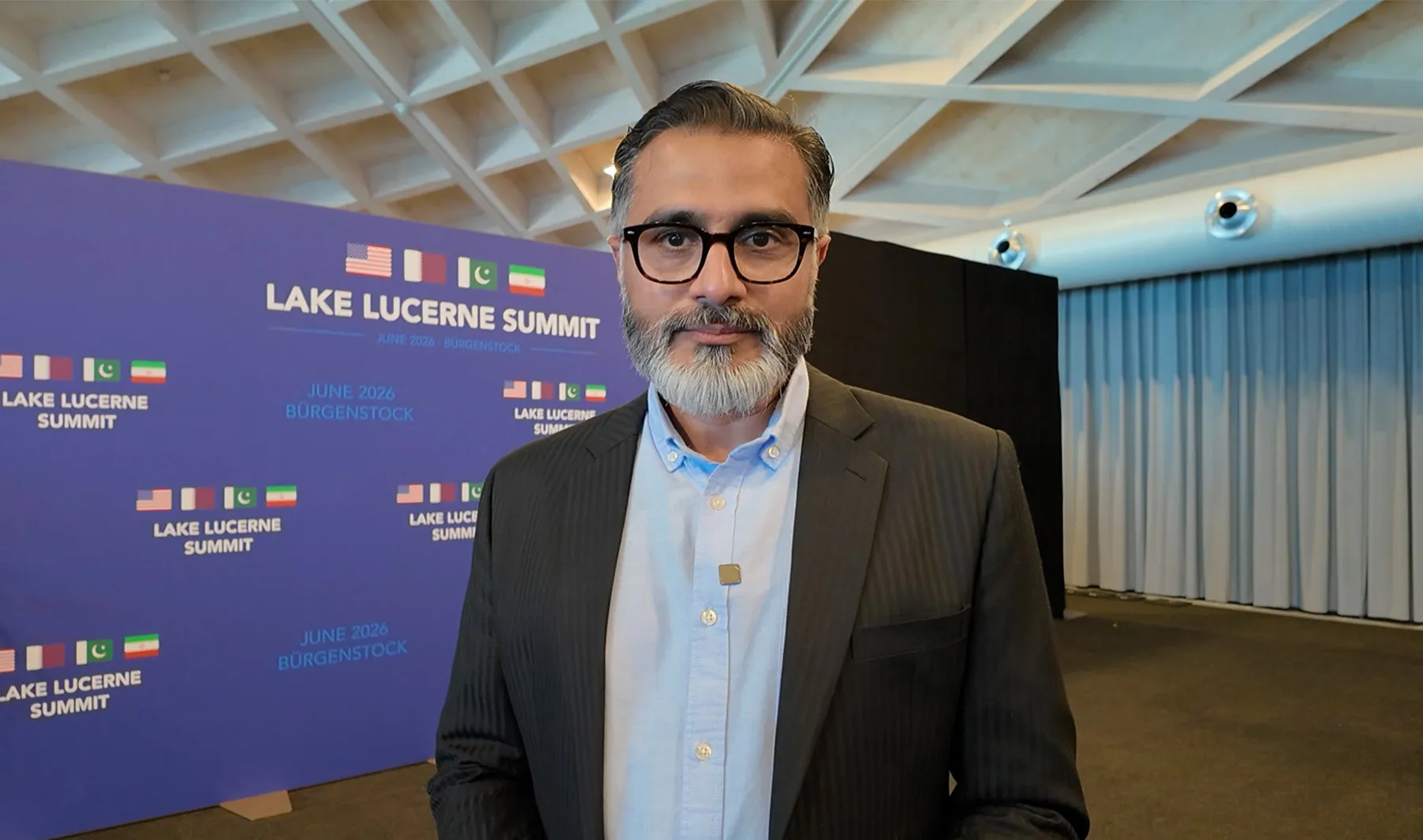
Reports from Al Jazeera's Osama Bin Javaid, stationed in Buergenstock, indicate that while the U.S. is keen to delve into the nuclear issue, Iran is prioritizing an immediate cessation of hostilities in Lebanon. This divergence in immediate priorities underscores the complexity of bridging the gap between the two sides' positions, necessitating high-level participation to find common ground.
Strait of Hormuz and Regional Instability
The backdrop to these talks is a period of heightened regional instability. Just prior to the negotiations, Iran's Islamic Revolutionary Guard Corps (IRGC) announced the closure of the Strait of Hormuz. This declaration was made in direct response to what Iran described as Israeli attacks in Lebanon, which it viewed as violations of the interim deal's ceasefire commitments. The Strait of Hormuz is a vital international waterway for global oil and gas supplies, and its potential closure raises significant concerns for international commerce and energy security.
Despite Iran's announcement, the U.S. military's Central Command (CENTCOM) reported that commercial vessels continued to operate in the strait without interruption. CENTCOM affirmed its commitment to ensuring the continuous flow of commercial traffic through the waterway. Former U.S. President Donald Trump, in a social media post, also weighed in on the strait's status, vowing that no toll would be charged for passage during or after the 60-day ceasefire, unless peace talks failed, at which point the U.S. might levy a toll for "services rendered as the Guardian Angel to the countries of the Middle East."
Security analyst Wolfgang Pusztai cautioned Iran against overplaying the Strait of Hormuz card. He pointed out that most ships transiting the strait are bound for countries like India, China, and Pakistan, which are often considered allies or partners of Iran, rather than solely Western nations. This perspective suggests that a prolonged closure could have unintended negative consequences for Iran's own regional standing and economic interests.
Challenges to the Interim Deal
The interim agreement, brokered by Pakistan and signed by Presidents Trump and Masoud Pezeshkian, aimed to end a nearly four-month-long conflict. However, its implementation is already facing significant hurdles. Mohammad Mokhber, an adviser to Iran's supreme leader, Ayatollah Mojtaba Khamenei, publicly accused the U.S. of failing to uphold the first clause of the 14-point deal, which mandates a ceasefire "on all fronts," including Lebanon. Mokhber warned that continued non-implementation would impede the flow of energy through the region.
Al Jazeera's Resul Serdar Atas, reporting from Tehran, indicated that the Iranian delegation in Switzerland would likely focus on several specific articles of the memorandum of understanding (MoU). These include the cessation of hostilities in Lebanon, the lifting of the U.S. maritime blockade, the reopening of the Strait of Hormuz, the release of frozen Iranian assets, and the lifting of U.S. sanctions on Iran's oil and petrochemical sectors. Atas noted that while Iran does not expect all these issues to be resolved in a single meeting, it seeks the initiation of their implementation.
The emphasis on Lebanon by Iran stems from its geopolitical interests and its long-standing support for Hezbollah, a key component of what Iran terms the "axis of resistance." Maintaining this influence is crucial for Iran's regional power projection and its commitment to its allies.
Fragile Truce in Lebanon
The truce in Lebanon remains precarious. Israeli forces continued attacks in the country on Saturday, resulting in dozens of fatalities, according to Lebanese state media. In response, the Iran-aligned Hezbollah group also launched attacks on Israeli forces. Israel asserted it was retaliating against Hezbollah attacks, while Hezbollah maintained that Israel had repeatedly violated the ceasefire since Friday and would not be granted "freedom of movement" in Lebanon. One Israeli soldier was reportedly killed in combat, marking the fifth such casualty since the U.S.-Iran deal was reached. Israeli media reported that the prime minister and defense minister had ordered a halt to fire in Lebanon, but that military forces would not withdraw from captured territories.
These developments underscore the fragility of the current peace efforts and the significant challenges that lie ahead for the negotiators in Switzerland as they strive to transform an interim ceasefire into a durable and comprehensive peace agreement.
Source: Original Article
Related Articles
 world
world
High-Stakes Diplomatic Efforts Underway Between US and Iran in Switzerland
 world
world
US and Iran Engage in High-Level Talks in Switzerland Amidst Regional Tensions
 world
world
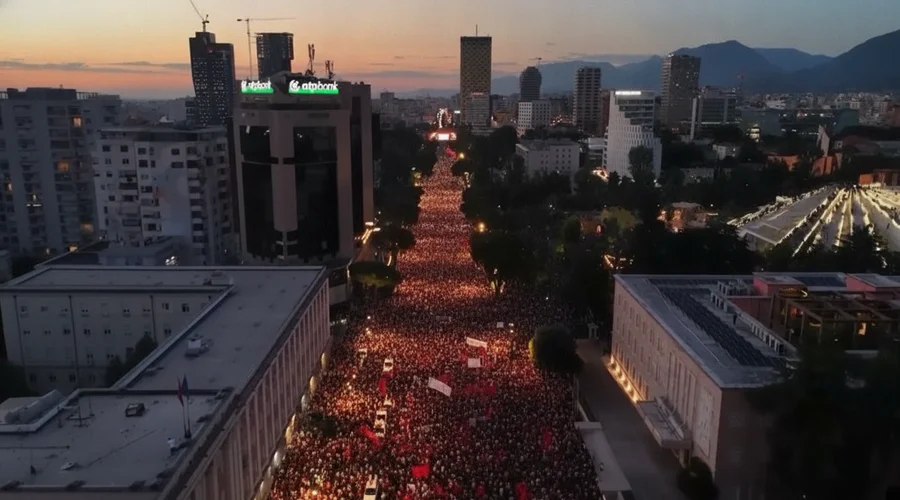
Mass Demonstrations Erupt in Albania Over Proposed Coastal Development
 world
world