

Overview of the Colombian Presidential Election
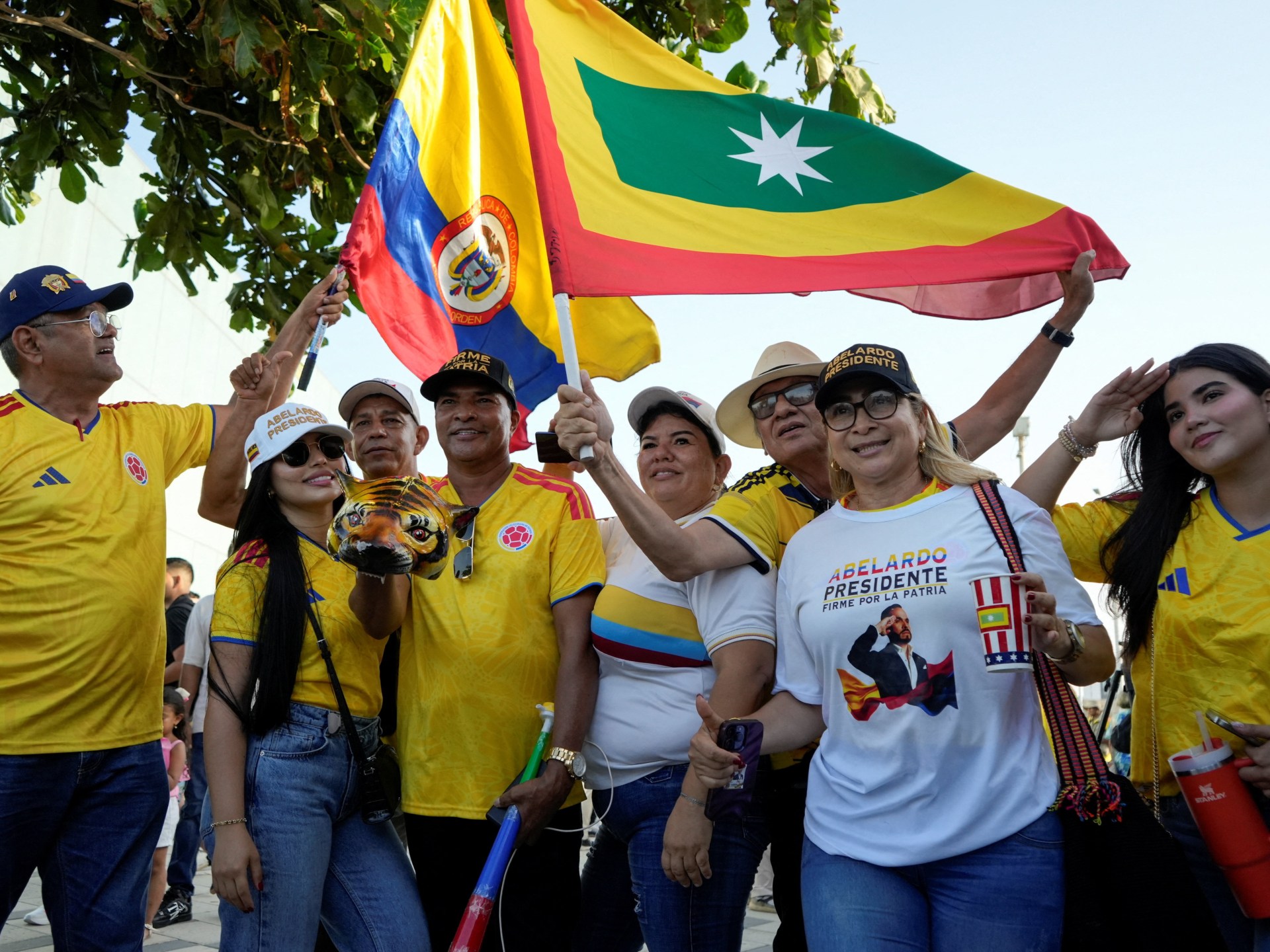
Colombia's political landscape is currently focused on an upcoming presidential runoff election scheduled for June 21. This election will see two distinct ideological candidates vying for the nation's highest office: Abelardo de la Espriella, representing the far-right, and Ivan Cepeda, a well-known leftist senator.
Abelardo de la Espriella: The Far-Right Challenger
Abelardo de la Espriella has emerged as a significant figure in Colombian politics, characterized by his far-right stance. His unexpected rise has been a notable aspect of this election cycle, with his campaign defying many initial predictions and polls. While specific details of his platform were not provided in the source, far-right candidates in Latin America typically advocate for policies emphasizing law and order, traditional values, economic liberalization, and a strong stance against perceived socialist or communist influences. De la Espriella's ability to gain traction suggests a segment of the electorate is receptive to his message and vision for the country.
Ivan Cepeda: The Leftist Standard-Bearer
On the other side of the political spectrum is Ivan Cepeda, a veteran leftist senator. Cepeda is recognized for his long-standing commitment to social justice, human rights, and peace initiatives in Colombia. Leftist platforms in the region often prioritize wealth redistribution, social programs, environmental protection, and reforms aimed at addressing historical inequalities and conflicts. His presence in the runoff indicates continued support for progressive policies among a significant portion of the Colombian populace, particularly those seeking systemic change and a more inclusive society.
The Significance of the Runoff
The June 21 runoff election is poised to be a critical moment for Colombia. The stark ideological contrast between de la Espriella and Cepeda presents voters with a clear choice between two fundamentally different directions for the country. The outcome will likely reflect the current mood of the electorate regarding issues such as economic policy, security, peace processes, and social reforms. Political analysts will be closely watching voter turnout and the ability of each candidate to consolidate support from other eliminated contenders to predict the final result.
Historical Context and Future Implications
Colombia has a complex political history, marked by internal conflicts, economic challenges, and periods of significant social change. The current election takes place against a backdrop of ongoing debates about the implementation of peace accords, economic recovery post-pandemic, and persistent social inequalities. The choice between a far-right outsider and a prominent leftist senator could have profound implications for the nation's domestic policies, international relations, and its trajectory in the coming years. The election's result will undoubtedly shape Colombia's approach to its most pressing challenges and opportunities.
Source: Al Jazeera
Related Articles
 politics
Ethiopia's Electoral Process: A Step Towards Democratic Consolidation Amidst Challenges
 politics
Ethiopia's Electoral Landscape Amidst Human Rights Concerns
 politics
Ethiopia Prepares for General Elections Post-Tigray Peace Accord
 politics