
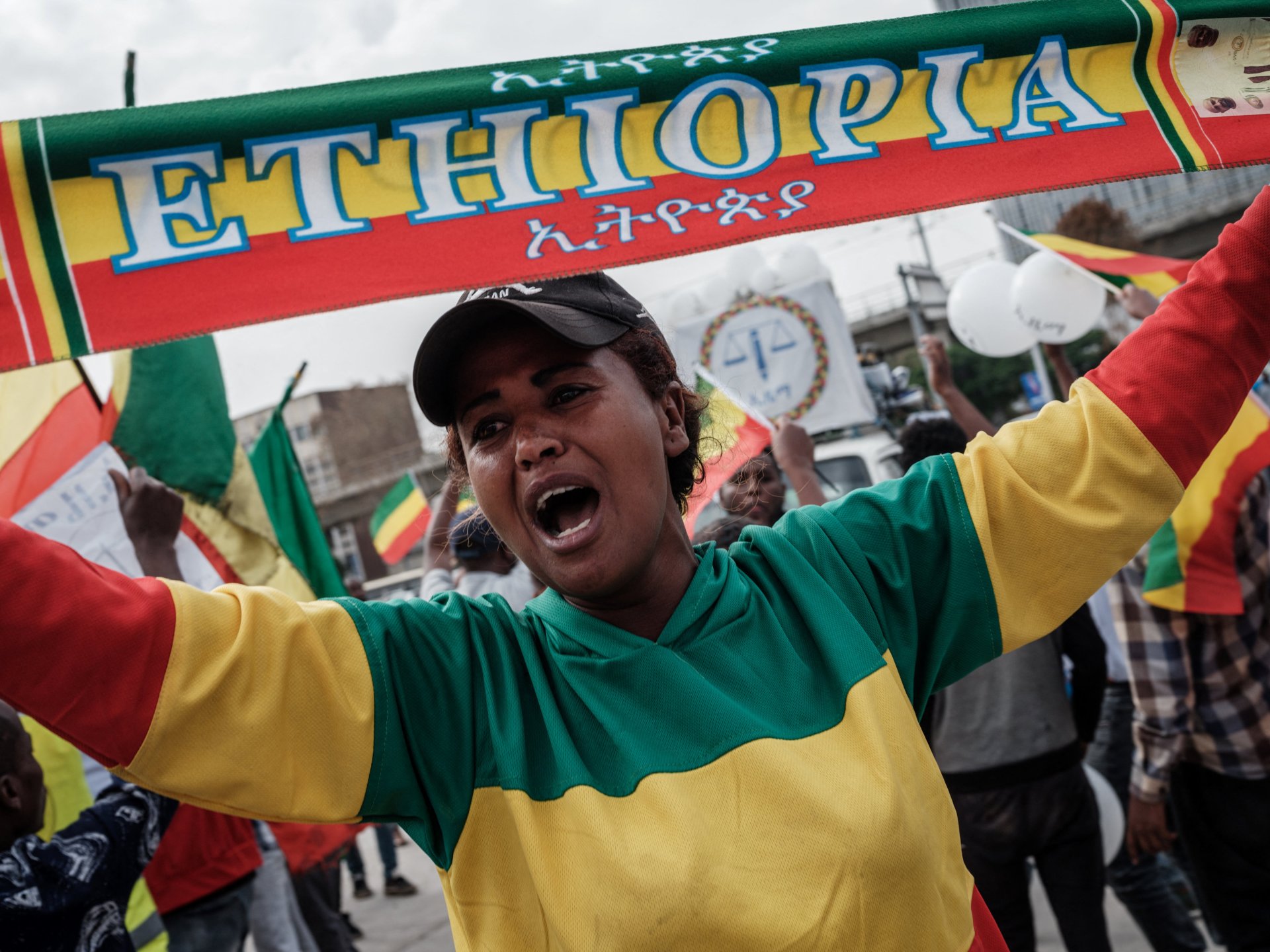
Ethiopia Prepares for Crucial General Elections
Ethiopia is poised to conduct its general elections on June 1, a pivotal event that will determine the future political direction of the nation. Prime Minister Abiy Ahmed's Prosperity Party is widely expected to secure a substantial victory, potentially solidifying its mandate for governance. These elections are particularly significant as they follow a period of considerable political and social transformation within the East African country.
The Electoral Landscape and Key Contenders
The Prosperity Party, formed in 2019 from the merger of the Ethiopian People's Revolutionary Democratic Front (EPRDF) coalition's ethnic-based parties, has positioned itself as a unifying force. Under Abiy Ahmed's leadership, the party aims to move beyond the ethno-nationalist politics that have historically characterized Ethiopian governance. The Prime Minister, a Nobel Peace Prize laureate, came to power in 2018 promising extensive reforms, including opening up the political space and fostering national unity.
While the Prosperity Party enters the elections with considerable momentum, the opposition landscape is marked by fragmentation. Numerous smaller parties and independent candidates are participating, but a unified front capable of mounting a strong challenge to the ruling party has not materialized. This disunity among opposition groups is often cited as a factor that could contribute to a less competitive electoral outcome, potentially paving the way for the Prosperity Party's anticipated landslide.
Challenges to Voter Participation and Security Concerns
Despite the official preparations for the polls, concerns persist regarding voter turnout, particularly in certain areas of the country. A key factor contributing to this apprehension is the presence of ongoing violence and instability in various regions. These security challenges, which have unfortunately become a recurring feature in parts of Ethiopia, could deter citizens from participating in the electoral process. The government and electoral commission have emphasized efforts to ensure a safe environment for voting, but the impact of these localized conflicts on overall turnout remains to be seen.
Moreover, the political environment leading up to the elections has been complex. The deferral of the elections from their original schedule in 2020 due to the COVID-19 pandemic, followed by the conflict in the Tigray region, has added layers of complexity to the electoral preparations. While a peace agreement has been signed for Tigray, the lingering effects of the conflict and other regional disputes continue to pose challenges to national stability and the smooth conduct of elections across the entire country.
The Significance of the Elections
These elections are not merely about selecting parliamentary representatives; they are a crucial test of Ethiopia's democratic trajectory and its ability to manage internal divisions. A strong mandate for the Prosperity Party could empower Abiy Ahmed to further implement his reform agenda, which includes economic liberalization and efforts to strengthen national identity. Conversely, any significant issues with the electoral process or widespread dissatisfaction could exacerbate existing tensions.
The upcoming elections represent a critical juncture for Ethiopia, offering both an opportunity to solidify democratic institutions and a challenge to overcome deep-seated political and security hurdles.
Observers will be closely watching the conduct of the elections, the fairness of the process, and the level of public participation. The outcome will undoubtedly have profound implications for Ethiopia's internal stability, its regional standing, and its relations with international partners.
Source: Al Jazeera
Related Articles
 politics
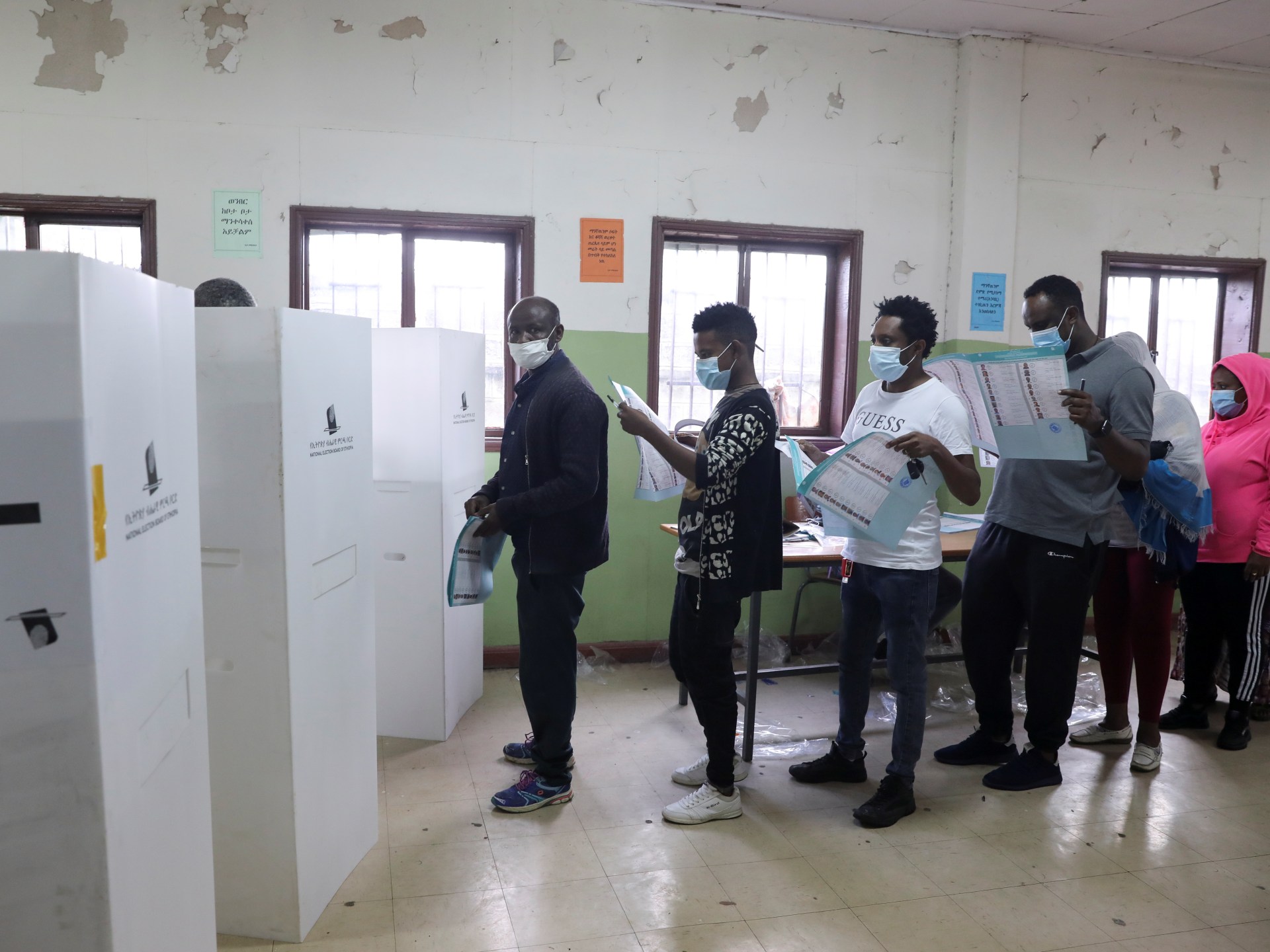
Ethiopia's Electoral Process: A Step Towards Democratic Consolidation Amidst Challenges
 politics
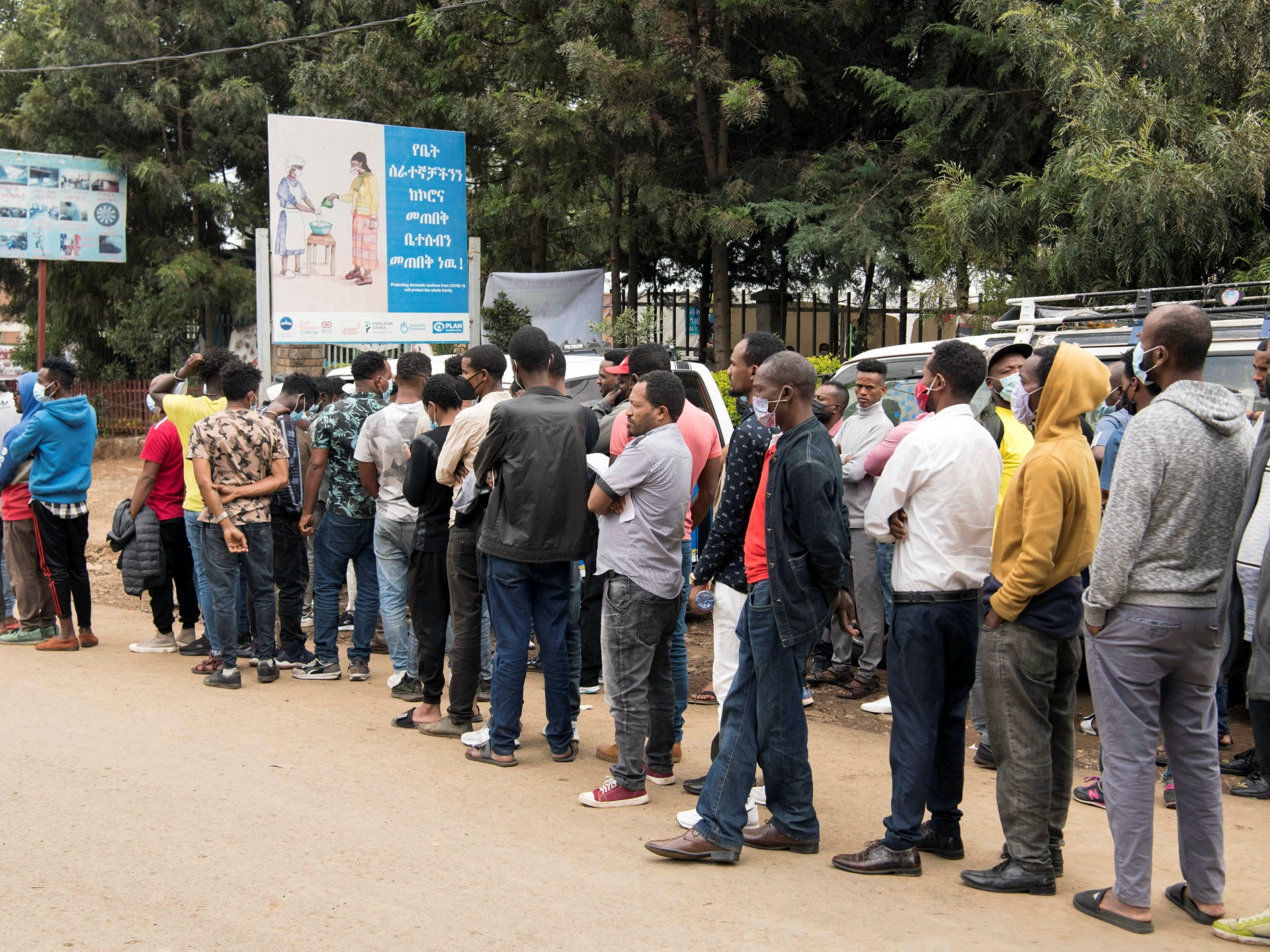
Ethiopia's Electoral Landscape Amidst Human Rights Concerns
 politics
Ethiopia Prepares for General Elections Post-Tigray Peace Accord
 politics