
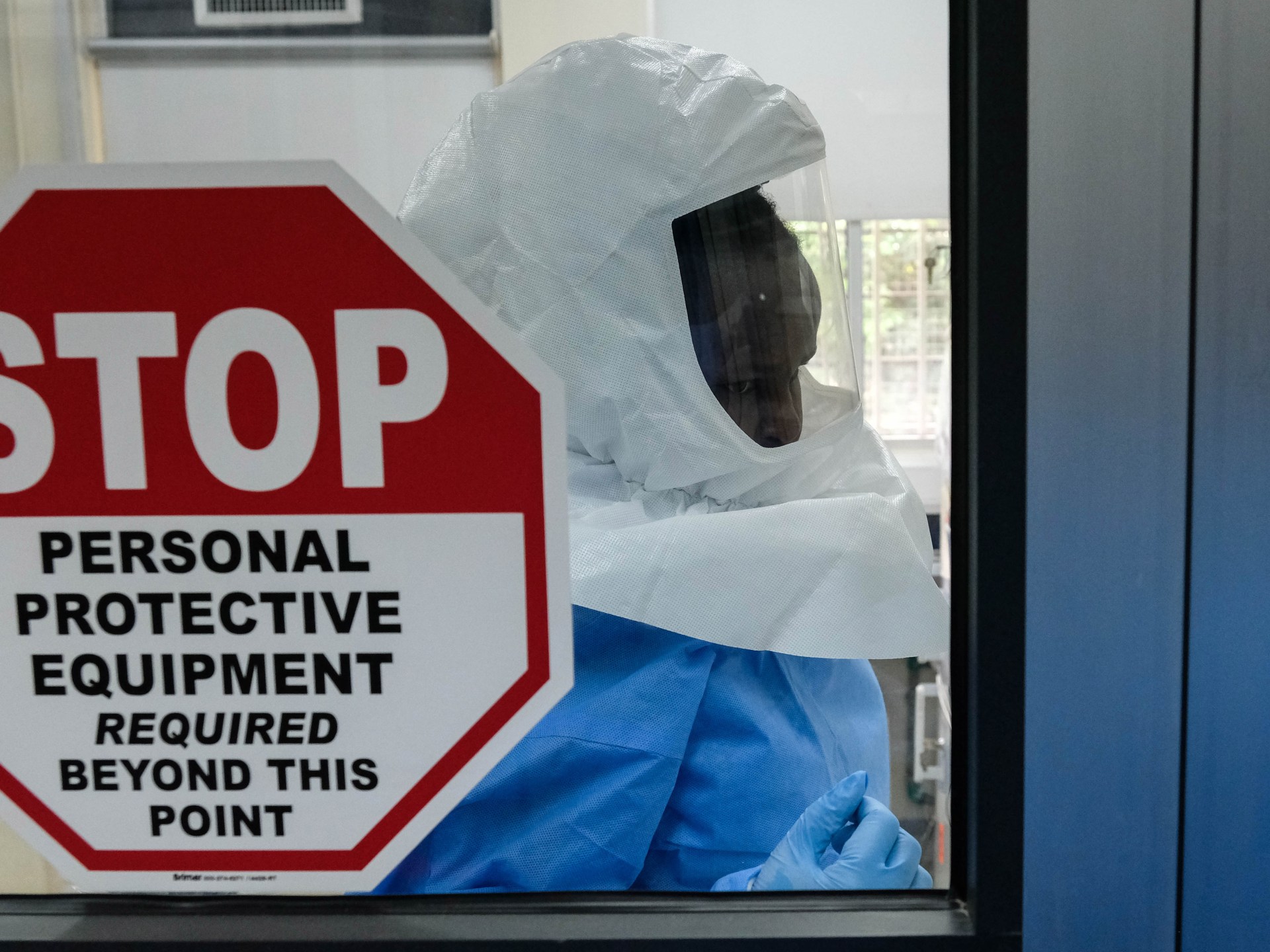
The Urgent Need for Ebola Vaccines
The global health community continues to face the persistent threat of Ebola virus disease, characterized by its high fatality rate and the potential for rapid, widespread transmission. In response to recurring outbreaks, significant efforts have been directed towards the development of effective vaccines. The urgency of this research is underscored by the observation that the virus often spreads more quickly than public health responses can contain it, highlighting the critical need for preventative measures.
Current Landscape of Vaccine Research
Currently, at least three distinct vaccine candidates are receiving substantial funding and are undergoing accelerated research and development. These initiatives are crucial in the ongoing battle against Ebola, aiming to provide a robust immunological defense for at-risk populations and frontline healthcare workers.
The acceleration of vaccine research is a direct response to the challenges posed by Ebola outbreaks, where the speed of viral transmission frequently outpaces the deployment of containment strategies.
While specific details about each vaccine candidate's unique mechanisms or trial phases are often complex and subject to ongoing scientific review, the general objective remains consistent: to induce a protective immune response against the Ebola virus. This typically involves exposing the immune system to harmless components of the virus, or a modified, non-pathogenic form of the virus, to prepare it to recognize and fight off a future infection.
Timeline for Readiness
Predicting the exact timeline for when these vaccines will be widely ready for deployment is inherently challenging. The process of vaccine development is rigorous and multi-phased, involving:
- Pre-clinical testing: Studies in laboratories and animals to assess safety and immune response.
- Clinical trials (Phases I, II, III): Human trials to evaluate safety, dosage, and efficacy in increasingly larger populations.
- Regulatory approval: Review by national and international health authorities to ensure the vaccine meets stringent safety and effectiveness standards.
- Manufacturing and distribution: Large-scale production and equitable distribution, particularly to affected regions.
The 'fast-tracking' of research signifies an expedited process where certain stages might overlap or receive priority funding and regulatory review. However, it does not bypass the essential safety and efficacy evaluations. Historically, vaccine development can take many years, but the urgency surrounding Ebola has compressed these timelines significantly for promising candidates.
Factors that can influence readiness include:
- The success rate of ongoing clinical trials.
- The ability to rapidly scale up manufacturing.
- Logistical challenges in distribution, especially in remote or conflict-affected areas.
- Acceptance and uptake within communities.
While some vaccines may be available for emergency use in specific outbreak scenarios earlier, widespread availability for routine immunization or broader preventative campaigns would follow comprehensive regulatory approval and production scaling. The hope is that these expedited efforts will yield effective and accessible vaccines in the shortest possible timeframe, significantly reducing the impact of future Ebola outbreaks.
Source: Al Jazeera
Related Articles
 health
Gendered Impact: Women Disproportionately Affected by Ebola in DRC
 health
Social Media's Role in Proliferation of Unverified Herbal Remedies in Nigeria
 health
Ebola Treatment Facility Reconstructed Following Arson Attack in Eastern DRC
 health