
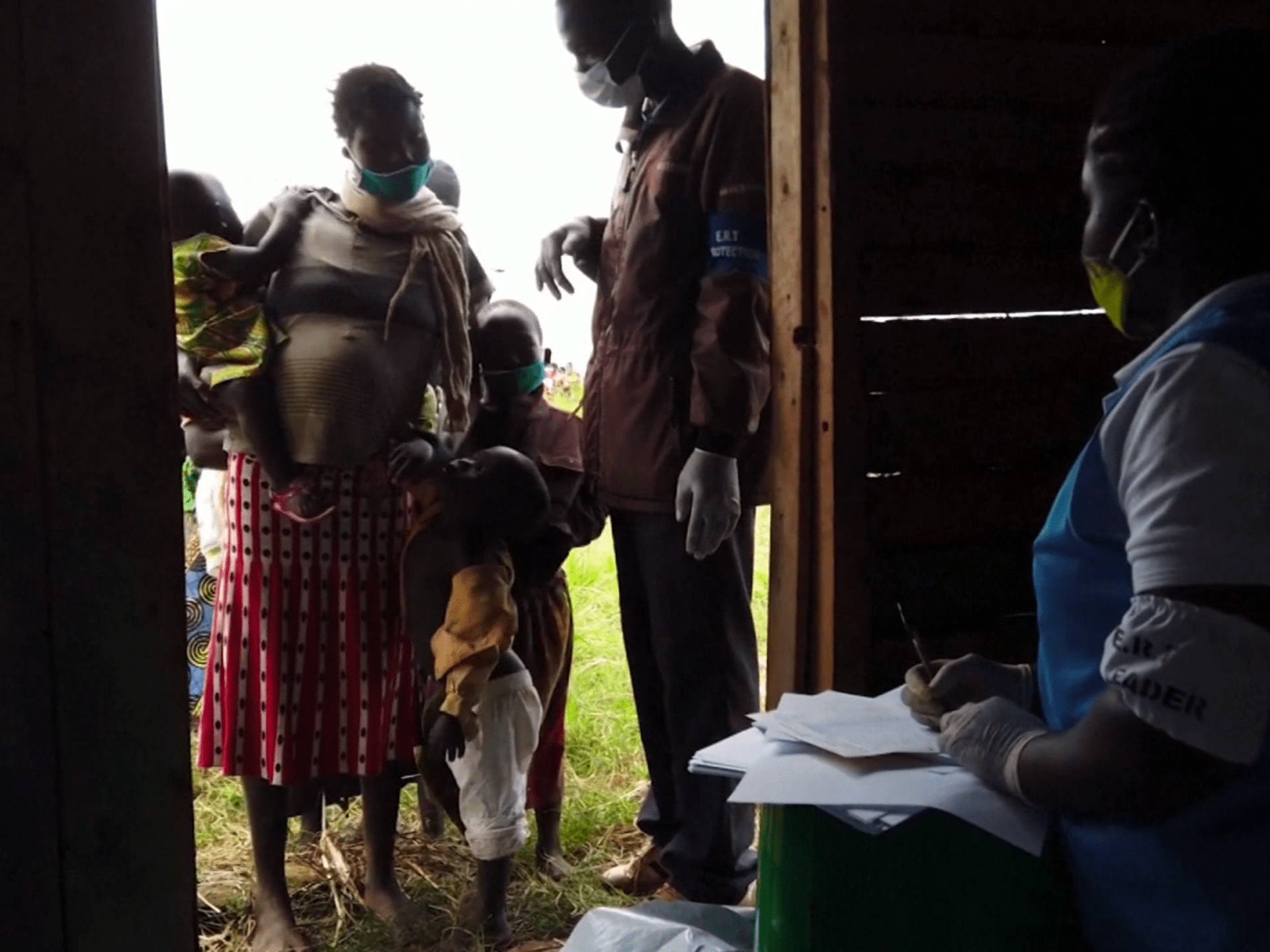
Understanding the Disproportionate Burden on Women
The Democratic Republic of Congo (DRC) has faced numerous challenges in combating Ebola outbreaks, and a consistent trend observed during these crises is the disproportionate impact on women. While Ebola affects everyone, various socio-cultural and economic factors amplify the risks and consequences for women, placing a heavier burden on them compared to men.
Societal Roles and Increased Exposure
In many communities within the DRC, women predominantly serve as primary caregivers within families. This role often involves looking after sick relatives, including those suspected or confirmed to have Ebola. Such close contact, often without adequate protective measures or understanding of transmission risks, significantly increases their likelihood of contracting the virus. Beyond family care, women are also frequently at the forefront of community health efforts, working as traditional healers, nurses, or community health workers, further exposing them to infected individuals.
Furthermore, women are often responsible for household chores that require interaction with public spaces and potentially contaminated environments. Tasks such as fetching water, collecting firewood, and preparing food for large families can inadvertently increase their exposure to the virus, especially in areas with poor sanitation or limited access to clean resources.
Economic Vulnerability and Impact on Livelihoods
The economic repercussions of an Ebola outbreak are severe for all, but women often experience a magnified impact. Many women in the DRC are engaged in informal economic activities, such as small-scale trading, farming, or craft production, which are highly susceptible to disruptions caused by movement restrictions, market closures, and public fear. When an outbreak occurs, these vital income-generating activities are often halted, leading to significant financial instability for women and their dependents.
The loss of income can have cascading effects, impacting access to food, education for children, and essential healthcare services, creating a cycle of vulnerability that is difficult to break, even after the outbreak subsides.
Moreover, the stigma associated with Ebola can further marginalize women. Survivors, particularly women, may face discrimination within their communities, hindering their ability to reintegrate into social and economic life. This stigma can affect their marital status, access to employment, and overall well-being.
Challenges in Accessing Healthcare and Information
Despite their increased risk, women sometimes face barriers to accessing timely healthcare and accurate information during an Ebola outbreak. Cultural norms, lack of transportation, and financial constraints can prevent women from seeking medical attention early, leading to more severe illness and higher mortality rates. In some instances, fear of being isolated or separated from their children can also deter women from reporting symptoms.
Additionally, information campaigns may not always effectively reach women, especially those in remote areas or those with lower literacy rates. Critical information about prevention, symptoms, and available treatments might not be disseminated in ways that are accessible and understandable to all women, exacerbating their vulnerability.
Addressing Gender-Specific Needs in Response Efforts
Recognizing the gendered impact of Ebola is crucial for developing more effective and equitable response strategies. Humanitarian organizations and health authorities are increasingly focusing on integrating gender-sensitive approaches into their interventions. This includes ensuring that women are actively involved in community engagement and decision-making processes, tailoring health messages to address their specific concerns, and providing support services that consider their unique needs, such as childcare for those undergoing treatment or economic assistance for women whose livelihoods have been disrupted.
Efforts to empower women through education, economic opportunities, and leadership roles can also strengthen community resilience against future health crises. By addressing the underlying social and economic inequalities that make women more vulnerable, response efforts can become more comprehensive and ultimately more successful in mitigating the overall impact of outbreaks like Ebola.
Source: Al Jazeera
Related Articles
 health
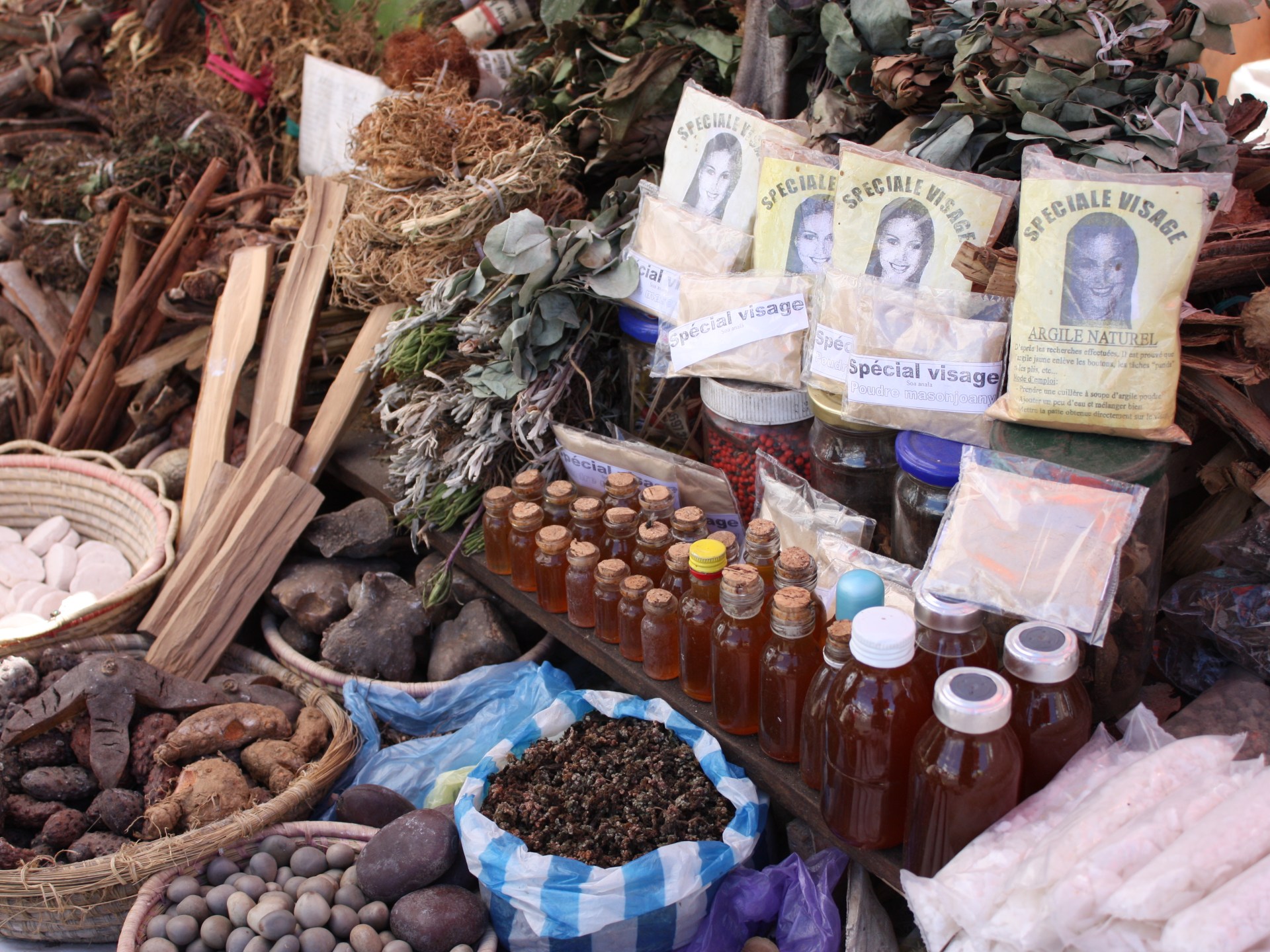
Social Media's Role in Proliferation of Unverified Herbal Remedies in Nigeria
 health
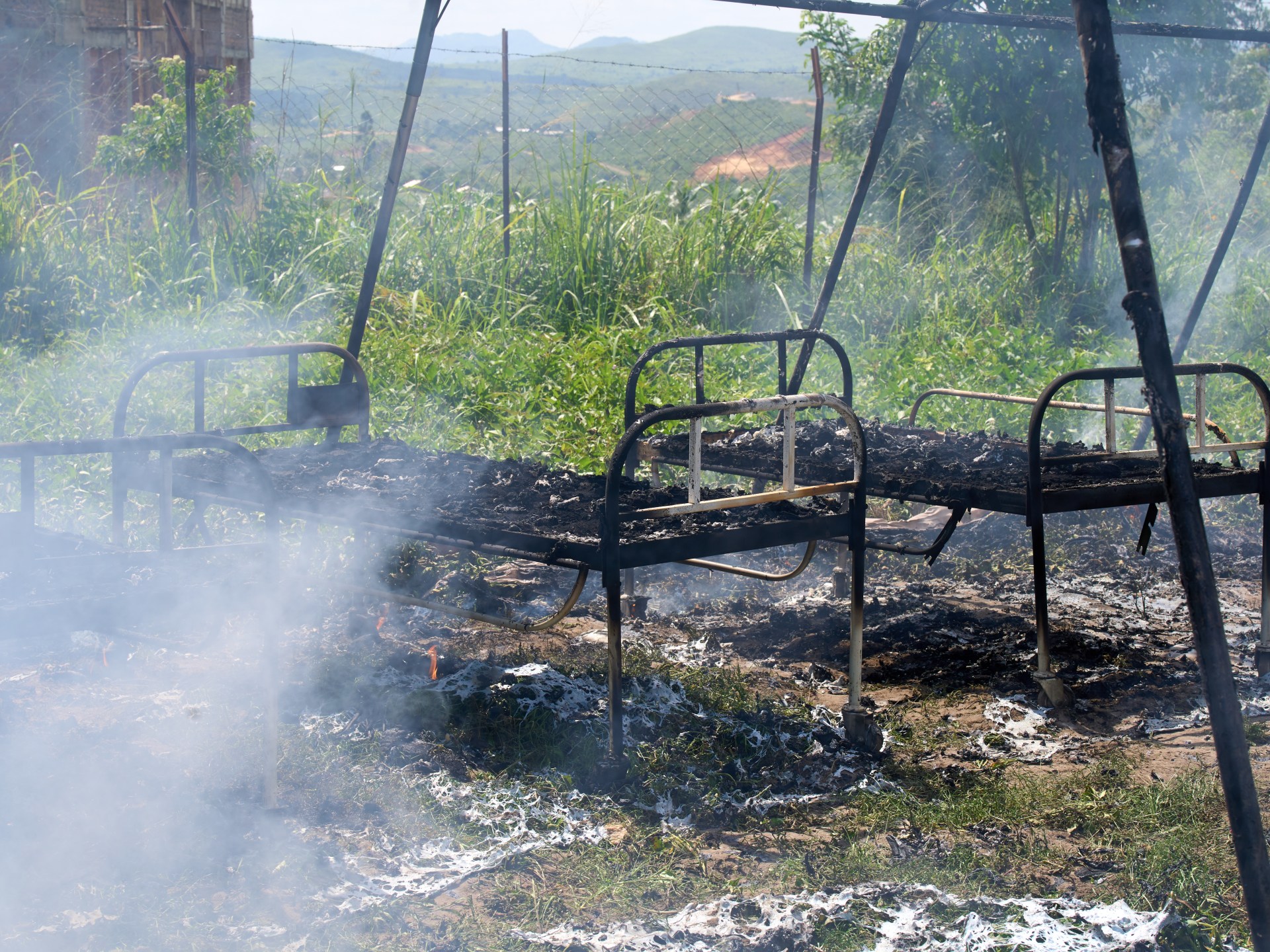
Ebola Treatment Facility Reconstructed Following Arson Attack in Eastern DRC
 health
Israel Grapples with Escalating Mental Health Crisis Amidst Protracted Conflict
 health