
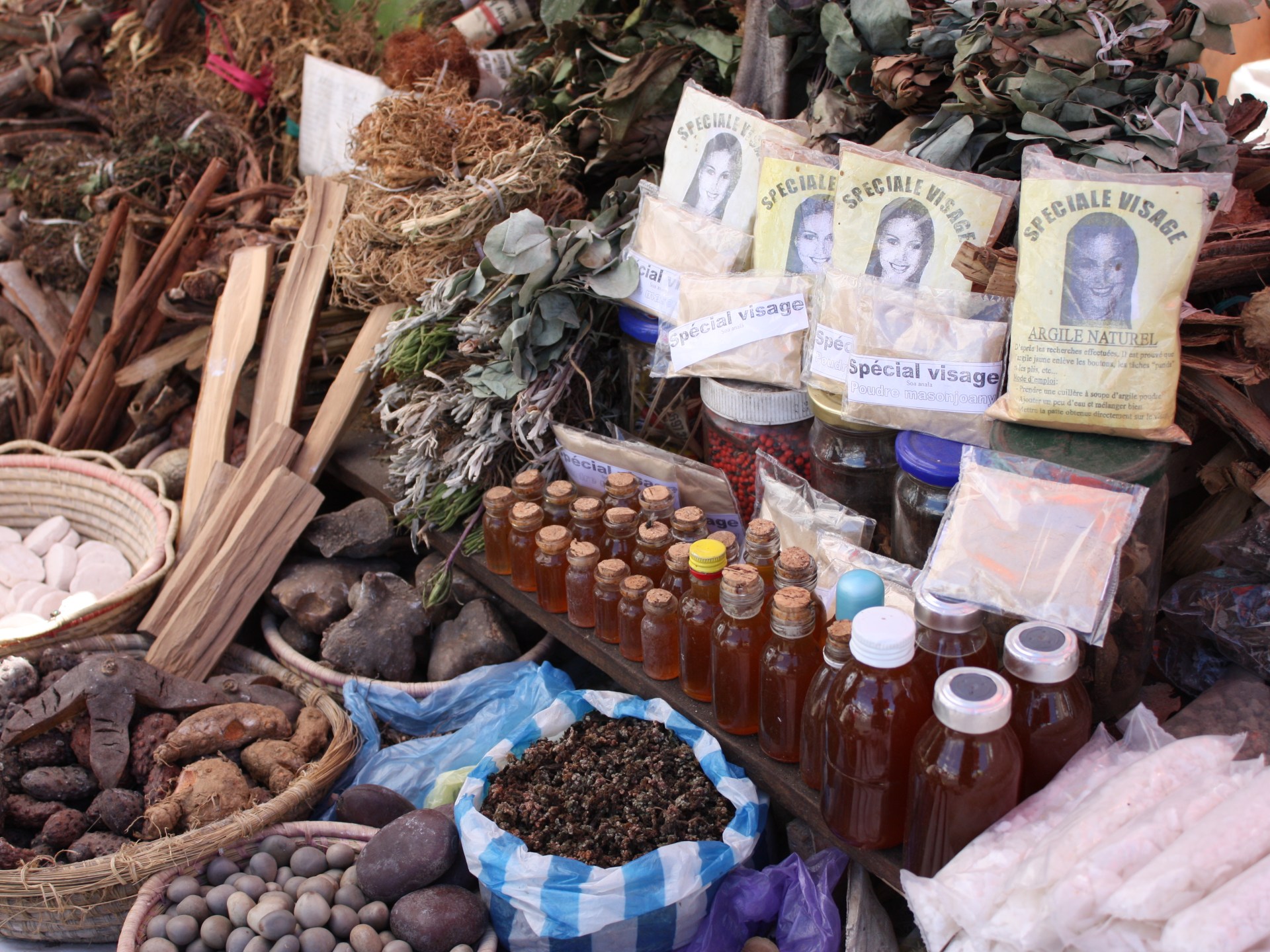
The Digital Spread of Traditional Cures
In Nigeria, the digital landscape has become a significant conduit for the promotion and distribution of traditional herbal remedies. While traditional medicine has deep roots within Nigerian culture, the advent of social media has introduced new complexities, particularly concerning the verification and safety of these products. Platforms that were once seen as tools for connection are now frequently utilized to market various herbal concoctions, often without scientific backing or regulatory oversight.
This surge in online promotion has led to a dual challenge: an increase in health complications for individuals who consume these unverified remedies and a delay in seeking conventional medical treatment. The ease with which information, or misinformation, can spread across social media means that claims about the efficacy of certain herbs can reach a wide audience rapidly, often bypassing the scrutiny that pharmaceutical products undergo.
The Appeal and Risks of Online Herbalism
The appeal of herbal remedies in Nigeria is multifaceted. Many individuals have a cultural predisposition towards traditional medicine, viewing it as a natural and often more accessible alternative to Western pharmaceuticals. Economic factors also play a role, as some perceive herbal treatments to be more affordable. Social media amplifies this appeal by creating communities around these products, where testimonials and anecdotal evidence are shared, often more persuasively than scientific data.
However, the lack of regulation in the online sphere presents substantial risks. Unlike established pharmaceutical products that must pass rigorous clinical trials and receive approval from health authorities, many herbal remedies promoted on social media lack such validation. This can lead to several dangerous outcomes:
- Adverse Reactions: Some herbal ingredients can interact negatively with existing medications or cause severe side effects, especially if dosage is not standardized or if the product is contaminated.
- Misdiagnosis and Delayed Treatment: Individuals might rely on herbal remedies for serious conditions that require immediate medical intervention. This delay can allow diseases to progress, making them harder to treat effectively.
- False Hope: Unsubstantiated claims of cures for chronic or terminal illnesses can exploit vulnerable individuals, leading them to abandon proven medical treatments for ineffective alternatives.
- Product Contamination: Without proper manufacturing standards and quality control, herbal products sold online may contain harmful contaminants, incorrect ingredients, or be mislabeled.
Regulatory Challenges in the Digital Age
Nigerian health authorities face a significant challenge in regulating the online promotion and sale of these herbal remedies. The decentralized nature of social media makes it difficult to monitor all content and enforce existing regulations effectively. While agencies like the National Agency for Food and Drug Administration and Control (NAFDAC) are responsible for ensuring the safety and quality of food and drug products, their capacity to police the vast digital landscape is often stretched.
Furthermore, the legal framework for regulating health claims made on social media is still evolving. Distinguishing between genuine traditional practices and fraudulent marketing is a complex task that requires a concerted effort from regulators, social media platforms, and public health advocates. Educational campaigns are crucial to inform the public about the dangers of unverified health claims and to encourage critical evaluation of information found online.
Moving Forward: Education and Collaboration
Addressing this issue requires a multi-pronged approach. Public health campaigns can play a vital role in educating Nigerians about the importance of evidence-based medicine and the risks associated with unverified herbal remedies. Encouraging individuals to consult qualified healthcare professionals before using any traditional or complementary medicine is paramount.
Collaboration between regulatory bodies, traditional medicine practitioners, and social media companies could also be beneficial. Establishing clearer guidelines for the online promotion of herbal products and implementing mechanisms for reporting misleading content could help mitigate some of the risks. While respecting traditional practices, ensuring public safety must remain the top priority in an increasingly digital world where health information is readily available, but not always reliable.
Source: Al Jazeera
Related Articles
 health
Gendered Impact: Women Disproportionately Affected by Ebola in DRC
 health
Ebola Treatment Facility Reconstructed Following Arson Attack in Eastern DRC
 health
Israel Grapples with Escalating Mental Health Crisis Amidst Protracted Conflict
 health