
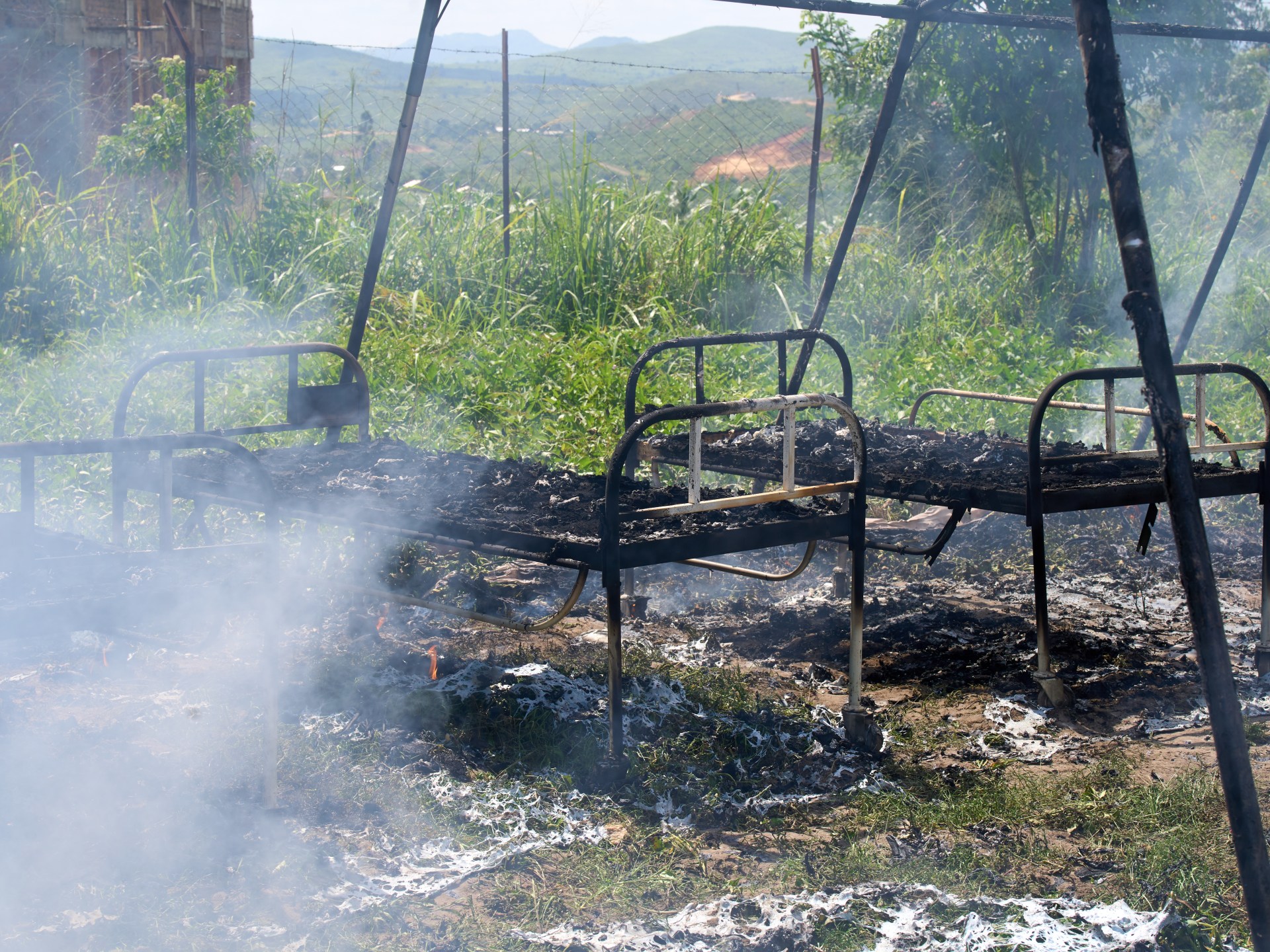
Rebuilding Efforts Underway for Vital Health Infrastructure
In the eastern region of the Democratic Republic of Congo (DRC), dedicated teams are actively engaged in the reconstruction of an Ebola treatment facility that was recently targeted and set ablaze by demonstrators. This critical infrastructure, essential for combating the spread of the deadly virus, was rendered inoperable following the destructive protest earlier in the month.
Community Unrest and Public Health Challenges
The arson attack on the Ebola treatment center underscores the complex interplay between public health initiatives and community sentiment in conflict-affected regions. Such incidents not only disrupt vital medical services but also reflect deeper issues of mistrust, misinformation, and frustration among local populations. The DRC has faced numerous challenges in its fight against Ebola, including security concerns, logistical difficulties, and, significantly, resistance from some communities.
Ebola outbreaks in the DRC have historically been difficult to contain, partly due to the transient nature of populations, the presence of armed groups, and the lack of robust healthcare infrastructure in remote areas. When combined with public distrust, these factors can severely impede efforts to vaccinate, treat, and educate communities about the virus.
The Importance of Treatment Centers
Ebola treatment centers serve as cornerstones in the global strategy to manage and eradicate outbreaks. They provide specialized care for infected individuals, helping to improve survival rates through supportive treatments like rehydration, symptom management, and monitoring. Beyond direct patient care, these facilities are crucial for:
- Isolation: Preventing further transmission by separating infected individuals from the general population.
- Contact Tracing: Serving as a hub for identifying and monitoring individuals who may have been exposed to the virus.
- Data Collection: Gathering vital epidemiological data that informs public health responses and research.
- Community Engagement: Acting as a point of contact for health education and outreach, though this can be severely compromised by mistrust.
- Training: Providing a controlled environment for healthcare workers to gain expertise in managing highly infectious diseases.
The destruction of such a facility represents a significant setback, not only in terms of the immediate loss of capacity but also in eroding the fragile trust that health organizations strive to build with affected communities.
Addressing the Root Causes of Protests
While the immediate focus is on rebuilding the center, it is equally important for authorities and international health organizations to address the underlying reasons for such violent protests. These can include:
Misinformation and rumors about the virus or the intentions of health workers.
Lack of transparency or perceived disrespect for local customs and beliefs.
General frustration with governmental failures or the presence of foreign aid workers.
Exacerbation of existing political or social grievances.
Effective communication strategies, community involvement in decision-making processes, and a culturally sensitive approach are critical to fostering cooperation and preventing future incidents of violence against healthcare infrastructure and personnel.
Looking Ahead
The reconstruction efforts signal a commitment to continuing the fight against Ebola in the DRC. However, the incident serves as a stark reminder that public health interventions must be accompanied by robust community engagement and efforts to build trust. Without addressing the socio-political context in which outbreaks occur, the path to sustained disease control will remain fraught with challenges.
Source: Al Jazeera
Related Articles
 health
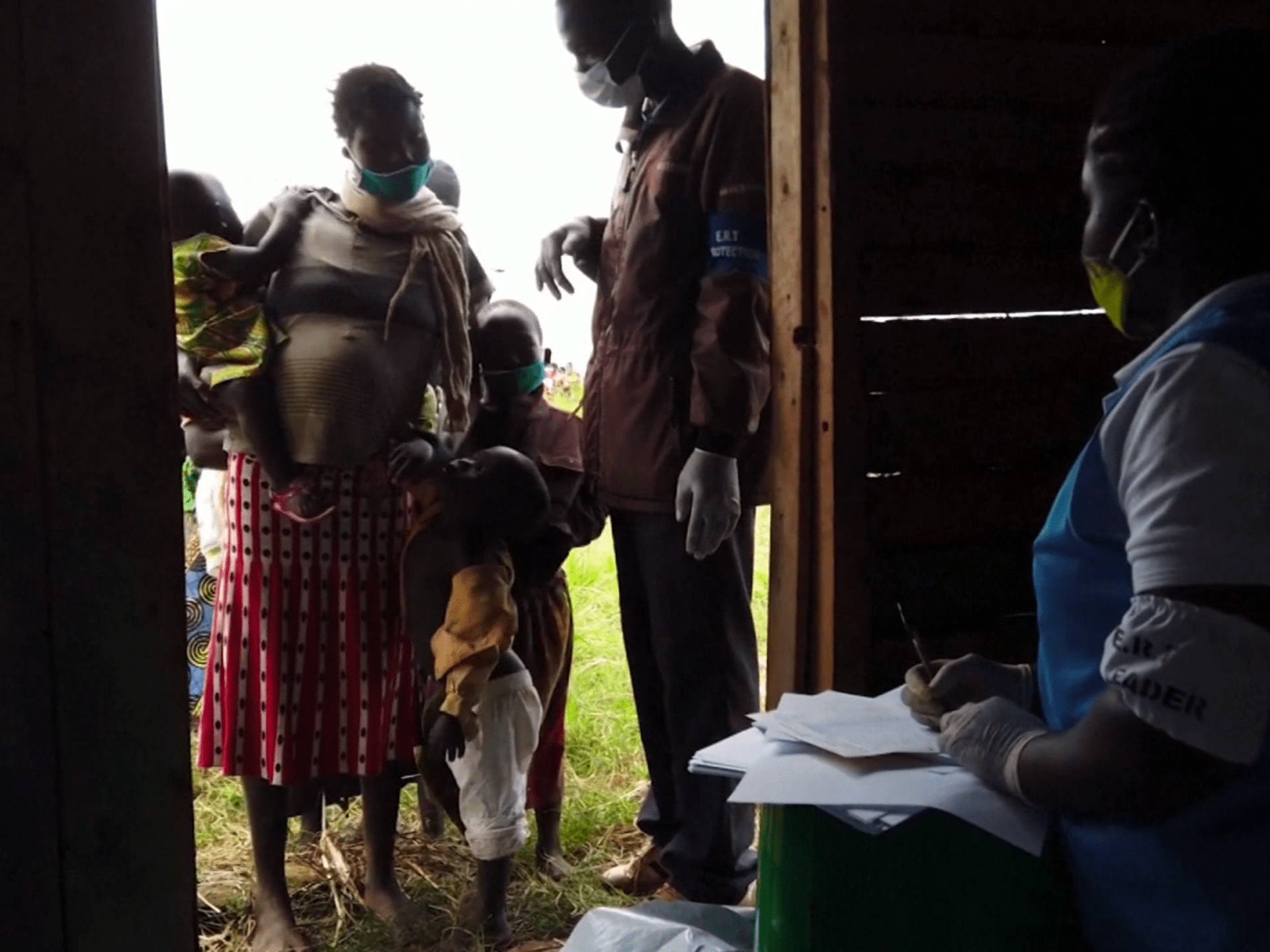
Gendered Impact: Women Disproportionately Affected by Ebola in DRC
 health
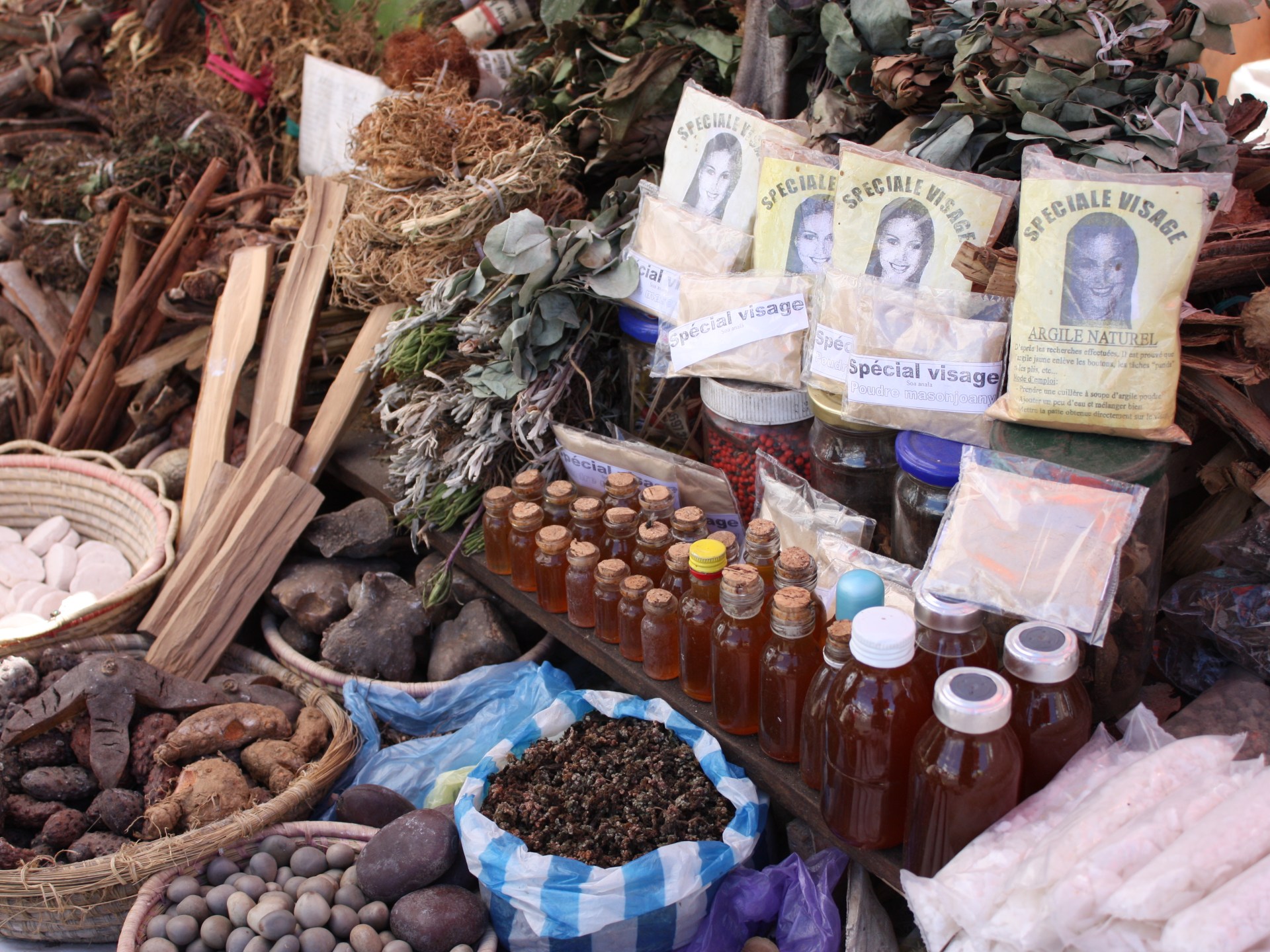
Social Media's Role in Proliferation of Unverified Herbal Remedies in Nigeria
 health
Israel Grapples with Escalating Mental Health Crisis Amidst Protracted Conflict
 health