
The Unseen Toll of Sustained Conflict
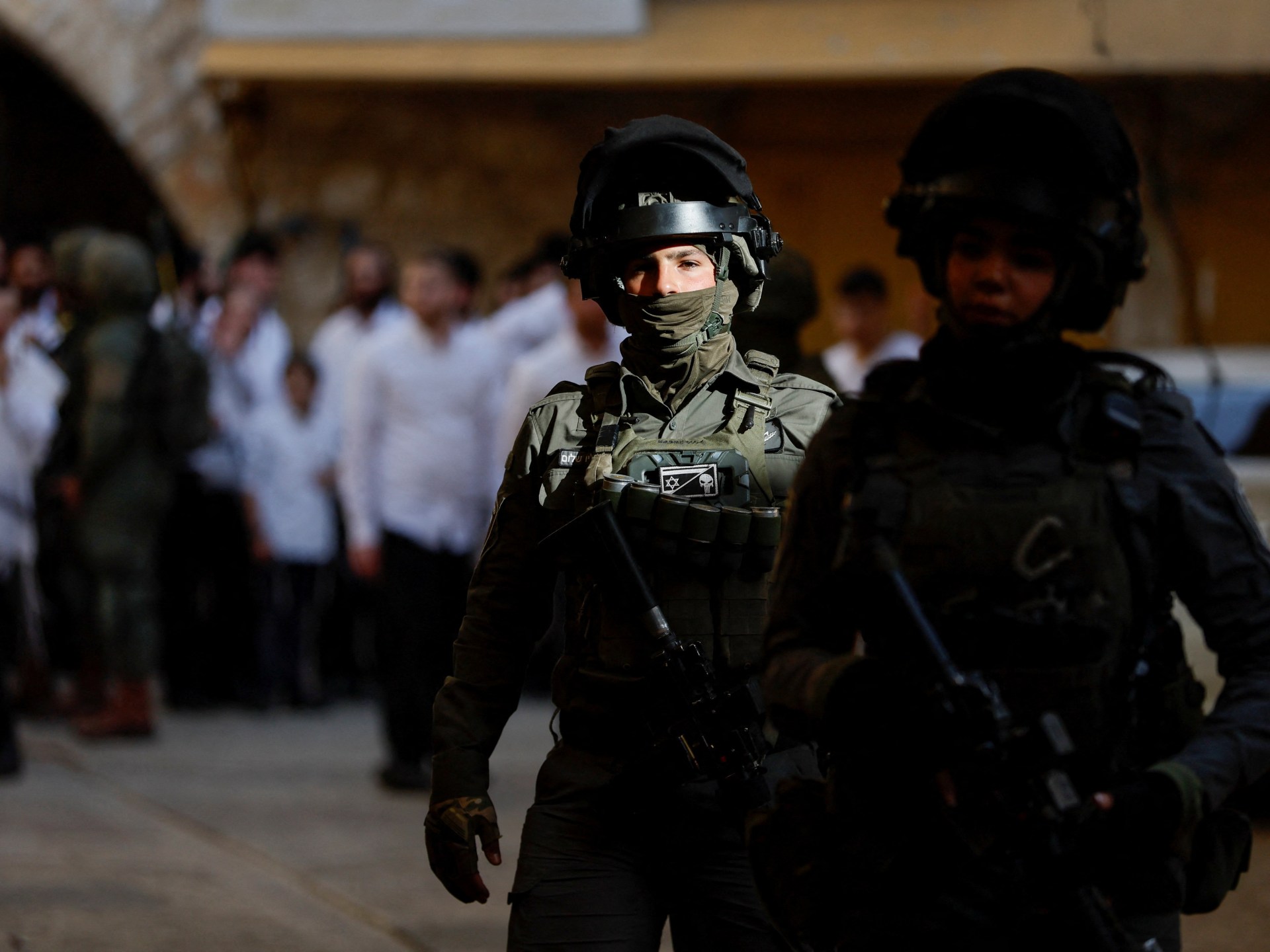
The ongoing period of conflict and heightened tension in Israel, particularly since late 2023, has begun to reveal a profound impact on the mental well-being of its population. While the physical consequences of war are often immediately apparent, the psychological aftermath can linger for years, manifesting in various forms of distress. Recent studies and statements from officials indicate a concerning rise in conditions such as Post-Traumatic Stress Disorder (PTSD), an increase in suicide rates, and growing social strain across Israeli society.
Rising Incidence of PTSD
One of the most widely recognized mental health conditions associated with exposure to conflict is PTSD. This disorder can affect individuals who have directly experienced traumatic events, witnessed them, or been repeatedly exposed to distressing details. In Israel, the continuous nature of the recent hostilities, coupled with the widespread targeting of civilian areas, has created an environment conducive to the development of such trauma. Experts suggest that a significant portion of the population, including combatants, first responders, and civilians living in affected regions, may be at risk or already experiencing symptoms of PTSD. These symptoms can include intrusive thoughts, nightmares, avoidance behaviors, negative alterations in mood and cognition, and hyperarousal, significantly impacting daily functioning and quality of life.
Concerns Over Suicide Rates
Beyond PTSD, a particularly alarming trend highlighted by reports is a rise in suicide rates. This increase points to a deeper societal distress, where individuals may feel overwhelmed by the cumulative stress, loss, and uncertainty brought about by the prolonged conflict. Factors contributing to this tragic outcome can include feelings of hopelessness, isolation, economic hardship, and the breakdown of support systems. Mental health professionals are emphasizing the urgent need for accessible and comprehensive psychological support services to address this critical issue, focusing on early intervention and destigmatization of mental health struggles.
Social Fabric Under Strain
The mental health crisis extends beyond individual diagnoses to impact the broader social fabric of the nation. Prolonged periods of stress and trauma can lead to increased irritability, anxiety, and aggression within communities, potentially exacerbating existing social divisions or creating new ones. Reports of heightened social strain suggest that the collective trauma is manifesting in interpersonal relationships, community cohesion, and public discourse. This can involve increased polarization, reduced empathy, and a general sense of unease, making it more challenging for society to heal and rebuild. Addressing this requires not only individual therapy but also community-based interventions aimed at fostering resilience, promoting dialogue, and strengthening social bonds.
“The psychological toll of continuous conflict is immense and often underestimated. We are seeing a generation grappling with an invisible wound that requires a concerted national effort to heal.”
The Role of Government and Healthcare Systems
In response to these escalating challenges, both government bodies and healthcare providers are under increasing pressure to bolster mental health services. This includes expanding access to therapy, increasing the number of trained mental health professionals, and implementing public awareness campaigns to encourage those in need to seek help. There is a recognized need for long-term strategies that move beyond immediate crisis intervention to establish sustainable mental health infrastructure capable of supporting a population exposed to chronic stress.
The situation underscores the critical importance of recognizing mental health as an integral component of national security and public health, particularly in regions prone to conflict. As Israel continues to navigate the complexities of its geopolitical landscape, addressing the mental aftershocks of war will be as crucial as managing its immediate consequences.
Source: Al Jazeera
Related Articles
 health
Gendered Impact: Women Disproportionately Affected by Ebola in DRC
 health
Social Media's Role in Proliferation of Unverified Herbal Remedies in Nigeria
 health
Ebola Treatment Facility Reconstructed Following Arson Attack in Eastern DRC
 health