
Examining the Prospects of a New Iran Deal
The possibility of a new framework for relations between the United States and Iran, as outlined by former President Donald Trump, has generated considerable discussion and skepticism among international observers. While the U.S. has presented a series of demands, the practicalities of their implementation and Tehran's willingness to comply remain significant hurdles.
The U.S. Demands and Tehran's Stance
The framework proposed by the Trump administration typically involves a comprehensive set of conditions aimed at altering Iran's regional behavior and curbing its nuclear program beyond the scope of the Joint Comprehensive Plan of Action (JCPOA). These demands have historically included a cessation of ballistic missile development, an end to support for regional proxies, and increased transparency regarding its nuclear activities.
However, Iran has consistently maintained that its missile program is defensive and non-negotiable, and it views its regional influence as a matter of national security. Furthermore, Iran has often expressed deep distrust of U.S. intentions, particularly following the U.S. withdrawal from the JCPOA in 2018. This historical context suggests a significant divergence in priorities and expectations between the two nations, making any immediate agreement challenging.
Expert Skepticism Regarding Acceptance
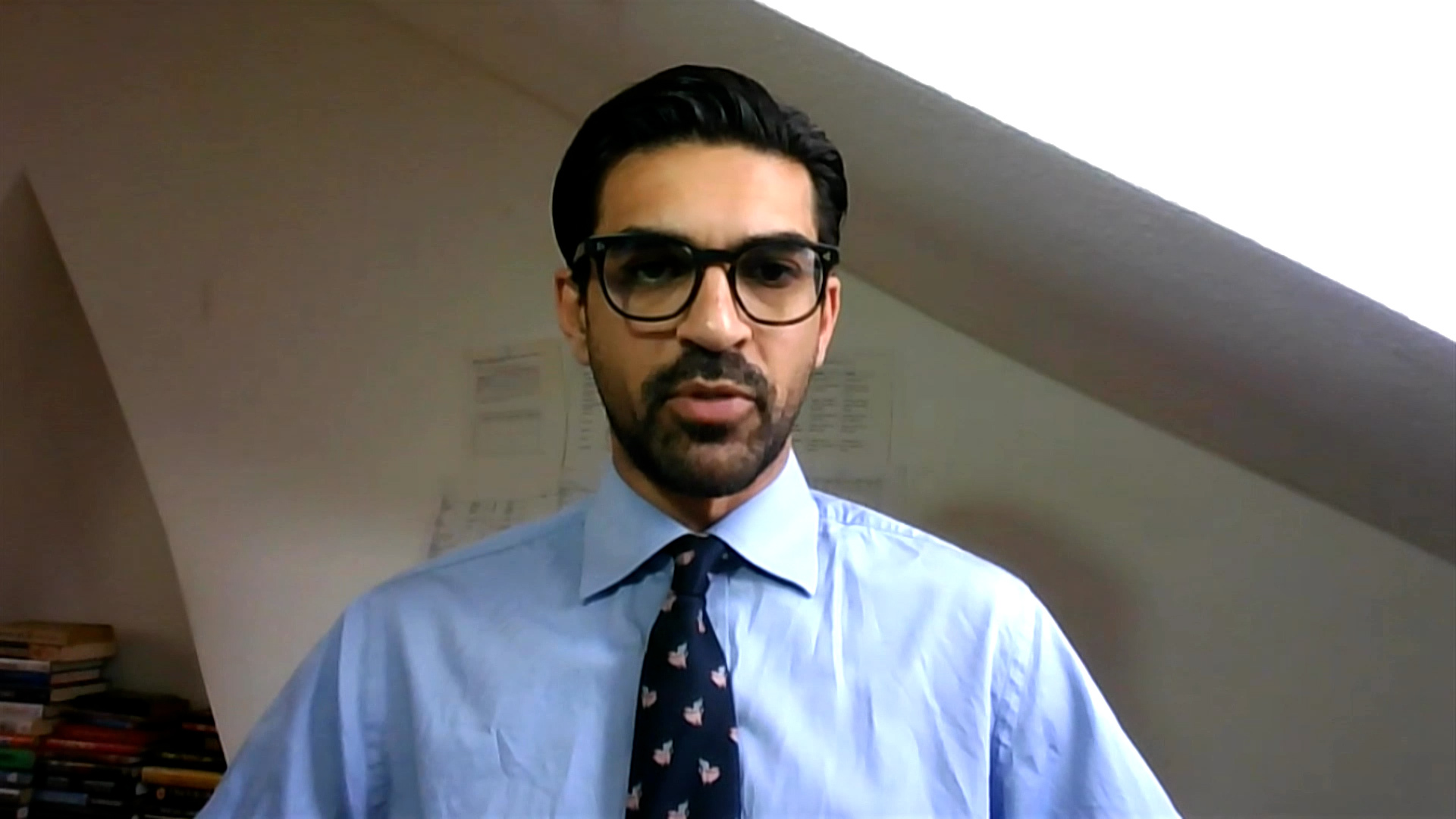
Analysts observing the situation have voiced considerable doubt about the prospects of Tehran agreeing to Washington's terms. According to analyst Alex Scheers, a key concern is that "nothing concrete is in place" to facilitate such an agreement. This assessment highlights the absence of a clear, mutually agreeable path forward, beyond the articulation of demands by one party.
"Nothing concrete is in place," stated analyst Alex Scheers, underscoring the significant challenges in reaching an agreement with Tehran based on Washington's current demands.
The lack of concrete mechanisms could refer to several factors: the absence of direct, high-level diplomatic channels, a deficit of trust-building measures, or the lack of a comprehensive incentive package that could persuade Iran to reconsider its established positions. Without such foundational elements, the proposed framework risks remaining a set of aspirations rather than a realistic diplomatic blueprint.
Historical Context and Future Challenges
Past attempts to negotiate with Iran have demonstrated the complexity of the issues at stake. The JCPOA, for instance, took years of intricate diplomacy involving multiple world powers to achieve. The current situation, characterized by heightened tensions and a lack of direct engagement, presents an even more formidable challenge.
For any framework to be considered realistic, it would likely need to address Iran's security concerns, offer tangible economic benefits, and be perceived by Tehran as a respectful and equitable negotiation, rather than a unilateral imposition. The current U.S. approach, as perceived by many, often falls short of these criteria.
Moreover, the political landscape in both countries plays a crucial role. In the U.S., shifts in administration can lead to dramatic changes in foreign policy, as evidenced by the U.S. withdrawal from the JCPOA. In Iran, the hardline political establishment often views concessions to the West with suspicion, making it difficult for any Iranian government to accept terms perceived as detrimental to national sovereignty or security.
Conclusion
In summary, while the U.S. has articulated a framework for engaging with Iran, the feasibility of Tehran accepting these demands appears low, particularly given the current diplomatic stalemate and the absence of concrete, mutually acceptable negotiation parameters. The deep-seated distrust, differing national interests, and the lack of established diplomatic pathways all contribute to the significant skepticism surrounding the realism of such a framework.
Source: Al Jazeera
Related Articles
 politics
Ethiopia's Electoral Process: A Step Towards Democratic Consolidation Amidst Challenges
 politics
Ethiopia's Electoral Landscape Amidst Human Rights Concerns
 politics
Ethiopia Prepares for General Elections Post-Tigray Peace Accord
 politics