
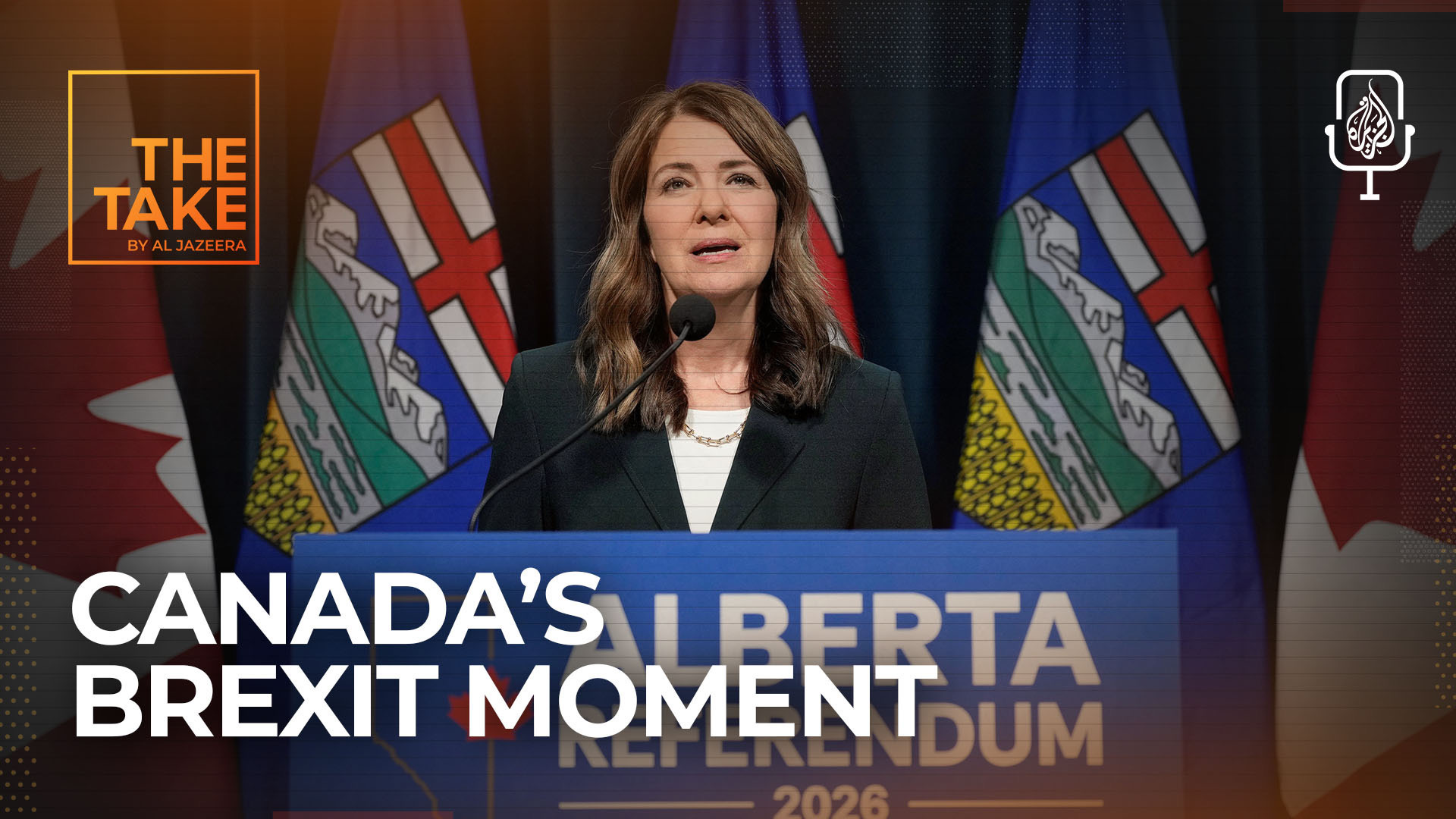
Examining Alberta's Rising Separatist Movement
Canada is currently navigating a significant period of internal debate regarding national unity, largely fueled by an increasing separatist sentiment within Alberta. This provincial movement, which advocates for greater autonomy or outright independence, is drawing comparisons to historical moments of national division and is prompting a closer look at the factors contributing to its growth.
Historical Context of Canadian Unity Debates
Canada, a nation built on a federal system, has a history of regional tensions and debates over provincial powers versus federal authority. Quebec's sovereignty movements in the late 20th century stand as prominent examples of how provincial identities and grievances can challenge the national fabric. While the current situation in Alberta differs in its specific motivations and historical background, the underlying theme of a region feeling disconnected from the federal center echoes these past challenges.
The concept of 'Western alienation' has been a recurring theme in Canadian politics, particularly in Alberta and Saskatchewan, reflecting a perception that the federal government does not adequately represent their interests.
For many in Alberta, a province rich in natural resources, particularly oil and gas, the perception of being overlooked or unfairly treated by the federal government has been a long-standing grievance. Economic policies, environmental regulations, and resource revenue sharing are frequently cited as points of contention that fuel a sense of marginalization within the federation.
Factors Contributing to Alberta's Separatist Momentum
Several key factors appear to be contributing to the increasing support for separatist ideas in Alberta:
- Economic Discontent: Alberta's economy is heavily reliant on the energy sector. Fluctuations in global oil prices, coupled with federal environmental policies perceived as detrimental to the industry, have led to economic downturns and job losses. Many Albertans feel that federal policies hinder their economic prosperity and fail to acknowledge the province's significant contributions to the national economy.
- Perception of Political Marginalization: There is a widespread belief among some Albertans that their province's voice is not adequately heard or respected in Ottawa. This sentiment is often exacerbated by federal decisions that are seen as prioritizing other regions or national agendas over Alberta's specific needs and interests.
- Cultural and Ideological Differences: Alberta is often characterized by a more conservative political landscape compared to other parts of Canada, particularly central and eastern provinces. These ideological differences can lead to clashes over policy priorities, from fiscal management to social issues, further deepening the sense of a divide.
- Influence of Political Leadership: Certain political figures and movements within Alberta have actively championed greater provincial autonomy or separation, giving a platform and legitimacy to these discussions. Their rhetoric often resonates with a segment of the population that feels frustrated with the status quo.
Potential Implications for Canada
Should the separatist movement in Alberta continue to gain traction, it could have profound implications for Canada. At a minimum, it could lead to increased political instability and prolonged debates over constitutional amendments and provincial powers. In a more extreme scenario, it could trigger a referendum on separation, similar to those held in Quebec, which would force the country to confront fundamental questions about its future.
The current situation necessitates a careful and nuanced approach from both provincial and federal governments. Addressing the legitimate grievances of Albertans, fostering open dialogue, and demonstrating a commitment to regional interests while maintaining national cohesion will be crucial in navigating this evolving challenge to Canadian unity.
Related Articles
 politics
Ethiopia's Electoral Process: A Step Towards Democratic Consolidation Amidst Challenges
 politics
Ethiopia's Electoral Landscape Amidst Human Rights Concerns
 politics
Ethiopia Prepares for General Elections Post-Tigray Peace Accord
 politics