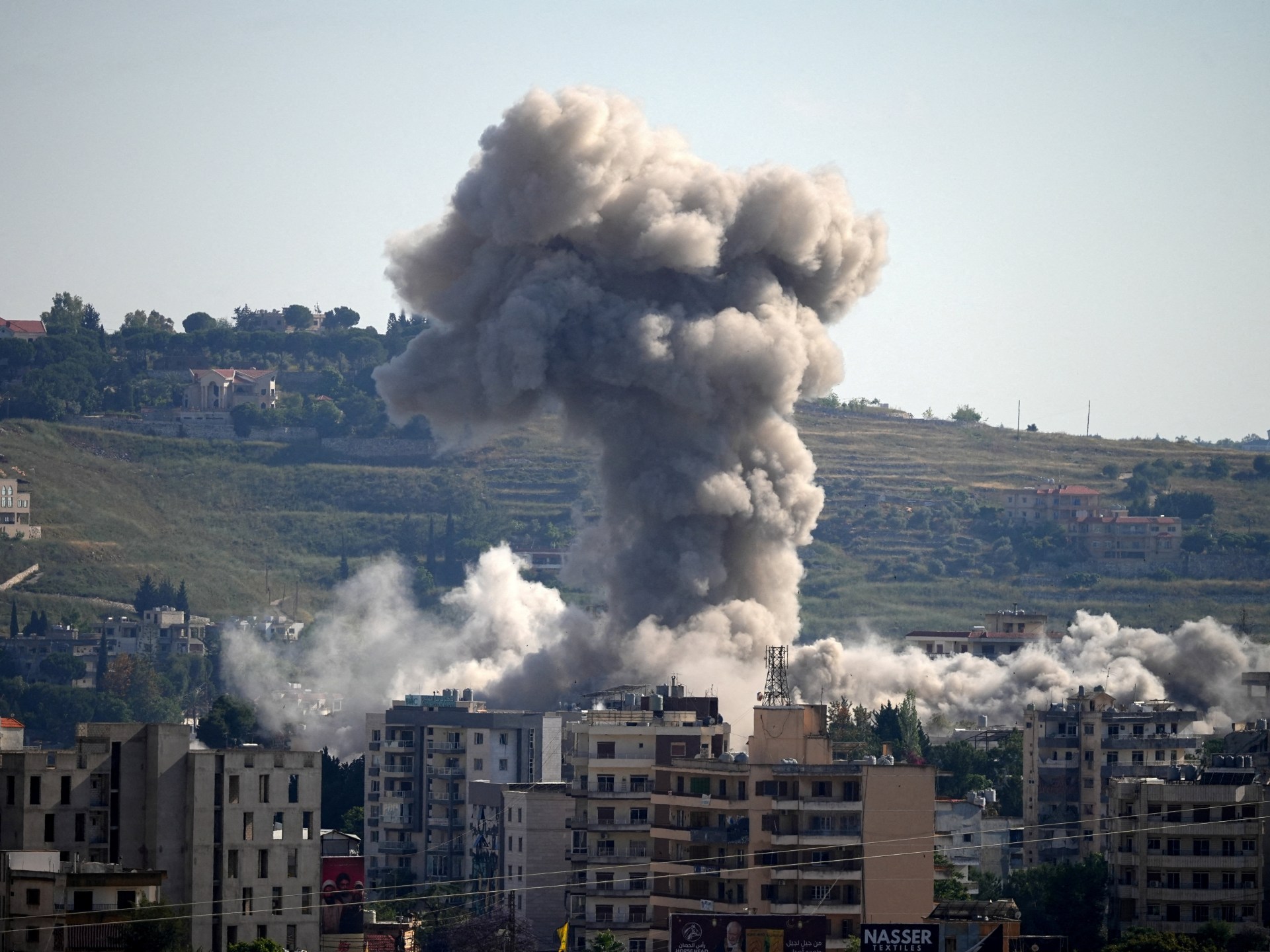
US Initiative Seeks Stability in Lebanon
Washington has reportedly introduced a comprehensive 'roadmap' designed to facilitate a gradual reduction of hostilities and promote a more peaceful atmosphere within Lebanon, as stated by a US official familiar with the details. This diplomatic effort underscores a commitment to regional stability, particularly in an area frequently impacted by geopolitical complexities.
The Objectives of the Proposed Roadmap
The core objective of the US initiative is to establish an environment conducive to a progressive de-escalation of all forms of conflict and the eventual cessation of hostilities. This strategic approach suggests a recognition that immediate, drastic changes may be less effective than a carefully phased process. The proposal likely outlines a series of steps and benchmarks intended to guide the involved parties towards a more stable coexistence.
While specific details of the 'roadmap' have not been publicly disclosed, such diplomatic frameworks typically involve:
- Phased Withdrawal: Suggesting a structured pull-back of military forces or armed groups from specific areas.
- Security Guarantees: Offering assurances to all parties regarding their safety and territorial integrity.
- Confidence-Building Measures: Proposing actions that can help rebuild trust between adversaries, such as prisoner exchanges or shared humanitarian efforts.
- International Monitoring: Potentially involving third-party observation to ensure compliance with agreed-upon terms.
- Dialogue Facilitation: Creating platforms for ongoing communication and negotiation among Lebanese factions and potentially external actors.
Context of Regional Tensions
The US proposal arrives at a critical juncture, with Lebanon grappling with multifaceted challenges, including political fragmentation, economic distress, and the lingering effects of regional conflicts. The border region between Lebanon and its southern neighbor has been a particular flashpoint, experiencing intermittent clashes and heightened military activity. These incidents often risk broader escalation, drawing in various state and non-state actors.
International observers and regional powers have expressed consistent concern over the potential for a wider conflict in the Levant. Diplomatic efforts, such as the one reportedly advanced by the US, are often seen as crucial in preventing such an outcome and maintaining a fragile peace.
The Role of International Diplomacy
The involvement of the United States in proposing such a 'roadmap' highlights the significant role that international diplomacy plays in managing and mitigating conflicts in volatile regions. As a key global actor, the US often leverages its diplomatic influence to foster stability, mediate disputes, and encourage peaceful resolutions.
This particular initiative suggests a proactive stance, aiming not just to react to crises but to preemptively lay groundwork for long-term peace. The success of such a plan, however, will heavily depend on the willingness of all relevant parties within Lebanon and the broader region to engage constructively and commit to the proposed steps.
"The plan aims to create a conducive environment for a gradual de-escalation and cessation of all hostilities," a US official stated, emphasizing the incremental nature of the proposed pathway to peace.
The implementation of any de-escalation plan in Lebanon faces inherent complexities, given the diverse political landscape and the presence of numerous armed groups with varying allegiances. Securing consensus among these entities will be a formidable challenge for any diplomatic endeavor.
Source: Al Jazeera