Confirmation of Death
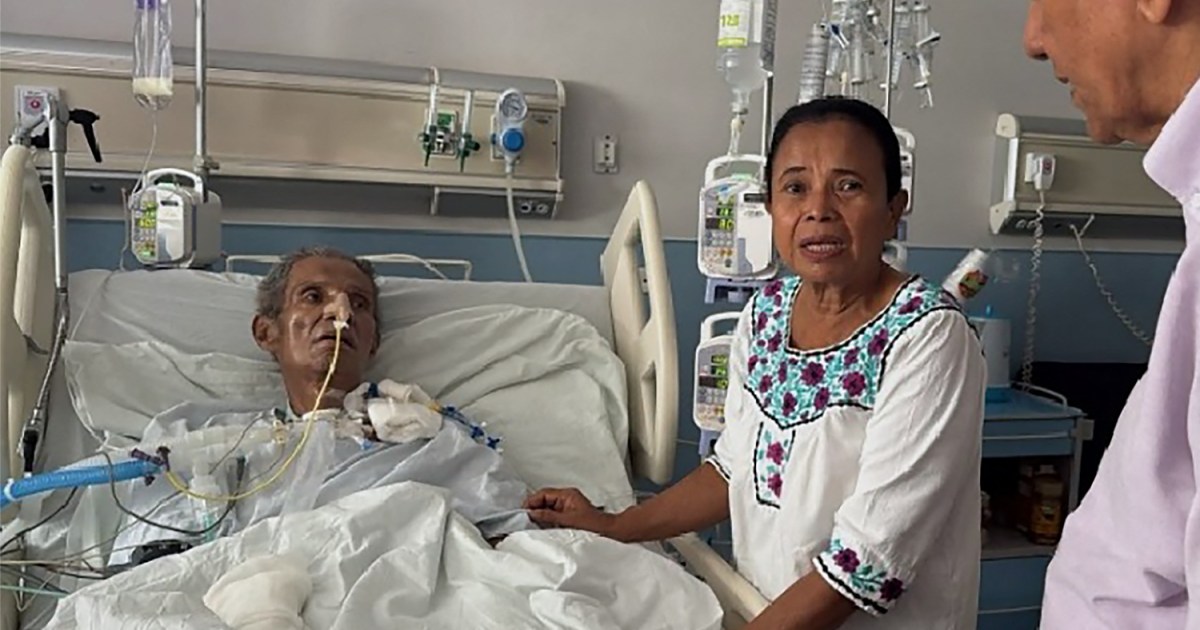
Nicaraguan officials have announced the death of prominent Indigenous leader Brooklyn Rivera, who had been held in state custody for an extended period. The confirmation follows nearly three years of detention for Rivera, during which he was largely isolated from external contact, prompting significant apprehension among human rights organizations and his supporters regarding his health and treatment.
Background of Brooklyn Rivera
Brooklyn Rivera was a highly recognized figure in Nicaragua, particularly within the Miskito Indigenous community. Throughout his career, he was a vocal advocate for Indigenous rights, land sovereignty, and political representation for the country's Atlantic Coast regions. His activism often placed him in opposition to government policies, leading to periods of both collaboration and intense conflict with various administrations.
Rivera's political journey included serving multiple terms as a representative in Nicaragua's National Assembly, where he consistently championed issues affecting Indigenous peoples. He was a co-founder of YATAMA (Yapti Tasba Masraka Nanih Asla Takanka), an Indigenous political party that has historically played a crucial role in advocating for the autonomy and self-determination of the Miskito, Sumo, and Rama communities, as well as Creole populations.
Circumstances of Detention
The exact circumstances surrounding Brooklyn Rivera's initial detention and the specifics of the charges, if any, were not widely publicized. His arrest and subsequent prolonged isolation drew immediate condemnation from international human rights groups. These organizations frequently highlighted the lack of transparency surrounding his case, the denial of access to legal counsel, and the inability of his family to visit him, all of which are common concerns in cases of political detention in Nicaragua.
Advocates had repeatedly called for Rivera's release or, at minimum, for authorities to provide clear information about his status and allow him contact with the outside world. The extended period of incommunicado detention fueled fears about his physical and mental health, given the potential for harsh conditions and lack of medical attention in such environments.
Human rights organizations had consistently voiced profound concerns over Mr. Rivera's well-being, citing the prolonged lack of communication and access to legal or family visits during his detention.
Implications of the Death
The death of Brooklyn Rivera in state custody is likely to intensify international scrutiny on Nicaragua's human rights record, particularly concerning the treatment of political prisoners and Indigenous leaders. It raises further questions about due process, the rule of law, and the conditions within the country's detention facilities. For the Miskito community and other Indigenous groups, Rivera's death represents a significant loss of a prominent voice and leader. It could potentially exacerbate existing tensions between Indigenous communities and the central government, who have long struggled over land rights, resource control, and political autonomy.
International bodies and various governments have frequently criticized Nicaragua for what they describe as a crackdown on dissent, the erosion of democratic institutions, and the imprisonment of political opponents. Rivera's death adds another layer to these ongoing concerns, potentially prompting renewed calls for investigations into the circumstances of his detention and death, as well as broader demands for accountability and respect for human rights in Nicaragua.
Source: Al Jazeera