Diplomatic Efforts Intensify Amidst Regional Instability
The international community is closely monitoring the escalating situation in the Middle East, with particular attention to recent military engagements and their potential broader implications. Diplomatic channels are increasingly active as nations seek to address the rising tensions and prevent further destabilization in the region.
France Seeks UN Security Council Intervention
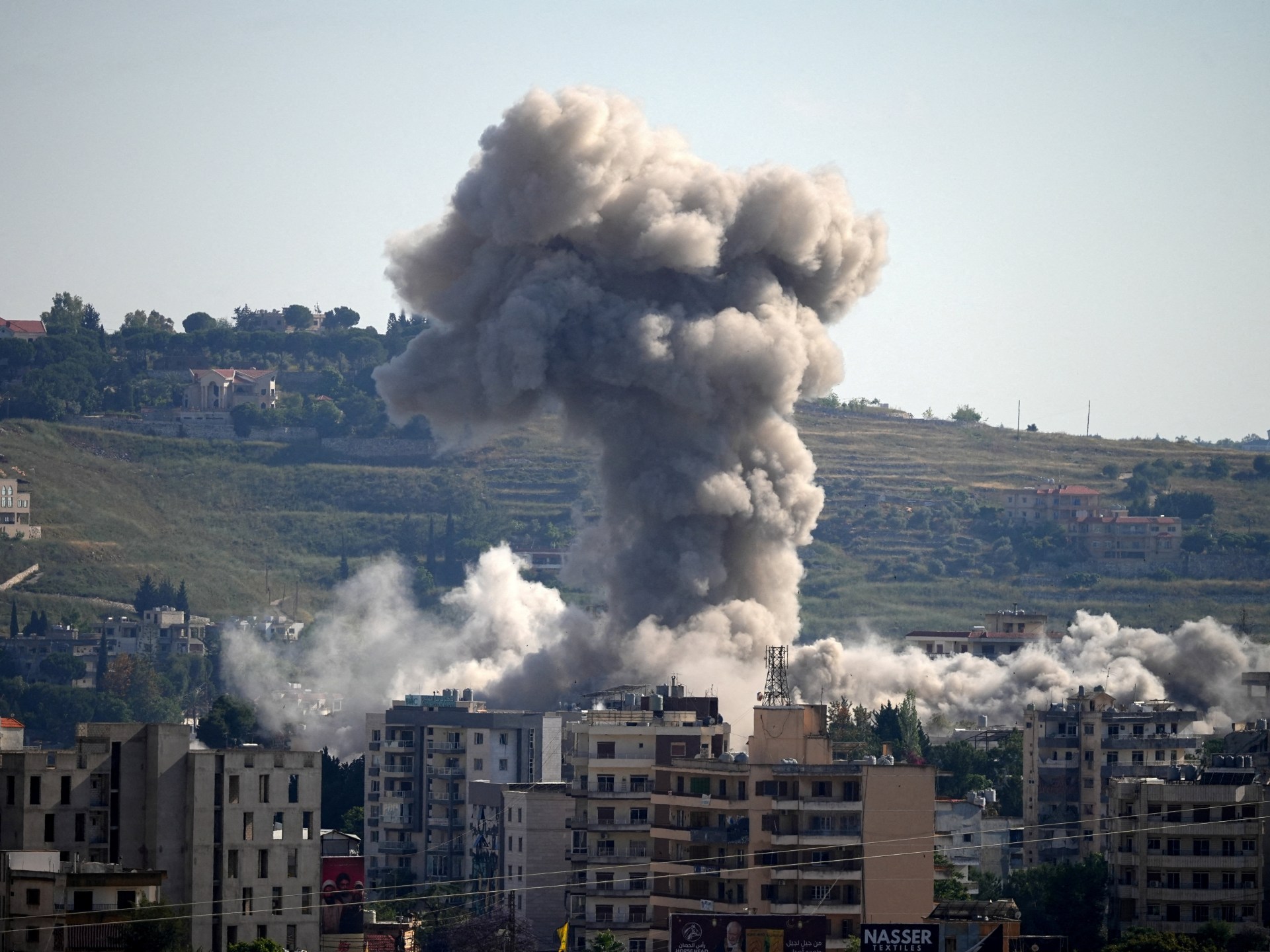
France has formally requested an urgent meeting of the United Nations Security Council to discuss the expanding military activities in Lebanon. This move underscores the growing international apprehension regarding the scope and potential consequences of these operations. The French government's call for a Security Council session highlights a desire for a collective international response and a platform for dialogue among member states to de-escalate the conflict.
The Security Council, responsible for maintaining international peace and security, would likely explore various avenues during such a meeting, including calls for ceasefires, humanitarian access, and diplomatic resolutions. The involvement of the UN's highest body for peace and security signals the perceived gravity of the situation and the potential for wider regional ramifications if left unaddressed.
Ongoing US-Iran Discussions Confirmed
Amidst the heightened regional tensions, Iran has confirmed that discussions with the United States are ongoing. While the nature and specifics of these talks remain largely undisclosed, their continuation suggests that diplomatic lines are open between Washington and Tehran, even as other conflicts unfold in the region. Such dialogues are often critical in managing complex geopolitical landscapes and can serve as a conduit for de-escalation or for addressing specific points of contention.
The continuation of diplomatic engagement between key regional and global actors, even during periods of increased conflict, is often seen as a vital component in preventing further escalation and exploring pathways to peace.
The confirmation of these talks comes at a time when military actions in various parts of the Middle East are drawing global attention. The ability of these discussions to influence the broader regional dynamics remains a key point of interest for international observers and policymakers.
Regional Developments and Their Impact
Reports from various sources indicate a dynamic and volatile situation across the region. While specific details of military engagements are often subject to rapid change and varying reports, the general trend points to an intensified period of conflict.
The focus on Lebanon by France's request to the UN Security Council suggests that the international community is particularly concerned about the potential for the conflict to spread or to inflict significant humanitarian consequences. Historically, cross-border military actions in this region have often led to broader instability, impacting civilian populations and creating refugee flows.
The unfolding events underscore the delicate balance of power and the intricate web of alliances and rivalries that characterize the Middle East. The international community's response, through bodies like the UN Security Council and bilateral diplomatic efforts, will be crucial in shaping the trajectory of these conflicts.
Source: Al Jazeera