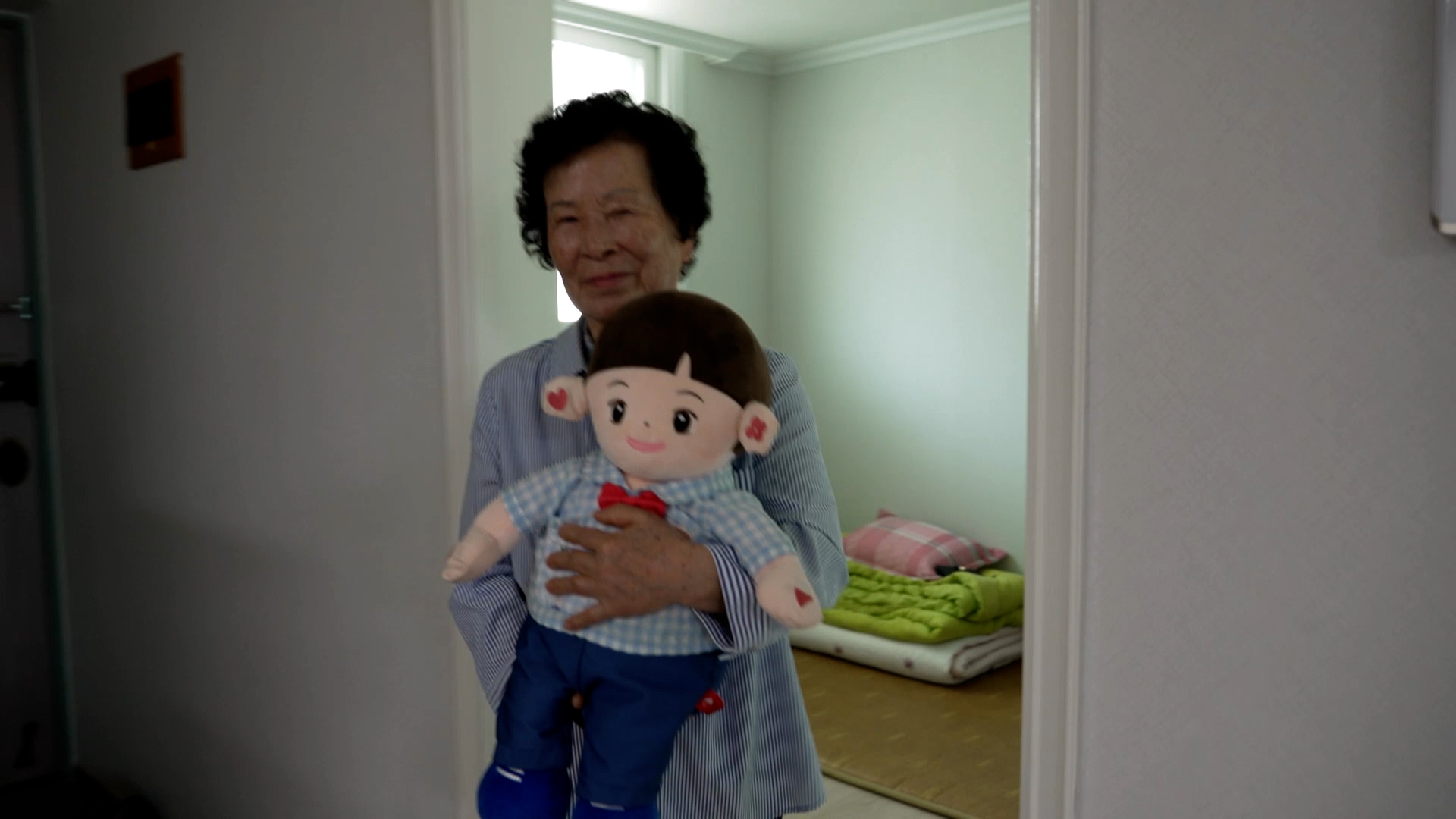
Addressing a Growing Social Challenge
South Korea is facing a significant demographic shift, characterized by one of the world's fastest-aging populations. This trend brings with it a host of societal challenges, prominent among them being the increasing prevalence of loneliness and social isolation among senior citizens. In response to this pressing issue, the nation is exploring innovative technological solutions, specifically the deployment of artificial intelligence (AI)-powered companion dolls, to offer support and companionship to its elderly.
The Loneliness Epidemic Among Seniors
The issue of loneliness in older adults is not unique to South Korea, but the country's demographic trajectory amplifies its urgency. Factors contributing to this isolation often include the loss of spouses and friends, geographic separation from family members, and reduced physical mobility, which can limit social engagement. Prolonged loneliness has been linked to various negative health outcomes, including an increased risk of cognitive decline, depression, and other chronic illnesses, underscoring the critical need for effective interventions.
AI-Powered Companions: A New Approach
The initiative involves providing seniors with interactive dolls equipped with AI capabilities. These companions are designed to engage users in various ways, aiming to simulate aspects of human interaction and provide a sense of presence. The technology is programmed to respond to verbal cues, initiate conversations, and even perform simple tasks or reminders. The goal is not to replace human interaction but to supplement it, offering a consistent and accessible form of companionship that might otherwise be lacking.
The integration of AI technology into companion devices represents a novel strategy in public health, seeking to leverage technological advancements to address complex social issues like elderly loneliness.
How the Dolls Function
- Interactive Dialogue: The dolls are capable of understanding and generating speech, allowing for basic conversations with their owners. This conversational ability can help alleviate feelings of silence and provide a regular outlet for expression.
- Personalized Engagement: Some models may learn from interactions, adapting their responses and topics to better suit the individual preferences and routines of their users.
- Reminders and Support: Beyond conversation, these devices can be programmed to offer practical assistance, such as reminding seniors about medication schedules, appointments, or even encouraging light physical activity.
- Emotional Comfort: For many, the physical presence of a doll, combined with its interactive features, can offer a sense of comfort and reduce feelings of being alone.
Potential Benefits and Considerations
Proponents of this initiative highlight several potential benefits. For seniors who live alone or have limited social contact, these AI companions could provide a much-needed source of interaction and mental stimulation. They might also offer reassurance to family members who are unable to be physically present as often as they would like. Furthermore, by addressing loneliness, the project aims to indirectly improve the overall well-being and potentially the health outcomes of the elderly population.
However, the implementation of such technology also raises important considerations. Ethical discussions often revolve around the nature of companionship provided by a non-human entity and the potential for over-reliance on technology. Questions about data privacy, the cost of these devices, and ensuring equitable access across different socio-economic groups are also part of the broader conversation. It is crucial to balance the potential advantages with a thoughtful consideration of these challenges.
Looking Ahead
South Korea's venture into AI-powered companions for seniors represents a proactive step in addressing a significant societal challenge. As the project evolves, ongoing evaluation will be vital to assess its effectiveness, understand the long-term impacts on the well-being of the elderly, and refine the technology and its deployment strategies. The outcomes of this initiative could offer valuable insights for other nations grappling with similar demographic shifts and the complex issue of elderly loneliness.
Source: Al Jazeera