
US Confirms Strike on Tren de Aragua Leader
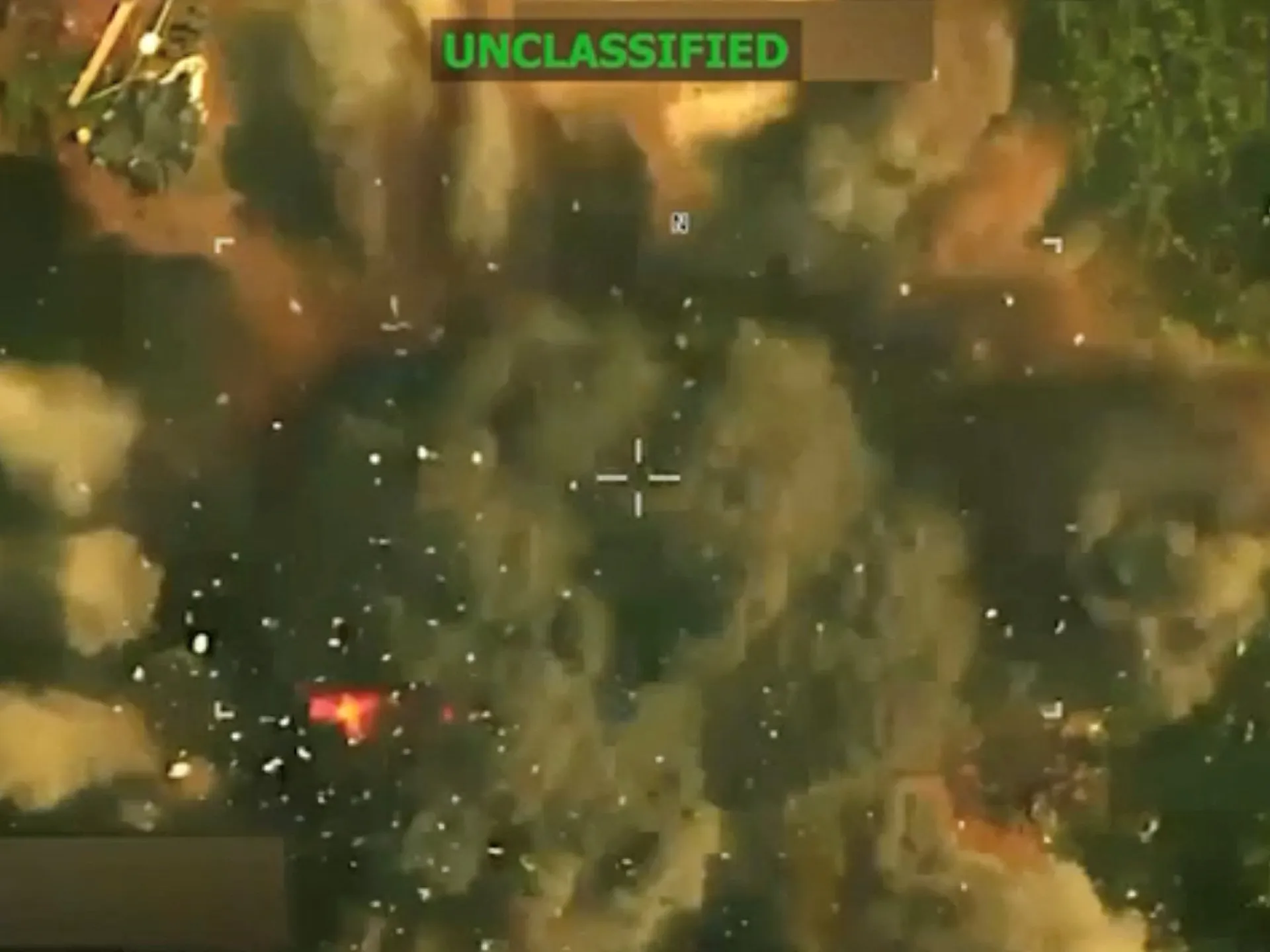
United States President Donald Trump announced that a US military operation led to the death of Hector Rusthenford Guerrero Flores, also known as 'Niño Guerrero', who was identified as a key figure in the Venezuelan criminal syndicate Tren de Aragua. The organization has been designated a global 'terrorist' entity and drug-smuggling cartel by the Trump administration.
President Trump conveyed the information through a post on his Truth Social platform, stating, "At my direction, the United States Southern Command delivered a swift and lethal kinetic strike to successfully execute Niño Guerrero." This statement indicated a direct US involvement in the operation targeting the gang leader.
Venezuelan Government Confirms Participation
Significantly, the Venezuelan government issued a statement confirming its participation in the operation. According to Venezuela, Flores was killed during "clashes with members of criminal groups" in the southeastern state of Bolivar. This suggests a level of cooperation between the US and Venezuelan authorities in the effort to counter the criminal organization.
US Defense Secretary Pete Hegseth further corroborated the details, posting on X that the strike had occurred earlier in the week, specifically targeting a Tren de Aragua location within Venezuela. Hegseth's post underscored what he described as a "shared US and Venezuelan commitment to take the fight to narco-terrorists and deny them any safe haven in our hemisphere." This narrative points to a joint effort against a common threat, despite often strained diplomatic relations between the two nations.
Origins and Scope of Tren de Aragua
Tren de Aragua originated from the Tocoron prison in Venezuela's Aragua state, from which it expanded its operations to control an extensive network involved in drug trafficking and other criminal activities. The group is estimated to have approximately 7,000 members, with its influence extending across various South American countries and into the United States.
The US government formally designated Tren de Aragua as a terrorist organization in February 2025, early in the Trump administration's term. This designation has been echoed by several other nations, including Ecuador, Argentina, Peru, Canada, and Trinidad and Tobago, reflecting a broad international concern over the group's activities.
Flores's Criminal History and Legal Proceedings
Hector Rusthenford Guerrero Flores, 42, had a notable history of evading law enforcement. He reportedly escaped from the Tocoron prison in 2023, along with several other gang leaders, shortly before a significant police raid on the facility. Following his escape, he was charged in absentia in a New York court in December with various offenses, including racketeering conspiracy and providing support to terrorists.
Washington has previously cited connections to Tren de Aragua to justify a series of maritime strikes in the Pacific and Caribbean, which were purportedly aimed at the gang. These operations have reportedly resulted in at least 207 fatalities. However, some family members of those killed have asserted that the victims were fishermen, raising questions about the targeting of these strikes. Legal scholars and human rights organizations have criticized these operations, describing them as potentially illegal under both US and international law and characterizing them as extrajudicial killings.
Broader Implications and Controversies
The Trump administration has also linked the activities of Tren de Aragua to its immigration policies, particularly in justifying the deportation of certain immigrants to a maximum-security prison in El Salvador. Furthermore, President Trump has, without providing specific evidence, claimed that the criminal group operated under the protection of Venezuelan President Nicolas Maduro.
In a related development earlier in the year, US troops were involved in an incident in January, reportedly kidnapping President Maduro and First Lady Cilia Flores during a raid on their residence in Caracas. Following this event, Maduro now faces federal drug charges in the United States. These events highlight the complex and often confrontational relationship between the US and Venezuela, even as they appear to have found common ground in targeting specific criminal organizations.
Source: Original Article
Related Articles
 world
world
Global Water Crisis: Satellite Imagery Reveals Ten Disappearing Freshwater Sources
 world
world
Escalating Tensions: Israeli Actions in Lebanon Jeopardize US-Iran Agreement
 world
world
G7 Leaders Pledge Enhanced Support for Ukraine and Stricter Sanctions on Russia
 world
world