
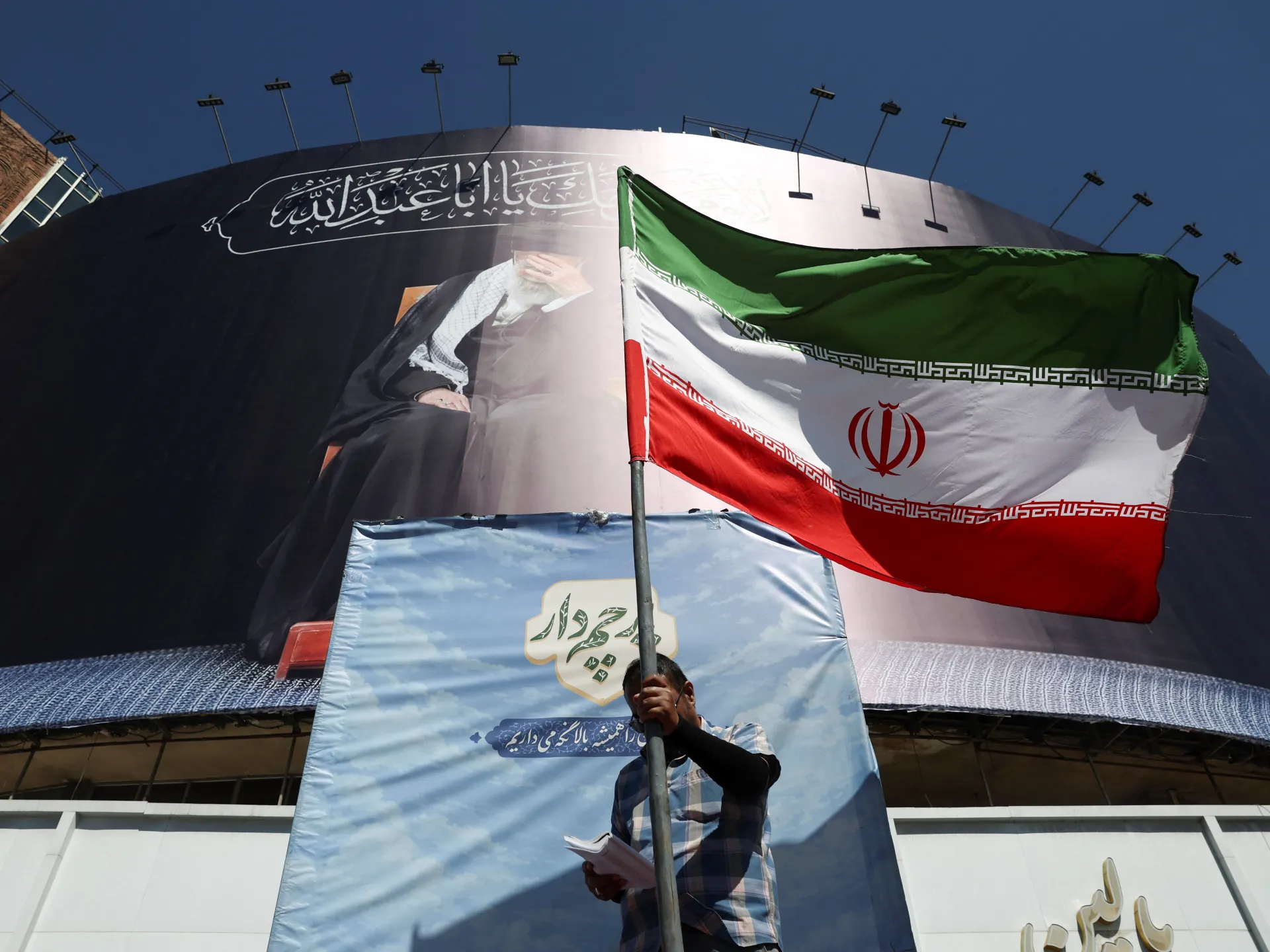
Iran Issues Stern Warning Amid Lebanese Strikes
Iran has voiced strong accusations against Israel, claiming a consistent pattern of violating the truce established in Lebanon, which is intrinsically linked to a broader understanding with the United States. Tehran has cautioned that persistent Israeli military actions could provoke a significant retaliatory response. These statements follow recent Israeli strikes in southern Lebanon that reportedly resulted in four fatalities.
The diplomatic friction extends to key international players. US President Donald Trump recently publicly urged Israeli Prime Minister Benjamin Netanyahu to exercise greater responsibility in Lebanon, highlighting the growing strain in their relationship. Iranian Foreign Minister Abbas Araghchi has reiterated that any comprehensive agreement with Washington must encompass several crucial elements: the lifting of sanctions, the release of frozen Iranian assets, and the withdrawal of Israeli forces from Lebanon.
The Iranian Perspective: Lebanon Central to Any Deal
Iranian officials have consistently emphasized that a region-wide ceasefire, particularly in Lebanon, is an indispensable component of any accord reached with the United States. This stance underscores the strategic importance Tehran places on stability in its immediate neighborhood, viewing it as integral to broader diplomatic resolutions.
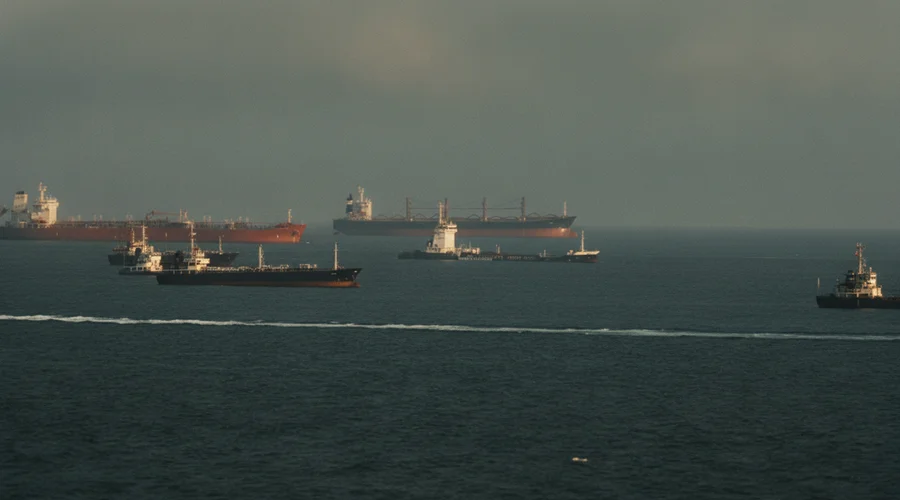
In a related development, a third Iranian oil tanker, the Sonia I, reportedly navigated past the US Navy's designated 'blockade line' in the Gulf of Oman, carrying one million barrels of crude oil. This follows the successful passage of two other Iranian tankers, collectively transporting 3.8 million barrels. Tehran asserts that its agreement with Washington includes an immediate cessation of the US naval blockade on Iranian ports, signaling a significant shift in maritime trade dynamics.
Diplomatic Weigh-ins and Potential Pitfalls
Analysts are closely observing the situation, with some warning that continued hostilities in Lebanon could derail the nascent US-Iran agreement. Doug Bandow, a senior fellow at the Cato Institute and former aide to US President Ronald Reagan, suggested that the agreement's stability hinges on Washington's willingness to exert substantial pressure on Israel to cease its attacks in Lebanon. Bandow highlighted the significant leverage the US possesses through its military and financial support for Israel, yet noted a historical reluctance among American presidents to withhold such aid for extended periods.
“If Trump does not apply real pressure, if he can’t find a way to do so, it’s going to turn out to be theatrics,” Bandow commented. “And the Iranians are not likely to find that satisfactory. It could blow up the agreement.” This perspective suggests that without genuine American intervention, the diplomatic progress could be superficial and ultimately unsustainable.
Conversely, Canadian Prime Minister Mark Carney has offered a more optimistic assessment, describing a preliminary copy of the agreement as having “exceeded my expectations.” Speaking to CNN, Carney expressed satisfaction with the deal, though its specific terms have not yet been publicly disclosed, indicating a positive outlook from some international observers.
US and Israeli Internal Dynamics
From the American perspective, Vice President JD Vance articulated the agreement's core tenets: Iran must not acquire nuclear weapons, the Strait of Hormuz must remain open, and Iran stands to gain substantial benefits if it adheres to these conditions. Vance stated, “If they stop funding terrorism … they actually can get some real benefits. If they don’t do any of that stuff, they don’t get anything.” He concluded by asserting, “The United States wins either way,” reflecting a confidence in the deal's framework regardless of Iran's future actions.
In Israel, domestic political maneuvers and public sentiment present a complex picture. Reports from Ramallah indicate that Israeli Finance Minister Bezalel Smotrich's decision to transfer planning powers in Hebron to the Israeli military is perceived as undermining the 1997 Hebron Agreement, which partitioned the city between Palestinian and Israeli control. This move is seen by some as part of a broader push towards de facto annexation, potentially aimed at bolstering support for the ruling coalition and diverting attention from growing tensions with Washington linked to the US-Iran deal.
Public opinion in Israel regarding the US-Iran agreement appears largely skeptical. A survey conducted by Israel's public broadcaster Kan revealed that only 18 percent of Israelis support the deal, while a significant 55 percent oppose it. Despite recent military strikes against Iran, 70 percent of respondents expressed continued apprehension regarding the Iranian threat. The poll also indicated divided views on former President Donald Trump's future stance towards Israel, with 40 percent believing he will remain a “great friend of Israel” and 32 percent anticipating a change in his position.
Lebanon Bears the Brunt of Renewed Hostilities
The immediate human cost of the escalating tensions is evident in Lebanon. The National News Agency reported that at least four individuals were killed in Israeli drone strikes in Lebanon’s Nabatieh governorate. These attacks occurred despite an existing ceasefire and the reported US-Iran understanding to halt fighting “on all fronts, including Lebanon.” Such incidents are likely to intensify Iranian accusations of Israeli non-compliance with the agreement, further jeopardizing its stability and potential for collapse.
Source: Original Article
Related Articles
 world
world
Global Water Crisis: Satellite Imagery Reveals Ten Disappearing Freshwater Sources
 world
world
G7 Leaders Pledge Enhanced Support for Ukraine and Stricter Sanctions on Russia
 world
world
Iranian Oil Tankers Depart Blockade Zone Ahead of US-Iran Peace Negotiations
 world
world