
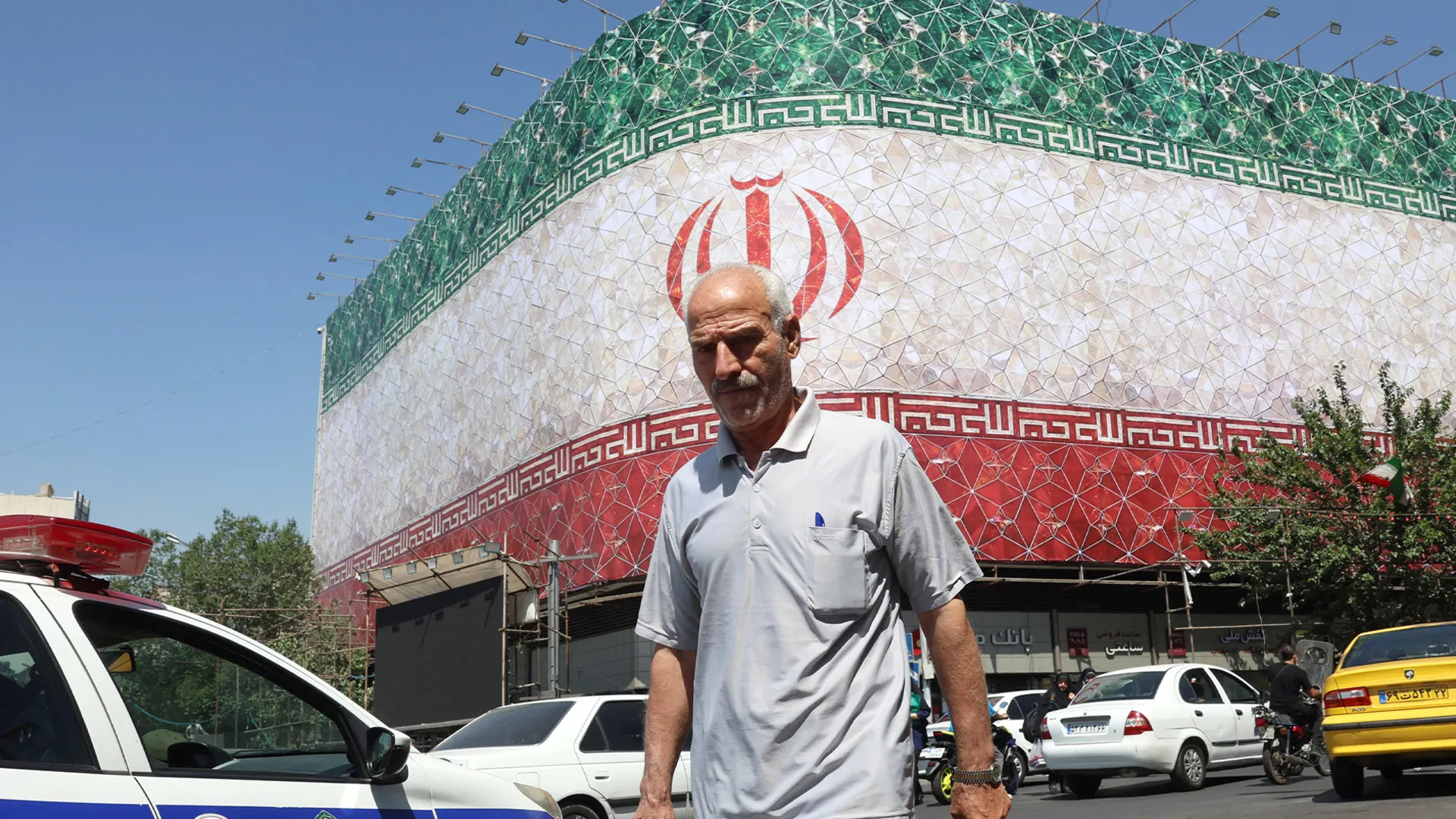
Preliminary Agreement Reached Between US and Iran
Both the United States and Iran have announced a foundational understanding aimed at concluding military engagements across various fronts and guaranteeing open access to the strategically vital Strait of Hormuz. This development, while framed by both nations as a significant step forward, precedes a complex phase of detailed negotiations where many critical aspects are yet to be resolved.
Strait of Hormuz: A Central Point of Discussion
The Strait of Hormuz, a narrow maritime chokepoint connecting the Persian Gulf with the Arabian Sea and the Indian Ocean, is globally significant for oil shipments. Its unimpeded operation is crucial for international energy markets. The agreement to open the Strait, which has been a flashpoint for tensions and naval incidents in the past, represents a key concession and a potential de-escalation measure. For Iran, ensuring its sovereignty and security interests in the Strait while facilitating international commerce will be a delicate balance. For the U.S. and its allies, guaranteeing freedom of navigation and preventing any future disruptions will be paramount.
Areas Requiring Further Negotiation
Despite the optimistic pronouncements, the path to a comprehensive and lasting resolution is fraught with challenges. Several critical areas demand extensive negotiation:
- Verification Mechanisms: Establishing robust and mutually acceptable mechanisms to verify the cessation of hostilities across all fronts will be crucial. This includes monitoring troop movements, military exercises, and any support for proxy forces.
- Sanctions Relief vs. Compliance: The issue of economic sanctions imposed on Iran by the U.S. remains a contentious point. Iran will likely seek significant sanctions relief as part of any deal, while the U.S. will tie such relief to verifiable compliance with the agreement's terms, including its nuclear program and regional activities. The sequencing and scope of sanctions removal will be a major sticking point.
- Regional Security Framework: The broader implications for regional security in the Middle East will need to be addressed. This includes Iran's relationships with neighboring countries, its ballistic missile program, and its influence in various regional conflicts. Any comprehensive agreement would ideally contribute to a more stable regional environment, but achieving consensus on this will be difficult given the historical animosities and competing interests.
- Addressing Proxy Forces: Both sides have accused each other of supporting various proxy groups in the region. A durable peace deal would necessitate clear commitments regarding the cessation of support for such groups, or at least a framework for de-escalation of their activities. Defining what constitutes a 'proxy force' and how to monitor such commitments will be complex.
- Defining 'All Fronts': The phrase 'end fighting on all fronts' is broad and requires precise definition. This could encompass conflicts in Yemen, Syria, Iraq, and potentially other areas where U.S. and Iranian interests, directly or indirectly, clash. Delineating the geographical and operational scope of this cessation will be a significant challenge.
- Future of the Nuclear Deal: While not explicitly mentioned as a direct point of this particular agreement, the future of Iran's nuclear program and the Joint Comprehensive Plan of Action (JCPOA) will undoubtedly cast a long shadow over any broader U.S.-Iran negotiations. Any lasting peace deal would likely need to incorporate or at least acknowledge the nuclear issue.
Claims of Victory Amidst Uncertainty
The fact that both the U.S. and Iran are claiming victory, even before the intricate details are hammered out, highlights the political sensitivities surrounding these discussions. For the U.S., a deal to de-escalate tensions and secure the Strait of Hormuz could be presented as a diplomatic achievement. For Iran, it could be seen as an acknowledgment of its regional influence and a step towards alleviating economic pressure. However, these early claims also underscore the significant pressure on negotiators to deliver tangible results that align with their respective national interests and domestic political considerations.
The road ahead is expected to be arduous, with a multitude of technical, political, and security issues requiring meticulous attention and compromise from both sides. The success of this preliminary agreement will ultimately depend on the willingness of both the United States and Iran to navigate these complex negotiations and translate their declared intentions into concrete, verifiable actions.
Source: Al Jazeera
Related Articles
 world
world
Global Water Crisis: Satellite Imagery Reveals Ten Disappearing Freshwater Sources
 world
world
Escalating Tensions: Israeli Actions in Lebanon Jeopardize US-Iran Agreement
 world
world
G7 Leaders Pledge Enhanced Support for Ukraine and Stricter Sanctions on Russia
 world
world