
Overview of Recent Developments
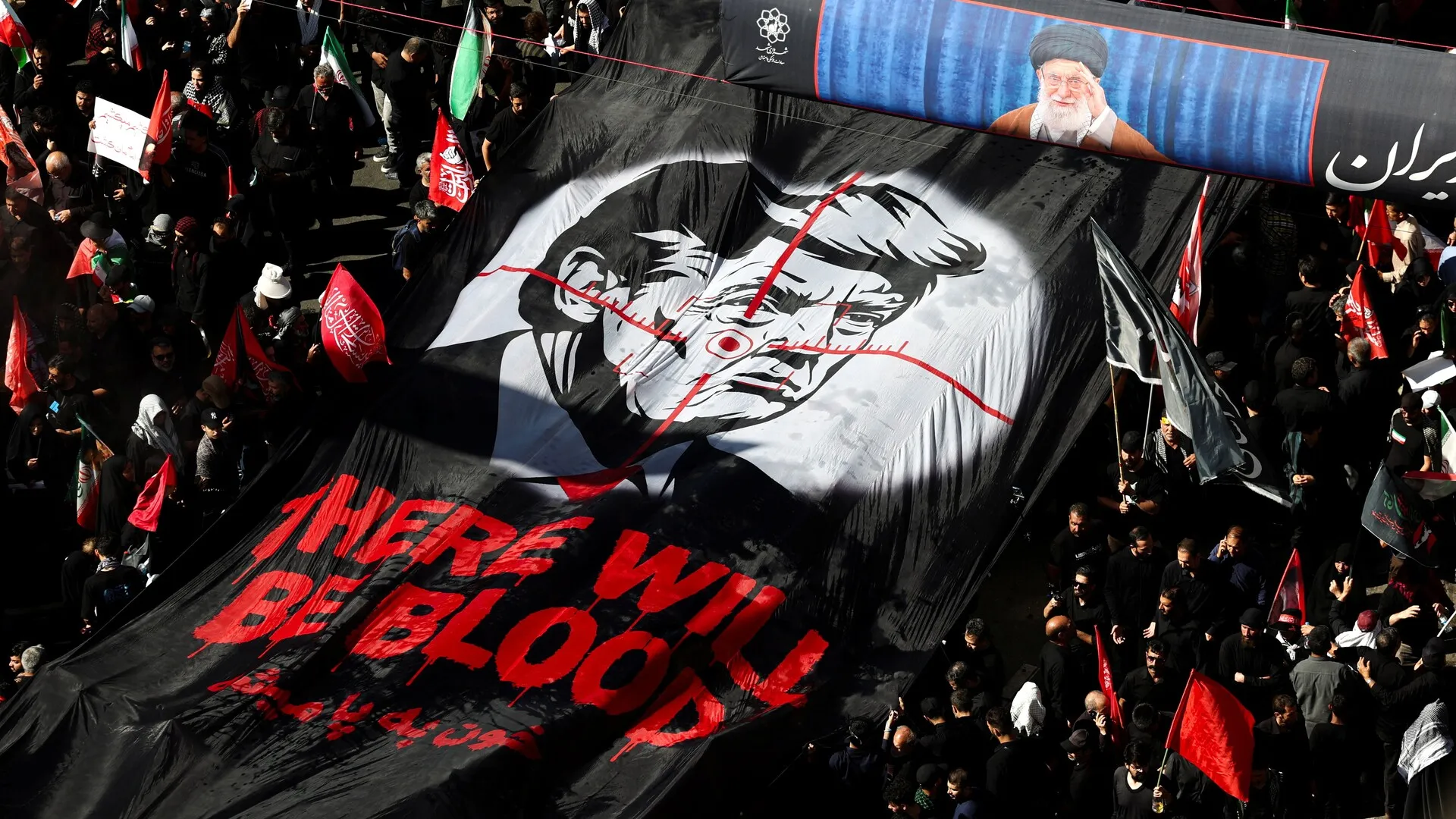
The relationship between the United States and Iran has recently experienced a notable increase in tension, prompting discussions about the status of the existing ceasefire between the two nations. Statements from both Iranian leaders and US President Donald Trump indicate a potential shift in the diplomatic landscape, with implications for regional stability.
Iranian Stance on Engagement
Iranian officials have consistently reiterated their commitment to national sovereignty and have conveyed a firm stance regarding their non-surrender policy. This position underscores a long-standing principle in Iranian foreign policy, emphasizing resilience in the face of external pressures. Such pronouncements are often interpreted as a signal of their resolve to maintain independent decision-making, particularly concerning matters of national security and international relations. The reiteration of this stance comes at a critical juncture, as international observers closely monitor any signs of de-escalation or further confrontation.
US Presidential Commentary on Ceasefire
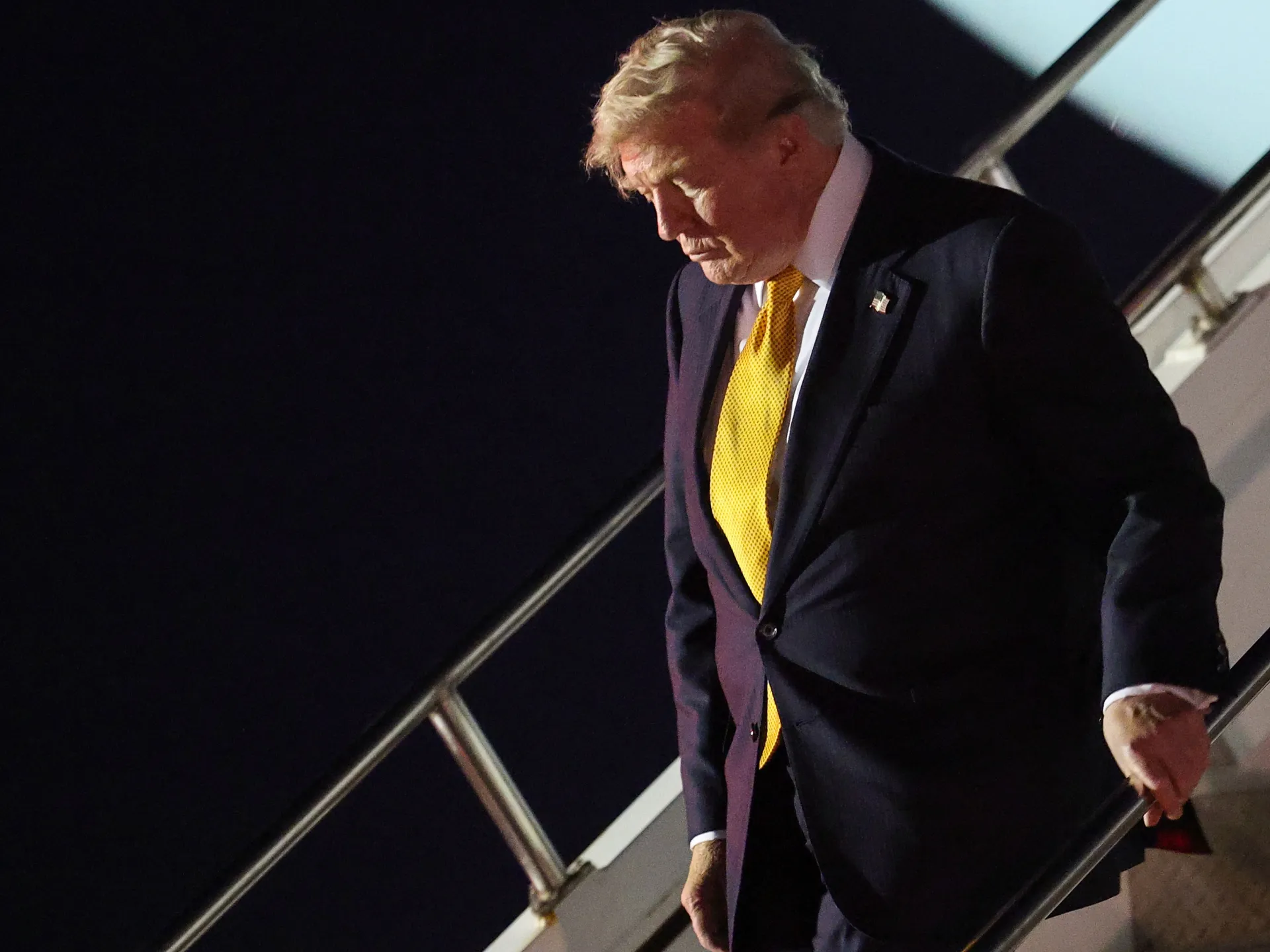
In parallel, US President Donald Trump has made public statements indicating that the ceasefire between the two countries is 'over.' This declaration, if officially acted upon, could signify a fundamental change in the approach of the United States towards its engagement with Iran. The term 'ceasefire' itself, in this context, often refers to a period of reduced hostilities or a pause in direct confrontation, rather than a formal, signed agreement. President Trump's remarks suggest a re-evaluation of this informal understanding, potentially leading to a more assertive posture from the US side. The implications of such a declaration are far-reaching, affecting not only bilateral relations but also the broader geopolitical dynamics of the Middle East.
Historical Context of US-Iran Relations
The current escalation is not an isolated incident but rather part of a complex and often volatile history between the United States and Iran. Relations have been characterized by periods of intense animosity, punctuated by brief moments of diplomatic engagement. Understanding this historical backdrop is crucial for interpreting the significance of present-day developments. Key events, such as the 1979 Iranian Revolution, the hostage crisis, and various regional conflicts, have shaped the perceptions and policies of both nations towards each other. These historical grievances and strategic rivalries continue to influence contemporary interactions, making any shift in the status quo particularly sensitive.
Previous Periods of Heightened Tension
Throughout their modern history, the US and Iran have experienced several instances of heightened tension, often bringing them to the brink of direct conflict. These periods typically involve a combination of rhetorical exchanges, military posturing, and proxy engagements in various regional arenas. Each escalation has presented unique challenges to international diplomacy and security, requiring careful navigation to prevent full-scale warfare. The current situation, described as the most serious escalation in almost a month, aligns with this historical pattern, prompting concerns among analysts and policymakers alike.
Analysis of the Current Escalation
The recent intensification of rhetoric from both sides suggests a significant deterioration in the informal understanding that has characterized their interactions. While the exact nature of the 'ceasefire' remains somewhat ambiguous, President Trump's statement signals a departure from a period of relative calm. This could manifest in various ways, including increased sanctions, enhanced military presence in the region, or a more assertive stance in international forums. Similarly, Iran's unwavering position indicates a lack of willingness to yield to pressure, potentially leading to a prolonged standoff.
Potential Ramifications
The immediate ramifications of this escalation could include increased instability in the Persian Gulf region, affecting global oil markets and maritime security. Furthermore, it could complicate ongoing diplomatic efforts by other international actors seeking to de-escalate tensions and promote dialogue. The humanitarian impact on populations in conflict-affected areas could also worsen if regional proxy conflicts intensify. The situation calls for careful observation of subsequent actions by both the US and Iran to ascertain the true extent of this escalation and its potential consequences.
The Role of International Diplomacy
In such a volatile environment, the role of international diplomacy becomes paramount. Third-party nations and international organizations often play a crucial role in mediating disputes, facilitating communication, and seeking pathways for de-escalation. Efforts to encourage dialogue and prevent miscalculation are essential to avert a broader conflict. The international community will likely be closely watching for any opportunities to foster a return to a more stable and predictable relationship between the United States and Iran.
Related Articles
 world
world
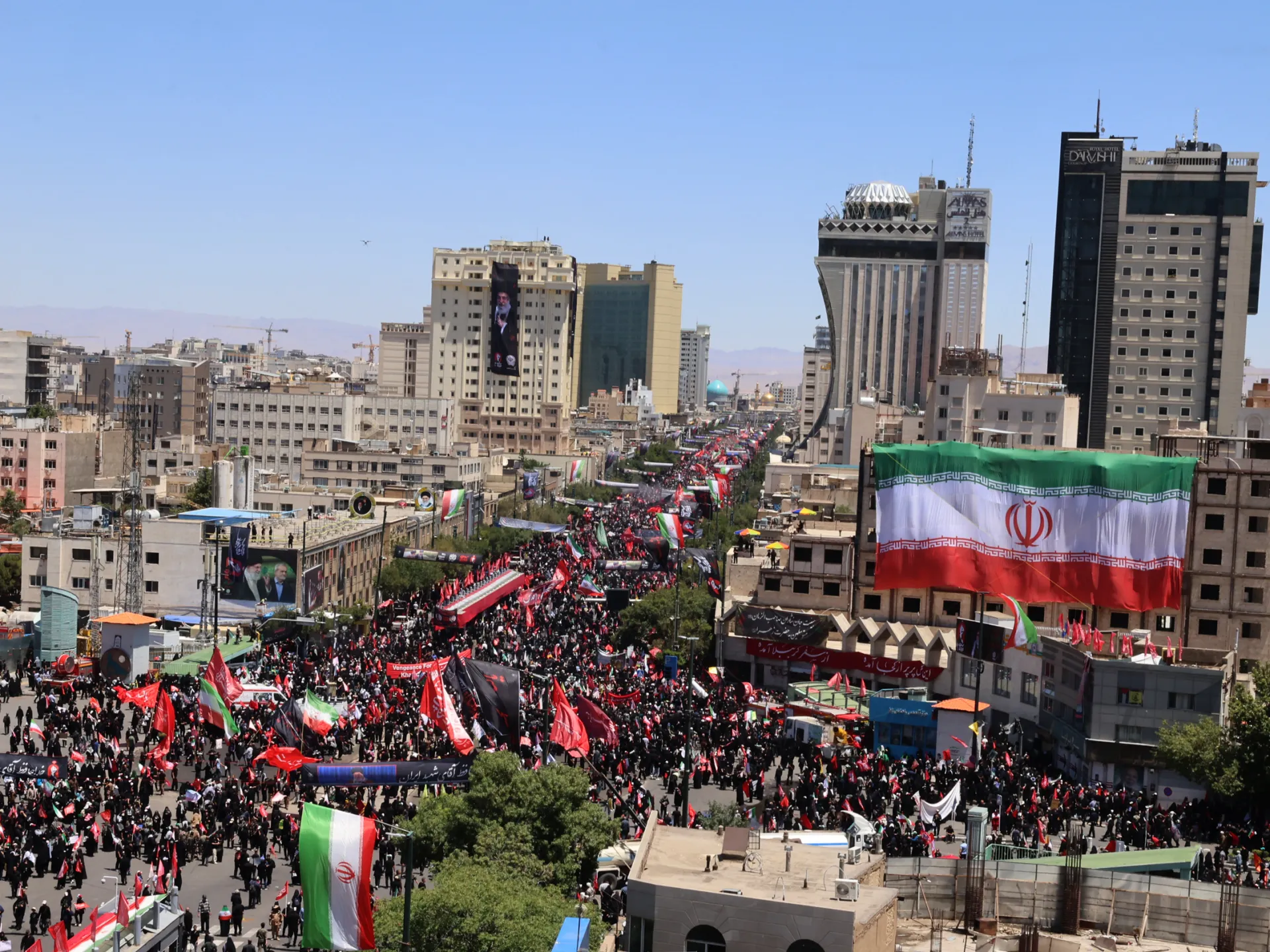
Former US President Issues Warning to Iran Amidst Tensions
 world
world
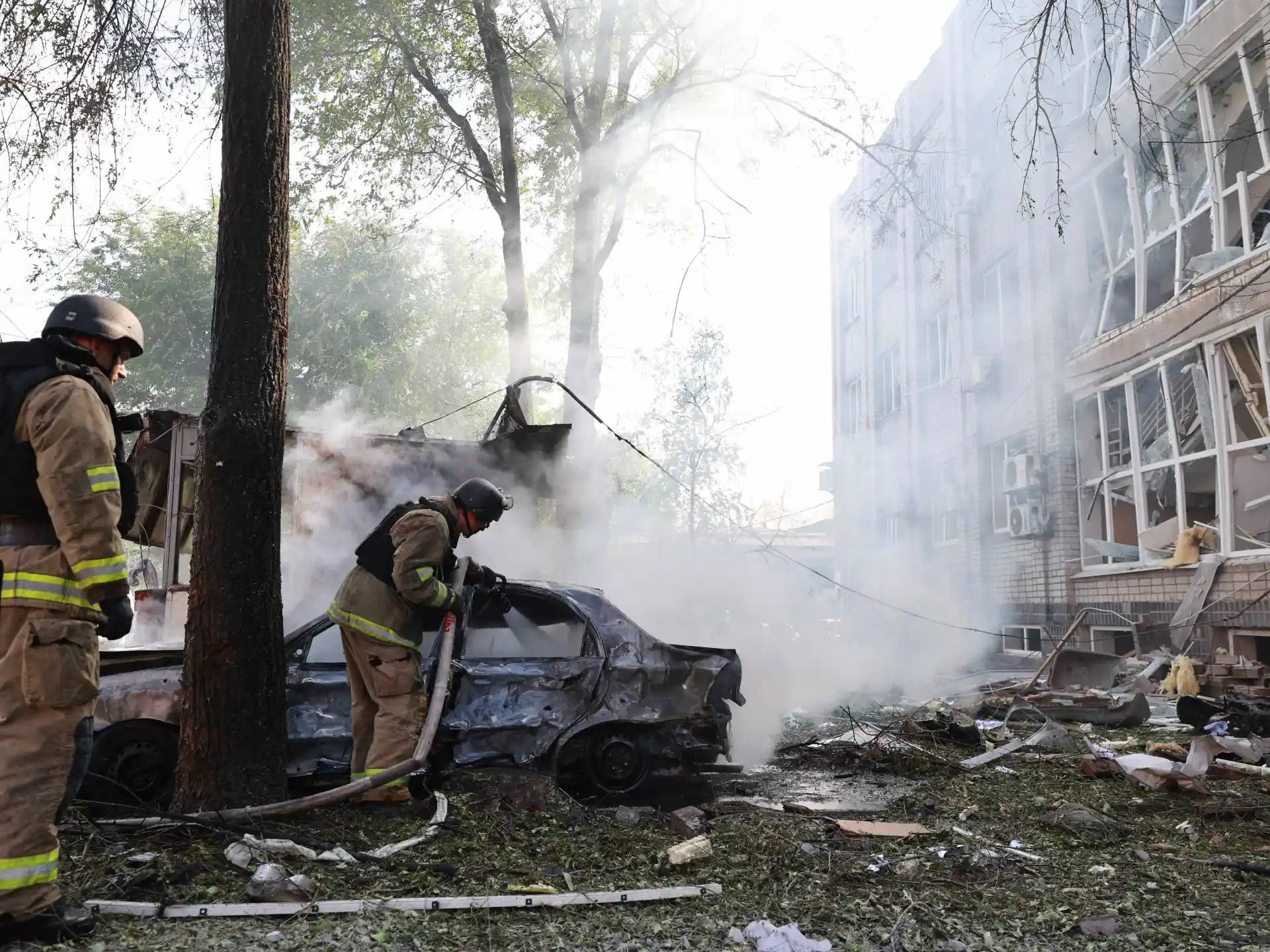
Zaporizhzhia Faces Intensified Assault, Russian Forces Approach City Limits
 world
world
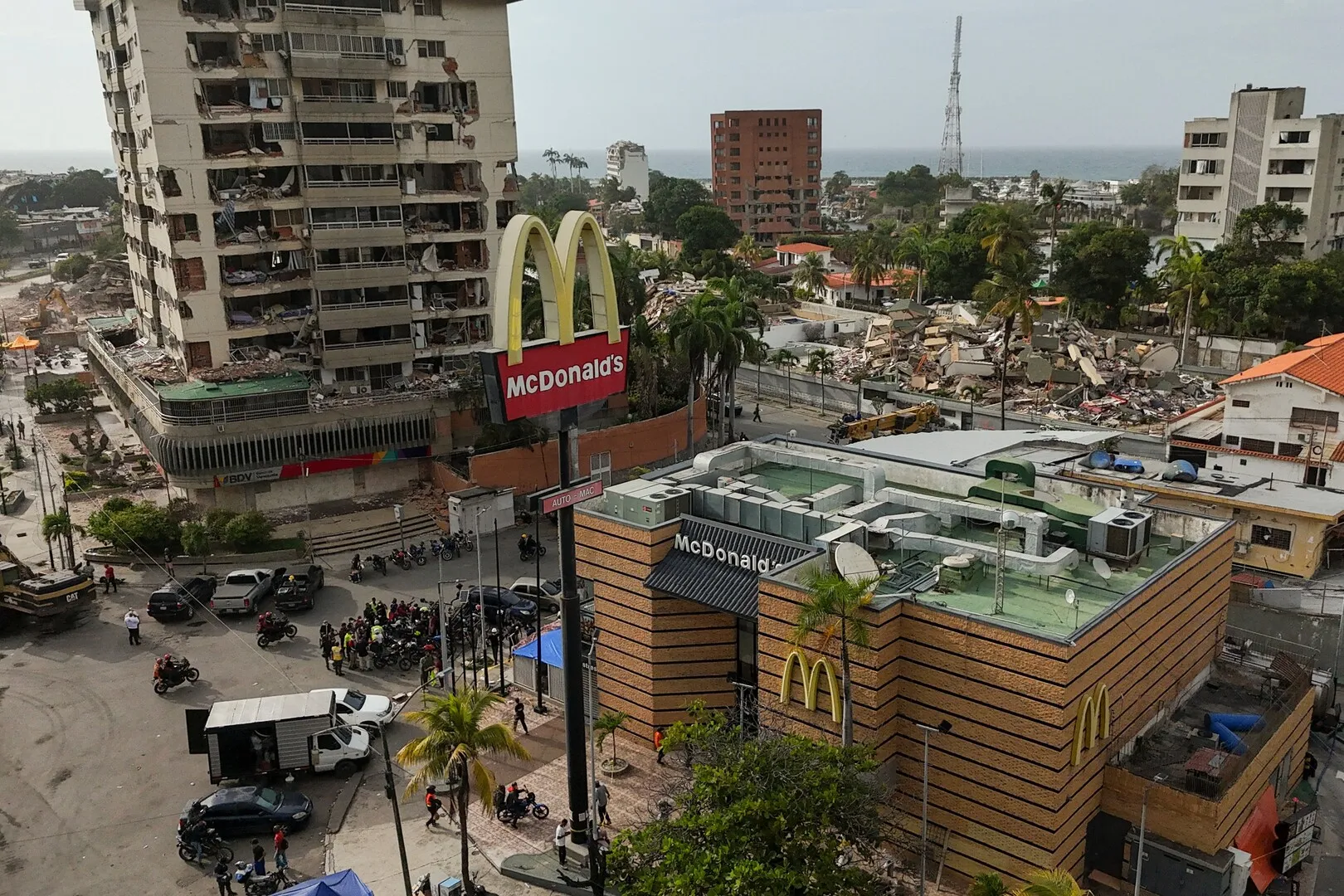
Venezuelan Restaurant Becomes Emergency Clinic After Earthquake
 world
world