Overview of Recent Developments in Zaporizhzhia
The city of Zaporizhzhia in southeastern Ukraine has recently been the scene of escalating military operations. Reports indicate a significant push by Russian forces, bringing them closer to the city's perimeter. This development follows a period of sustained conflict in the region, which has seen various cities across Ukraine subjected to military engagements.
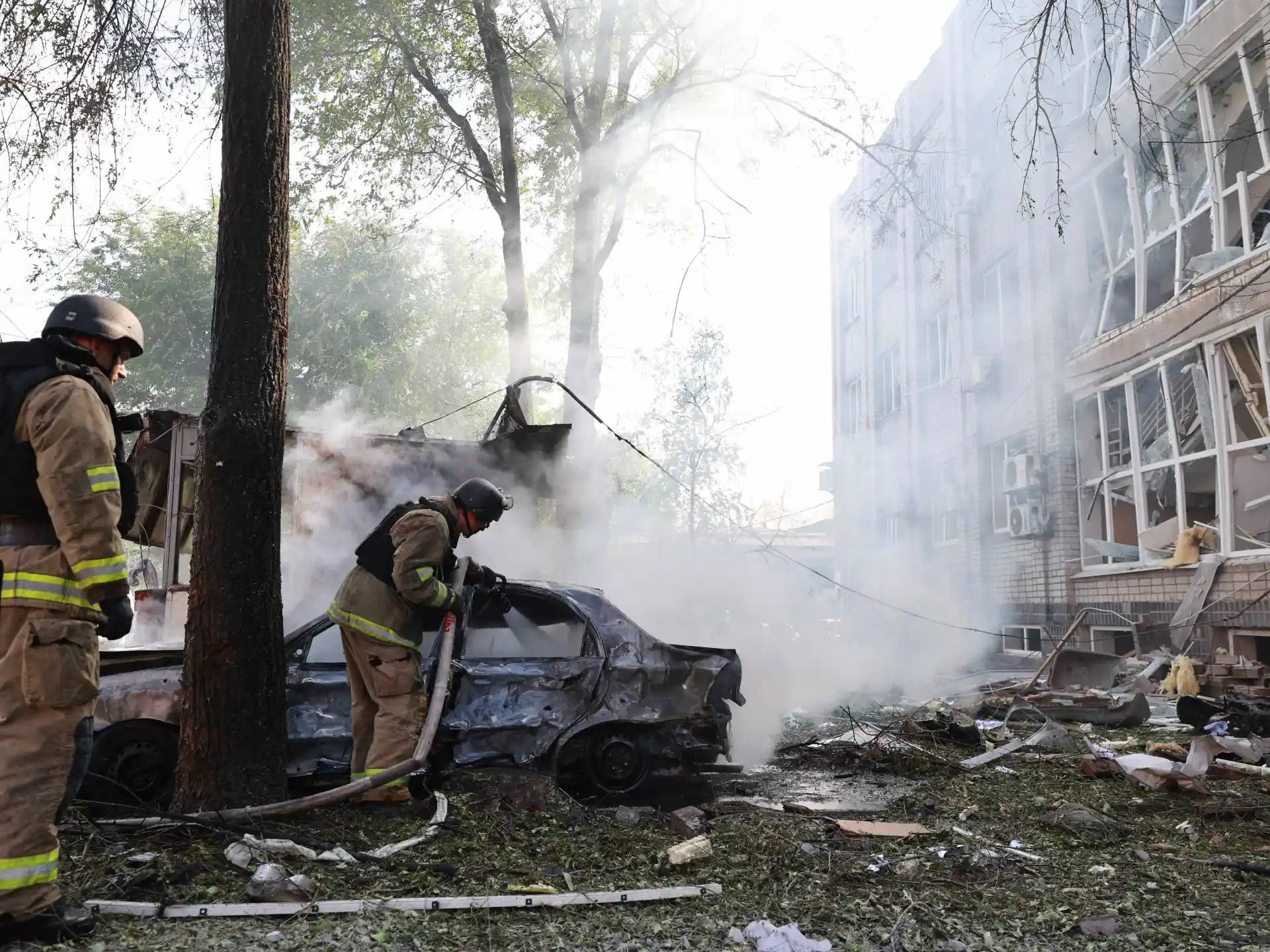
Emergency services in Zaporizhzhia have been actively responding to incidents within the city. One such event involved an aerial strike that led to fatalities and numerous injuries, underscoring the ongoing challenges faced by civilian populations in areas affected by the conflict. The response efforts are focused on locating and assisting individuals impacted by such incidents.
Reported Proximity of Russian Forces
According to statements from local authorities, Russian military units have advanced to a position approximately 20 kilometers (about 12.4 miles) from Zaporizhzhia. This reported proximity suggests a strategic movement by forces involved in the conflict, potentially indicating an intention to increase pressure on the city. The mayor's assessment provides a current snapshot of the tactical situation on the ground, highlighting the evolving nature of the front lines.
Such advancements can have significant implications for the city's defense and the safety of its inhabitants. Military analysts often interpret movements of this nature as precursors to further engagements or attempts to secure strategic advantages. The distance cited by the mayor is a key piece of information for understanding the immediate threat assessment for Zaporizhzhia.
Impact of Aerial Strikes on Civilian Areas
A recent aerial assault on Zaporizhzhia resulted in at least one confirmed fatality and left 29 individuals injured. Among the wounded were two children, a detail that often draws particular attention to the human cost of conflict. Emergency response teams were dispatched to the site of the strike to conduct search and rescue operations, aiming to find any additional survivors trapped or affected by the debris.
Incidents involving civilian casualties are a recurring element in the ongoing hostilities. Such events contribute to a broader pattern of destruction and displacement, impacting the daily lives of residents. The focus of emergency crews on survivor searches underscores the immediate humanitarian concerns arising from these attacks. The presence of children among the injured is a stark reminder of the widespread impact of military actions on vulnerable populations.
Humanitarian Concerns and Emergency Response
The continuous military activities in and around Zaporizhzhia have naturally raised significant humanitarian concerns. Local authorities and international organizations are often tasked with providing assistance to those affected by the conflict, including medical aid, shelter, and psychological support. The recent aerial strike, with its toll of dead and injured, exemplifies the urgent need for such services.
Emergency crews, comprising paramedics, firefighters, and search and rescue specialists, play a critical role in mitigating the immediate aftermath of attacks. Their work involves not only attending to the wounded but also assessing structural damage, ensuring public safety, and managing the logistical challenges of a crisis situation. The coordination of these efforts is vital in providing an effective response to the civilian population.
Strategic Importance of Zaporizhzhia
Zaporizhzhia holds considerable strategic importance within the broader geopolitical landscape of the region. As a major industrial center and home to a significant nuclear power plant, the city's status is closely monitored by international observers. Its location on the Dnipro River also gives it a key position in terms of transportation and infrastructure.
The reported advancement of Russian forces towards the city's outskirts could be indicative of attempts to control or exert influence over these strategically vital assets. The ongoing conflict in the area thus carries implications that extend beyond immediate military objectives, touching upon energy security and regional stability. The city's resilience and the international community's response remain central to the unfolding narrative.
Source: Original Article