
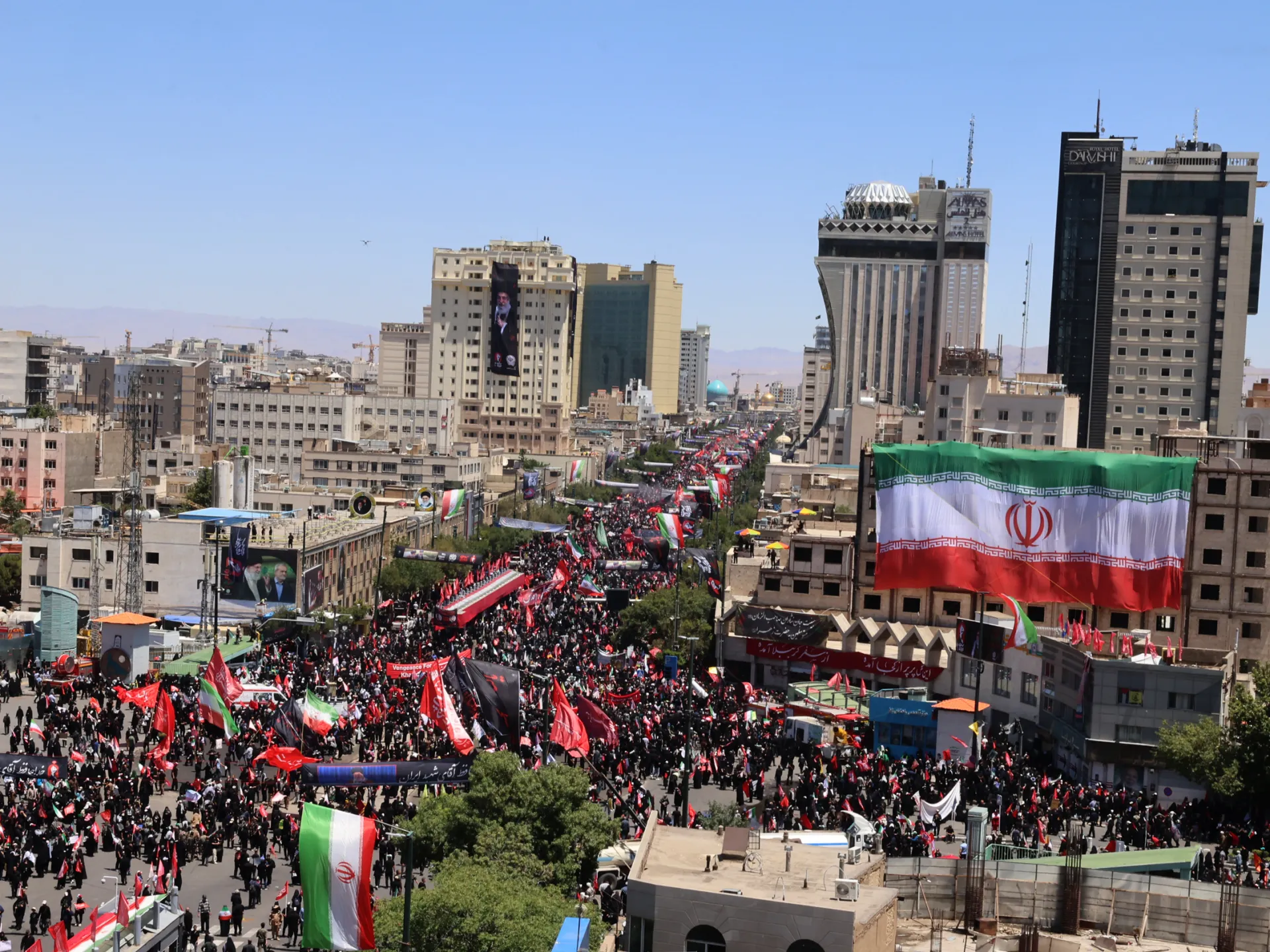
Overview of Recent Statements
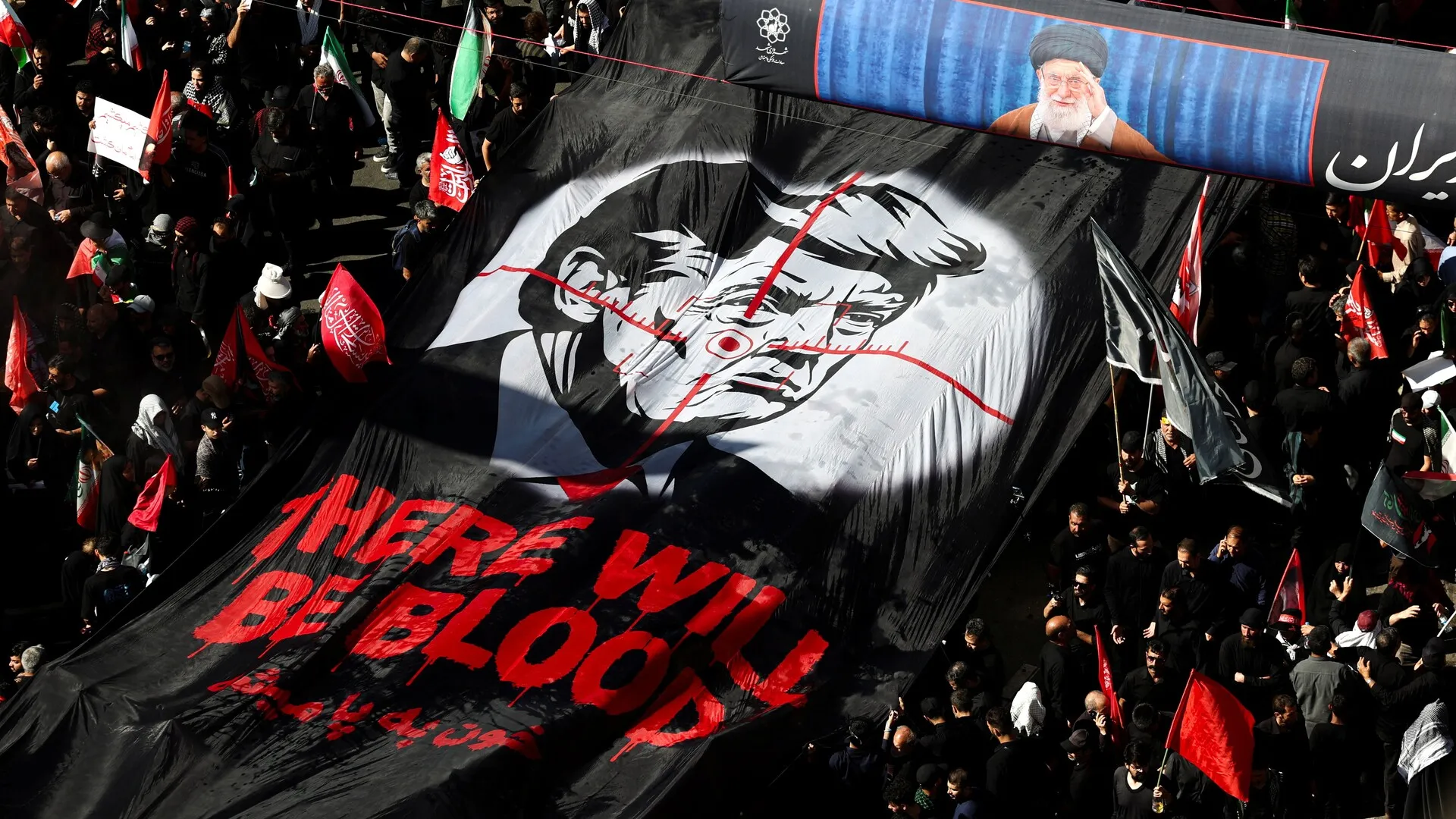
Recent remarks from a former United States President have brought renewed attention to the long-standing tensions between the US and Iran. The statements, delivered during a period of heightened international scrutiny, conveyed a strong message regarding potential retaliatory actions. The former president indicated that a significant number of missiles were prepared for deployment, with an explicit threat to 'decimate' Iran if any attempts were made on his life. This declaration underscores the volatile nature of the relationship between the two nations and the potential for rapid escalation in response to perceived threats.
Context of US-Iran Relations
The relationship between the United States and Iran has been characterized by periods of intense friction and diplomatic challenges for decades. Numerous incidents, including historical political interventions, economic sanctions, and military posturing, have contributed to a complex and often adversarial dynamic. The current rhetoric, while forceful, is part of a broader pattern of interactions that have seen both countries engage in confrontational exchanges. Understanding this historical context is crucial for interpreting the significance of recent warnings and their potential implications for regional stability.
Diplomatic Criticisms and Unfulfilled Agreements
In parallel with the former US President's statements, Iranian Foreign Minister Abbas Araghchi voiced strong criticisms concerning the United States' adherence to international commitments. Araghchi specifically highlighted what he described as the US's failure to uphold an interim agreement, suggesting that the actions of the American administration demonstrate a clear breach of established obligations. This diplomatic reproach points to a foundational disagreement over the interpretation and implementation of international accords, further complicating efforts to de-escalate tensions. Such criticisms are not isolated incidents but rather reflect a consistent theme in Iranian foreign policy, which often emphasizes the importance of multilateralism and adherence to international law.
The Role of Interim Agreements
Interim agreements typically serve as temporary frameworks designed to manage immediate issues or pave the way for more comprehensive treaties. Their success relies heavily on the good faith and consistent adherence of all parties involved. When one party accuses another of breaching such an agreement, it can severely undermine trust and hinder future diplomatic progress. The Iranian Foreign Minister's comments suggest that from Tehran's perspective, the US has not met its commitments under a specific interim agreement, thereby creating an environment of mistrust. This perception can have tangible effects on ongoing negotiations and the willingness of Iran to engage in future diplomatic initiatives.
Implications of Escalating Rhetoric
The use of strong, threatening language by high-profile political figures, particularly those who have held or continue to hold significant influence, carries substantial implications. Such rhetoric can be interpreted in various ways: as a deterrent, a declaration of intent, or a provocation. In the context of US-Iran relations, where a history of mistrust and proxy conflicts exists, such statements can heighten fears of military confrontation. The international community often monitors these exchanges closely, as any direct conflict between the US and Iran could have far-reaching consequences for global energy markets, regional stability, and international security.
Regional and International Reactions
The international community's response to such declarations is often multifaceted. Allies of the United States may express solidarity or call for de-escalation, while nations with closer ties to Iran might condemn what they perceive as aggressive posturing. Regional actors, particularly those in the Middle East, are acutely sensitive to any increase in tensions, as they are often the most directly affected by conflicts in the area. The potential for a wider regional conflict, involving various state and non-state actors, remains a significant concern for international observers and diplomatic bodies like the United Nations.
Future Outlook
The path forward for US-Iran relations remains uncertain. While diplomatic channels continue to exist, the sharp contrast between the former US President's warnings and Iran's criticisms of US compliance highlights deep-seated disagreements. Any resolution would likely require a significant shift in diplomatic strategy from both sides, potentially involving new frameworks for engagement, renewed commitments to existing agreements, or a willingness to address underlying grievances. The ongoing interplay between assertive rhetoric and calls for adherence to international law will undoubtedly continue to shape the trajectory of this critical geopolitical relationship.
Source: Original Article
Related Articles
 world
world
Zaporizhzhia Faces Intensified Assault, Russian Forces Approach City Limits
 world
world
US and Iran Tensions Escalate Amidst Ceasefire Concerns
 world
world
Venezuelan Restaurant Becomes Emergency Clinic After Earthquake
 world
world