Geopolitical Climate Intensifies Following Iranian Funeral
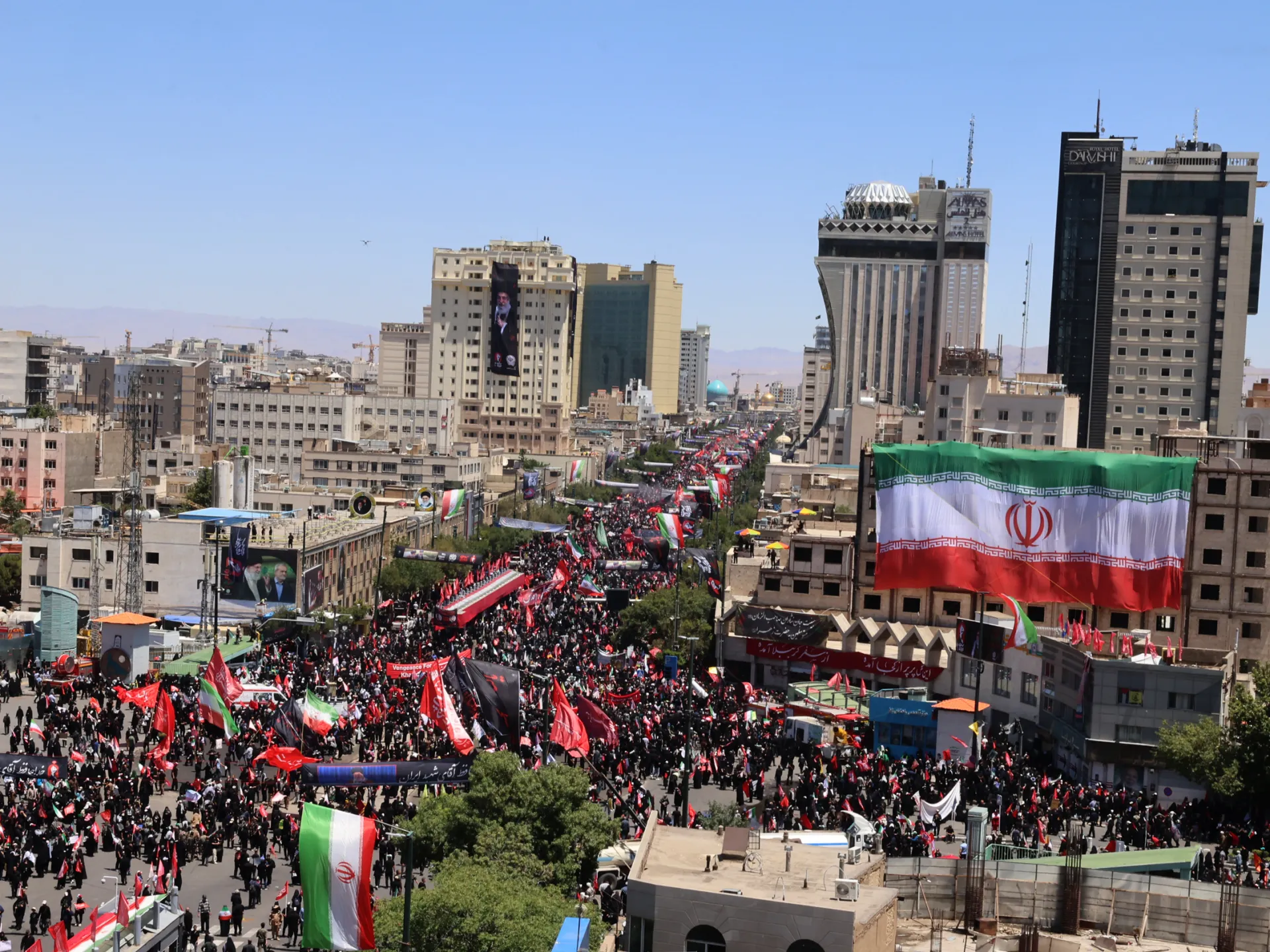
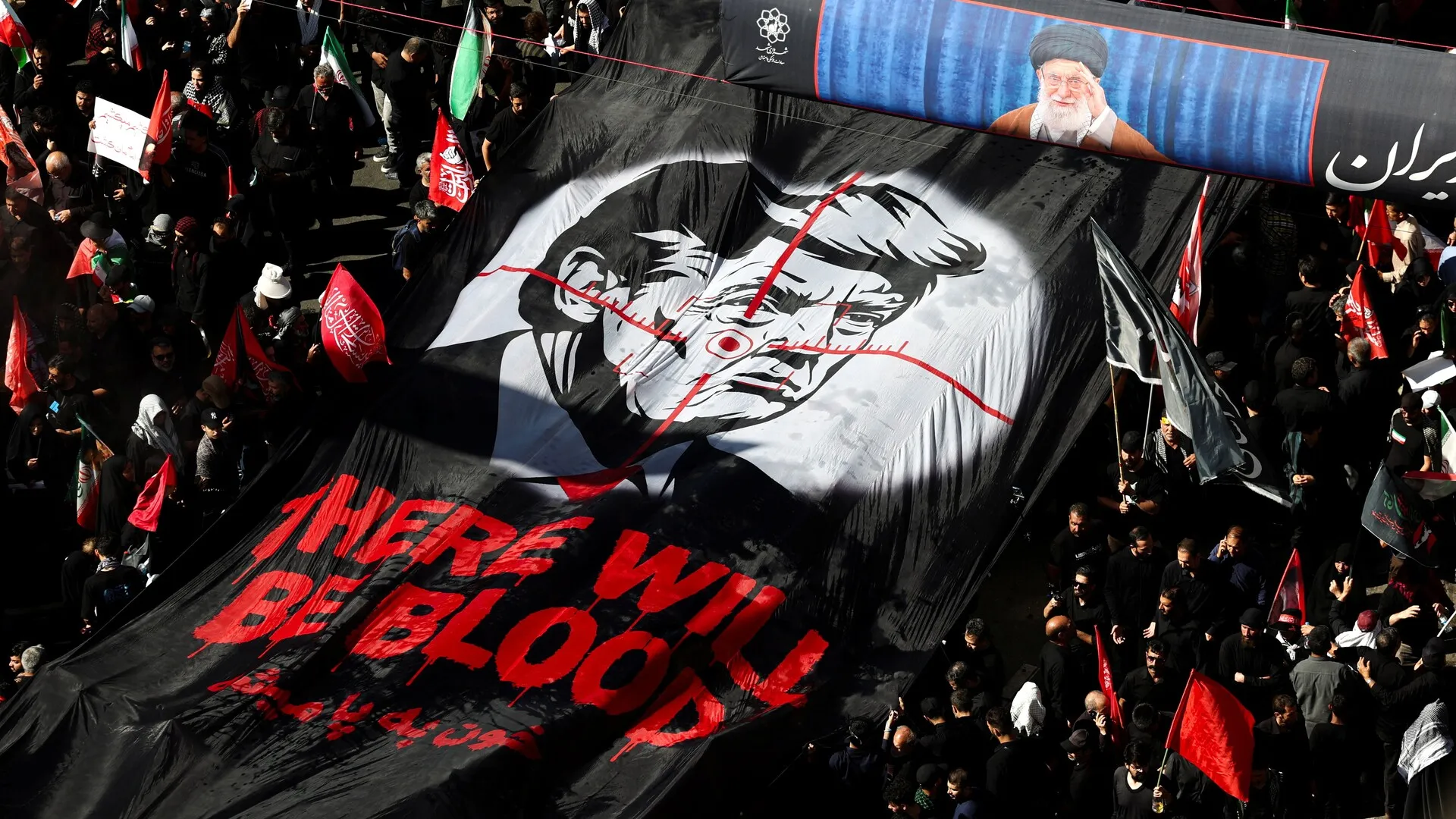
The geopolitical landscape between the United States and Iran has experienced a significant escalation, marked by a stern warning from US President Donald Trump. This comes in the wake of the funeral for Iran's late Supreme Leader, Ayatollah Ali Khamenei, where attendees reportedly chanted calls for President Trump's death. Concurrently, intelligence reports from Israel have indicated an alleged Iranian plot to assassinate the US President, further fueling the heightened tensions.
President Trump conveyed his strong message via his Truth Social platform, stating, "1000 Missiles are Locked and Loaded and aimed at the Islamic Republic of Iran, with thousands of more to immediately follow, should the Iranian Government act on its threat, pronounced in many corners of the Globe, to assassinate, or attempt to assassinate, the sitting President of the United States of America, in this case, ME!" He further added, "Orders have already been given, and the U.S. Military is ready, willing, and able, for a one year period of time, subject to extension, to completely decimate and destroy all areas of Iran – PRAISE BE TO ALLAH!"
Intelligence Reports Detail Alleged Assassination Plot
Earlier in the week, US media outlets, including CNN and The Wall Street Journal, reported on Israeli intelligence warnings regarding a specific and active Iranian plot to assassinate President Trump. This intelligence was described as "fresh" and highly detailed, contributing to the urgency of the US response. The alleged plot is understood to be part of Iran's long-standing pledge for retribution against President Trump, stemming from the 2020 drone strike that resulted in the death of Iranian General Qassem Soleimani. The severity of the threat reportedly prompted the US Secret Service to advise President Trump to change aircraft while departing the NATO summit in Turkey.
Diplomacy Continues Amidst Military Posturing
Despite the pronounced rhetoric and recent military exchanges, President Trump indicated that discussions aimed at finalizing a peace agreement with Iran are ongoing. This assertion follows a period of renewed hostilities, including Iranian attacks on tankers near the Strait of Hormuz, which led to US airstrikes on Iran and subsequent retaliatory actions by Iran against US-linked military facilities in the region. President Trump clarified that while talks persist, the provisional ceasefire with Tehran has concluded, stating, "The Islamic Republic of Iran has asked us to continue ‘talks.’ We have agreed to do so, but the United States has stated to them, in no uncertain terms, that the Cease Fire is OVER!"
In response to the mounting pressure from Washington, Mohammad Bagher Ghalibaf, Iran's lead negotiator and parliament speaker, firmly stated that Iran would not yield to US demands. He underscored Iran's readiness to defend itself should the US withdraw from the Pakistani-brokered memorandum of understanding. Ghalibaf declared, "We have never stopped preparing to defend our country, and if at any moment the Americans betray the understanding, we are ready for full-scale defence." He emphasized that while ending the conflict is a global priority, it would not come at the cost of Iran's surrender.
Mediators Work to De-escalate Tensions
Behind the scenes, significant diplomatic efforts are underway to mitigate the escalating situation. Qatari mediators have traveled to Tehran, and Iranian Foreign Minister Abbas Araghchi is reportedly in Muscat, Oman, for discussions concerning security in the critical Strait of Hormuz. Pakistan's Prime Minister Shehbaz Sharif also engaged in a phone conversation with Iranian President Masoud Pezeshkian, expressing deep concern over the recent intensification of hostilities and urging both Iran and the US to exercise restraint.
According to Mahmoud Abdelwahed, an Al Jazeera correspondent reporting from Tehran, there is a "flurry of diplomatic activity to rescue the stalled talks following the latest round of de-escalation." However, he noted that Iranian officials remain "highly sceptical of American intentions, especially after the latest US strikes and President Trump’s statements."
From Washington, DC, Al Jazeera's Kimberly Halkett reported that the United States maintains that any agreement would necessitate Iran's acceptance of nuclear limitations and the surrender of its nuclear materials. While senior US officials have described ongoing conversations as productive, an ultimatum has been issued following recent Iranian actions targeting commercial vessels. The intricate balance between assertive warnings and persistent diplomatic engagement characterizes the current dynamic between the two nations.
Source: Original Article