
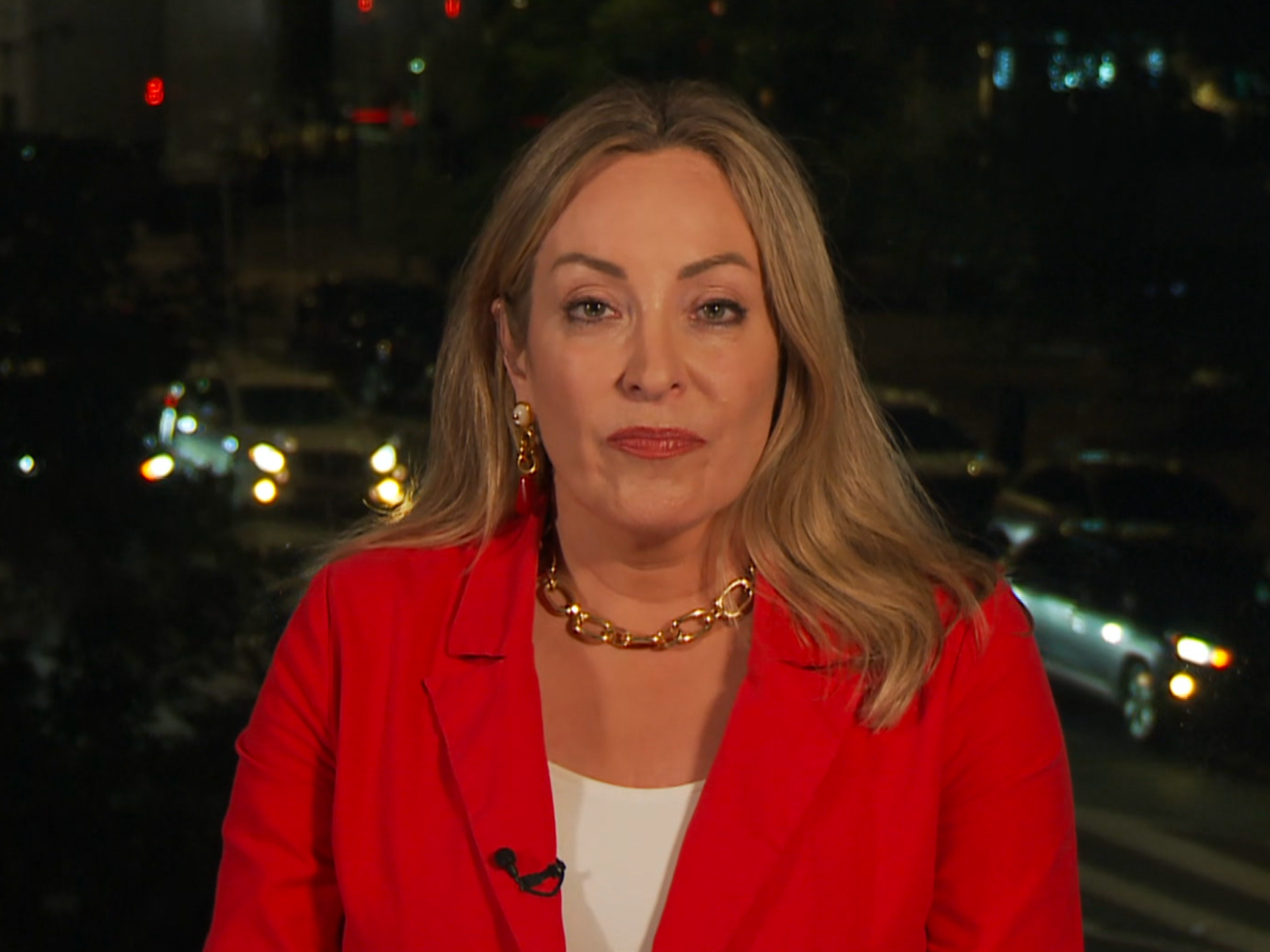
Anticipated US-Iran Agreement Sparks Discussion
Former United States President Donald Trump recently indicated that a significant memorandum of understanding (MOU) between the U.S. and Iran is expected to be signed on an upcoming Sunday. This announcement has drawn considerable attention, particularly because the event does not appear on his publicly disclosed itinerary. The proposed agreement is reported to encompass a 60-day ceasefire between the two nations and the crucial reopening of the Strait of Hormuz, a vital global shipping lane.
The declaration, made by the former president, introduces a layer of intrigue given the lack of official scheduling for such a high-profile diplomatic event. In international relations, the signing of an MOU of this magnitude typically involves extensive preparatory work, public announcements, and a clear place on the involved parties' official calendars. The absence of this event from Trump's published schedule has prompted questions regarding the precise nature of the agreement, the timing, and the protocol surrounding its execution.
Details of the Proposed Memorandum
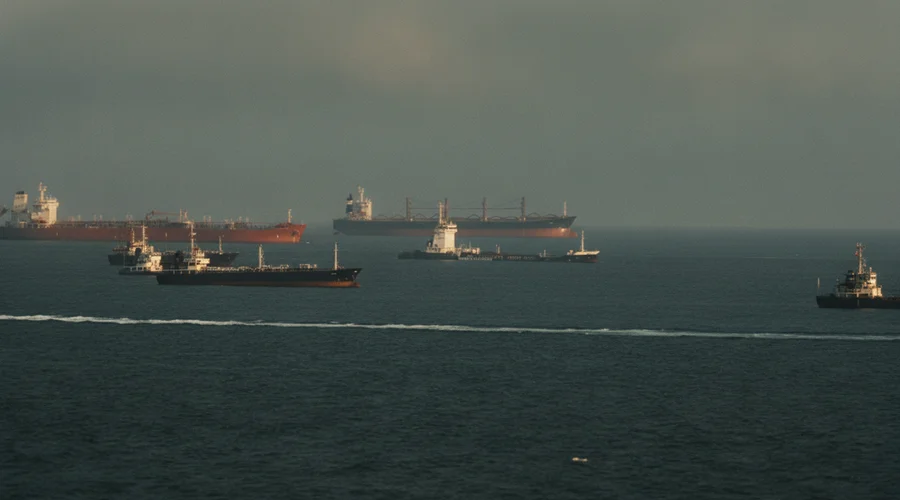
While specific details about the memorandum remain somewhat limited, the two key components highlighted by Trump – a 60-day ceasefire and the reopening of the Strait of Hormuz – suggest a potentially significant de-escalation of tensions between the U.S. and Iran. A ceasefire, even a temporary one, could provide a much-needed window for diplomatic engagement and potentially lay the groundwork for more lasting peace initiatives. The Strait of Hormuz, a narrow waterway between the Persian Gulf and the Gulf of Oman, is strategically critical as approximately one-fifth of the world's total oil consumption, and a substantial portion of its liquefied natural gas, passes through it. Its closure or disruption has historically led to global economic instability and increased geopolitical tensions.
The reopening of the strait would signal a return to normalcy for international maritime trade and could alleviate concerns about energy supply disruptions. For Iran, ensuring the free flow of its oil exports through this strait is paramount to its economic stability, particularly in the face of international sanctions. For the U.S. and its allies, maintaining freedom of navigation in this waterway is a long-standing strategic imperative.
Context of US-Iran Relations
Relations between the United States and Iran have been characterized by decades of mistrust, intermittent conflict, and complex diplomatic challenges. Following the 1979 Iranian Revolution, diplomatic ties were severed, and subsequent years have seen periods of heightened tension, particularly concerning Iran's nuclear program and its regional influence. The 2015 Joint Comprehensive Plan of Action (JCPOA), a multilateral agreement aimed at limiting Iran's nuclear activities in exchange for sanctions relief, represented a brief period of rapprochement. However, the Trump administration withdrew from the JCPOA in 2018, reimposing stringent sanctions and leading to a significant escalation of tensions, including military confrontations and cyberattacks.
Amidst this backdrop, any announcement of a potential agreement, even a preliminary one like an MOU, carries substantial weight. It suggests a possible shift in diplomatic strategy or a renewed effort to find common ground, albeit under unusual circumstances regarding public transparency. The involvement of a former president in such high-level negotiations also adds an interesting dimension, differing from traditional state-to-state diplomatic channels that are typically led by current administrations.
Implications and Future Outlook
Should the memorandum indeed be signed as announced, its implications would be far-reaching. A 60-day ceasefire, even if temporary, could significantly reduce the immediate risk of military confrontation in the region, offering a period for dialogue and confidence-building measures. The reopening of the Strait of Hormuz would have immediate positive impacts on global energy markets and international trade, potentially easing inflationary pressures and fostering greater economic stability.
However, the lack of official corroboration and the absence of the event from public schedules raise questions about the logistical and political feasibility of such an agreement. International diplomatic agreements typically follow established protocols to ensure legitimacy and enforceability. The involvement of a former head of state in negotiating such a deal, outside of the formal structures of the current administration, could also present unique challenges regarding its official recognition and implementation.
Observers will be closely watching for further developments, including any official statements from the U.S. government or Iranian authorities, as well as any confirmation regarding the actual signing of the memorandum. The coming days are crucial for understanding whether this announced agreement will materialize and what its true impact will be on the intricate dynamics of U.S.-Iran relations and broader Middle Eastern stability.
Source: Al Jazeera
Related Articles
 world
world
Global Water Crisis: Satellite Imagery Reveals Ten Disappearing Freshwater Sources
 world
world
Escalating Tensions: Israeli Actions in Lebanon Jeopardize US-Iran Agreement
 world
world
G7 Leaders Pledge Enhanced Support for Ukraine and Stricter Sanctions on Russia
 world
world