Ethiopia's Complex Internal Conflicts
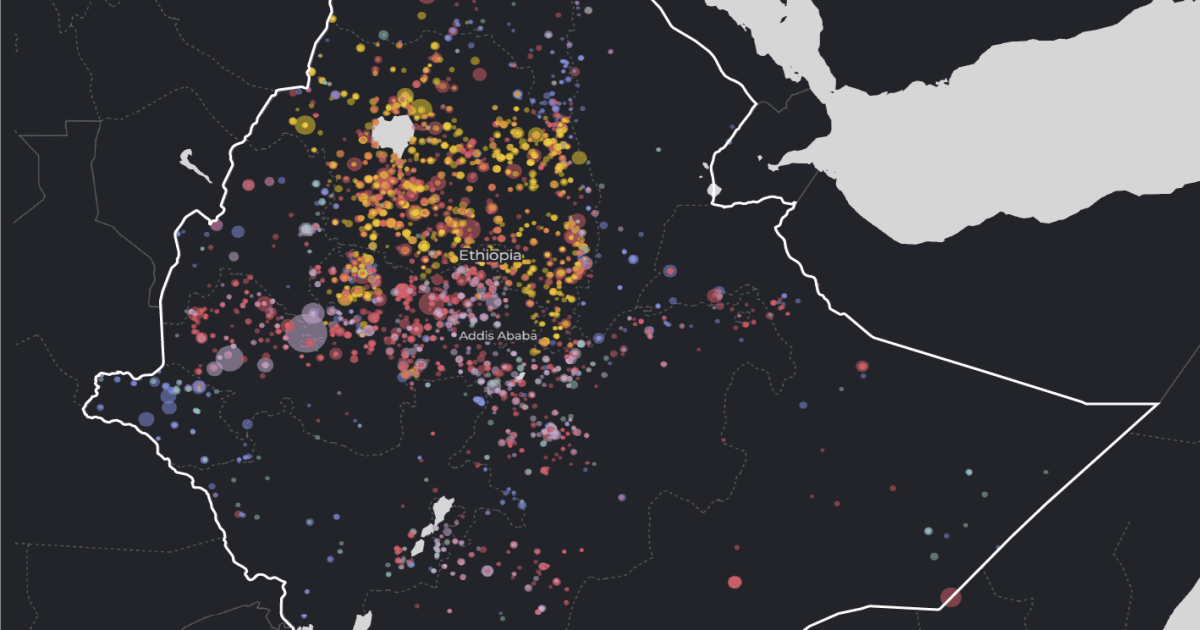
Since 2020, Ethiopia has been grappling with a series of significant internal conflicts that have impacted multiple regions and ethnic communities. These periods of unrest have drawn considerable international attention due to their humanitarian implications and regional instability. The primary areas affected by sustained fighting include Tigray, Oromia, and Amhara, each with unique historical grievances and political dynamics contributing to the ongoing tensions.
The Tigray Conflict
The conflict in the northern Tigray region erupted in November 2020, pitting the federal government against the Tigray People's Liberation Front (TPLF), which had long dominated Ethiopian politics before Prime Minister Abiy Ahmed came to power in 2018. This conflict quickly escalated, leading to widespread displacement, significant humanitarian challenges, and accusations of human rights abuses from various parties. The fighting involved not only federal forces but also regional militias and Eritrean troops, further complicating the situation. A peace agreement was eventually signed in November 2022, aiming to bring an end to the hostilities, though the region continues to face challenges in recovery and stabilization.
Unrest in Oromia
Oromia, the largest and most populous region in Ethiopia, has also been a hotspot for conflict, particularly involving the Oromo Liberation Army (OLA), which the government designates as a terrorist organization. The OLA, an armed group that splintered from the Oromo Liberation Front (OLF), advocates for greater Oromo self-determination and has been engaged in clashes with federal and regional forces. These conflicts have often been characterized by guerrilla warfare tactics, impacting rural communities and leading to disruptions in daily life. The issues in Oromia are deeply rooted in historical grievances concerning political representation, land rights, and cultural recognition for the Oromo people.
Tensions in Amhara
The Amhara region has also experienced its share of violence and political instability. Initially, Amhara regional forces and militias played a significant role in supporting the federal government during the Tigray conflict. However, relations between the federal government and elements within Amhara have deteriorated, particularly concerning issues related to regional boundaries, resource allocation, and the disarmament of local militias. Clashes between federal forces and Fano, an informal Amhara militia, have been reported, indicating a new front of internal conflict. These tensions underscore the intricate interplay of ethnic identity, regional autonomy, and national governance within Ethiopia.
Understanding the multifaceted nature of these conflicts requires acknowledging the historical context, ethnic diversity, and political aspirations of the various groups involved. Each region's situation contributes to the broader picture of Ethiopia's complex internal security challenges.
Broader Implications and Humanitarian Concerns
The continuous conflicts across these regions have had profound humanitarian consequences. Millions of people have been displaced from their homes, facing severe food insecurity, limited access to healthcare, and disrupted livelihoods. International organizations and aid agencies have repeatedly called for unimpeded access to affected areas to deliver critical assistance. The protracted nature of these conflicts also poses a significant challenge to Ethiopia's economic development and its efforts to maintain national unity and stability. Addressing these deep-seated issues will require comprehensive strategies that include political dialogue, reconciliation efforts, and sustainable development initiatives.
Source: Al Jazeera