Overview of Recent Engagements
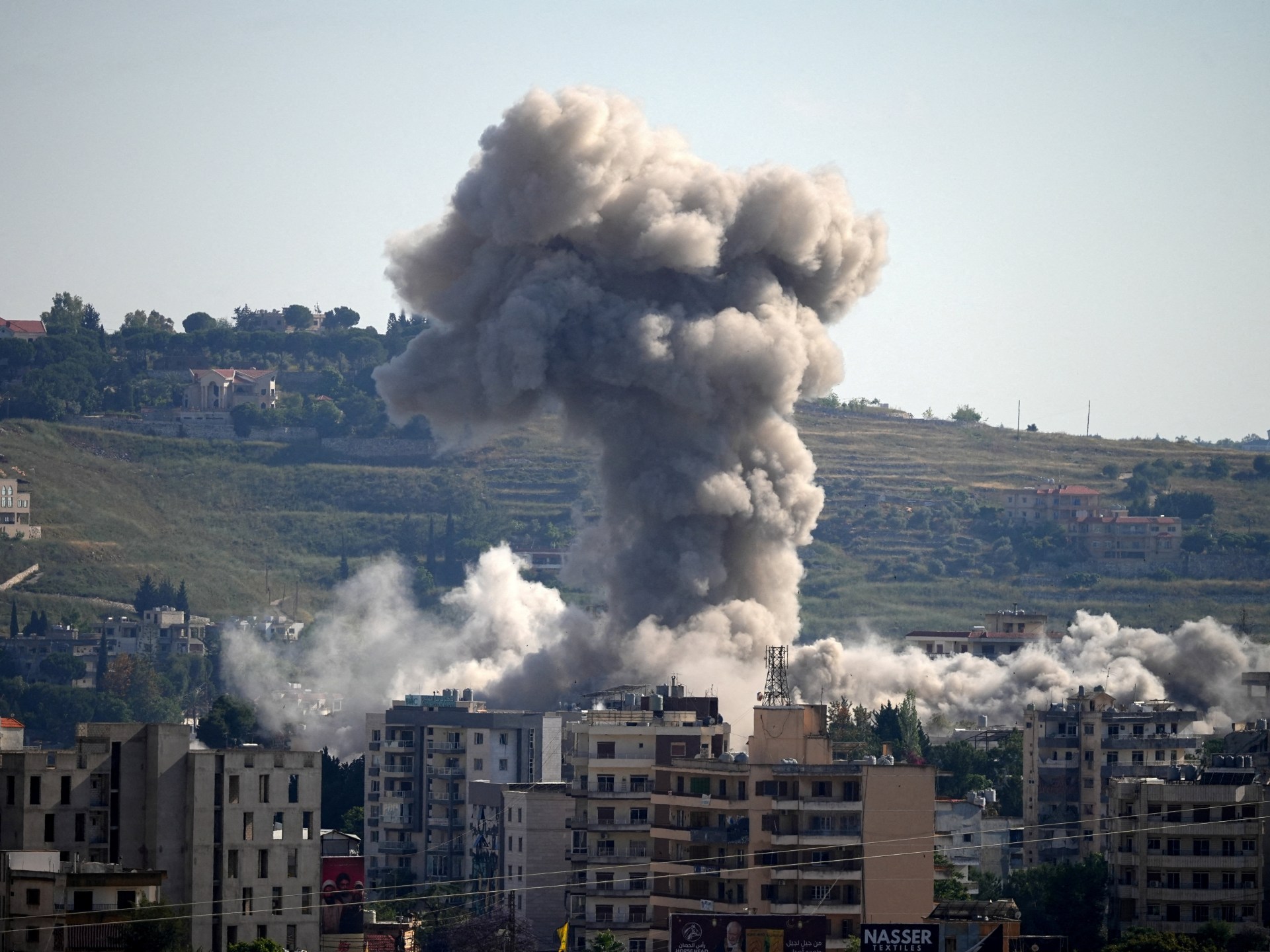
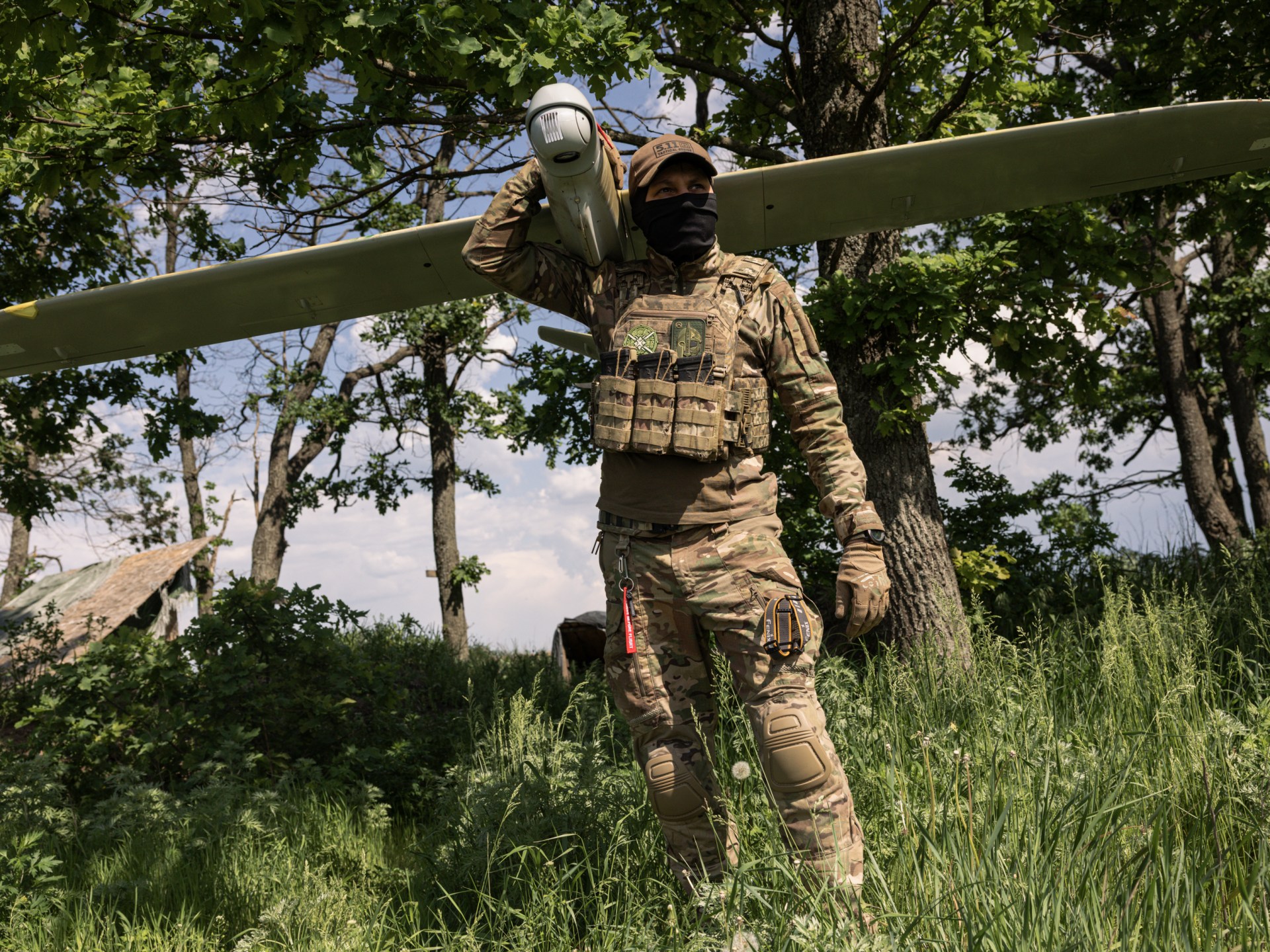
Recent reports indicate an increase in drone activities originating from Ukraine, impacting various sites within Russian territory. These operations have been described as widespread, affecting multiple regions and targeting a range of infrastructure. The nature of these attacks suggests a continued focus on disrupting key logistical and industrial capabilities within Russia.
Targeting Industrial Facilities
Among the reported targets, an oil refinery located in the Saratov region has drawn particular attention. Such facilities are critical to Russia's energy sector, and their targeting could have broader implications for fuel supply and economic stability. Details regarding the extent of the damage to the Saratov refinery are still emerging, but any disruption to its operations would represent a significant incident.
Beyond oil infrastructure, other civilian facilities across various Russian regions have also reportedly sustained damage. The specific nature of these other targets has not always been fully detailed, but the cumulative effect of such strikes points to a strategy aimed at creating pressure on Russia's domestic front. These incidents raise concerns about the safety of civilian infrastructure and the potential for broader humanitarian impacts as the conflict continues to evolve.
Escalation of Cross-Border Activities
The intensification of these drone strikes marks a notable development in the ongoing conflict. While cross-border incidents have occurred previously, the reported scale and coordination of these latest operations suggest a possible shift in tactical approaches. Both sides have utilized various means to project power and disrupt enemy operations, and drone technology has become an increasingly prominent tool in this context.
The use of unmanned aerial vehicles allows for strikes deep within adversary territory, presenting unique challenges for defense systems and raising questions about the rules of engagement in modern warfare.
The increase in such incidents underscores the dynamic nature of the conflict, where both conventional and unconventional tactics are being employed. The strategic rationale behind these operations likely involves a combination of military objectives, such as degrading an adversary's capacity, and psychological warfare, aimed at impacting public morale and political will.
International Reaction and Future Outlook
The international community continues to monitor these developments closely. While some nations have condemned attacks on civilian infrastructure, others have refrained from direct commentary, emphasizing the need for a peaceful resolution to the broader conflict. The implications of these escalating drone activities extend beyond the immediate damage, potentially influencing the trajectory of the conflict and future diplomatic efforts.
As the situation unfolds, the focus will remain on verifying the extent of the damage, assessing the strategic impact of these strikes, and observing any potential retaliatory actions. The conflict continues to demonstrate the evolving nature of modern warfare, with technology playing an increasingly central role in shaping battlefield dynamics and strategic outcomes.
Source: Original Article