
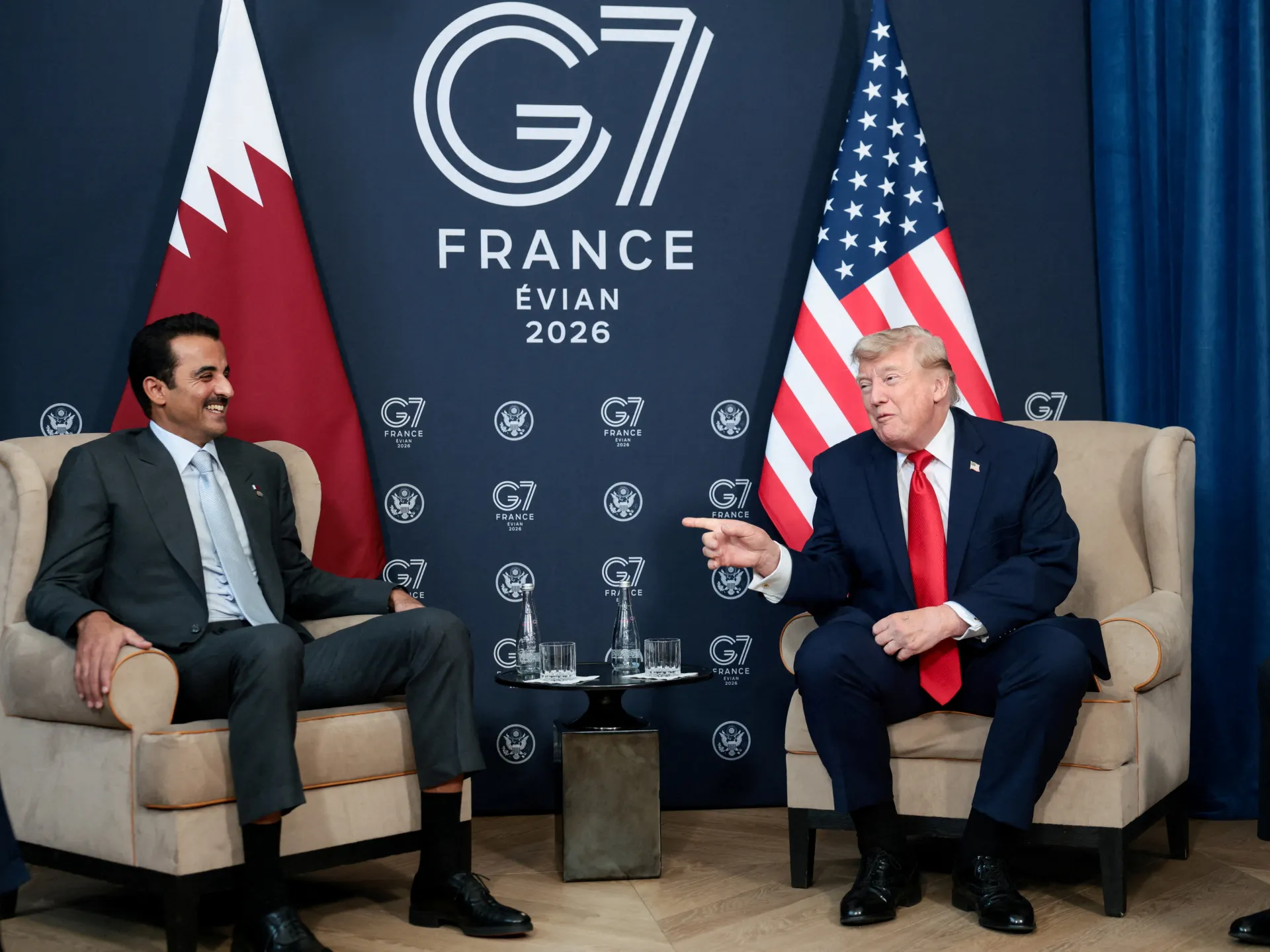
Trump’s Unprecedented Critique of Israeli Operations in Lebanon
Former United States President Donald Trump, while attending a G7 summit in France, openly criticized Israel's military campaign in Lebanon. These remarks, made on Tuesday, June 16, 2026, were notably sharp, particularly given his traditionally strong support for Israel. Trump articulated that despite his "great relationship" with Israeli Prime Minister Benjamin Netanyahu, the Israeli leader "has to be more responsible with respect to Lebanon."
The former president's comments came during a period of heightened regional tension and ongoing discussions regarding a potential peace agreement with Iran. His statements underscore a potential shift in rhetoric from a figure known for his unwavering pro-Israel stance, highlighting concerns over the conduct and consequences of the conflict.
Concerns Over Civilian Casualties and Prolonged Conflict
Trump specifically addressed the prolonged engagement between Israel and Hezbollah, stating that the conflict had continued "too long and too many people are being killed." He conveyed these sentiments to reporters prior to a bilateral meeting with Qatar’s Emir Sheikh Tamim bin Hamad Al Thani, held on the sidelines of the summit in Evian-les-Bains. The former president expressed dismay over the extent of the damage inflicted, particularly on civilian infrastructure.
"You don’t have to knock down an apartment house every time you’re looking for somebody because there’s a lot of people in those apartment houses – and they’re not all Hezbollah," Trump remarked. This statement suggests a direct appeal for a more discriminate approach to military operations, aiming to minimize collateral damage and civilian casualties. His suggestion that Syria could potentially manage the Hezbollah issue more effectively also raised eyebrows, indicating a desire for alternative strategies to de-escalate the conflict.
Disapproval of Beirut Attack Amidst Iran Negotiations
Adding to his criticisms, Trump also voiced strong disapproval of an Israeli attack on Beirut that occurred on Sunday, June 14, 2026. This incident, he noted, threatened to undermine sensitive negotiations with Iran. He publicly stated on his Truth Social platform that the attack "should not have happened, particularly on a special day when we are so close to a Peace Deal with Iran."
On Tuesday, he reiterated his displeasure, stating he "didn’t like" Israel’s attack on Beirut, which took place just "two hours" before the scheduled signing of an agreement with Iran. "I let them know that," Trump confirmed, emphasizing his dissatisfaction with the timing and implications of the strike. This incident highlights the delicate balance of regional diplomacy and the potential for localized conflicts to disrupt broader peace efforts.
The Iran Deal and Regional Stability
Despite these tensions, Trump expressed confidence that the US-Iran deal could endure even if Israel were to launch further attacks in Lebanon. He characterized the conflict with Hezbollah as a "minor war," stating, "Iran’s the big one, but we have that little pinprick out there that constantly rears its head and that’s Hezbollah." This framing suggests a prioritization of the Iran nuclear deal over the immediate conflict in Lebanon, viewing the latter as a secondary, albeit persistent, challenge.
Trump issued a stern warning to Iran, asserting that "all hell will rain down" if it attempted to acquire a nuclear weapon. He emphasized that the ceasefire deal was designed to ensure Iran "can’t have a nuclear weapon" or else "they get blown up." He described the agreement as a "wall to a nuclear weapon," underscoring his primary objective: to prevent Iran from developing nuclear capabilities. "The only thing that really matters to me is Iran will never have a nuclear weapon, and it says it loud and clear," Trump declared.
Iranian officials have consistently maintained that their nuclear program is exclusively for peaceful energy purposes and does not involve the development of nuclear weapons. Trump, however, indicated a belief in a shift within Iran's leadership, noting that he thinks Iran "has rational leadership now," and the "totally irrational" leaders are "now gone," following earlier US and Israeli attacks that reportedly killed several Iranian officials.
The memorandum of understanding between the US and Iran is slated for formal signing in Geneva on Friday, June 20, 2026. Following this, both parties will have a 60-day window to negotiate a final, comprehensive agreement. Trump expressed optimism about the subsequent phase, stating that the second stage of negotiations should "be actually easier," suggesting a hopeful outlook for the diplomatic process despite ongoing regional complexities.
Source: Original Article
Related Articles
 world
world
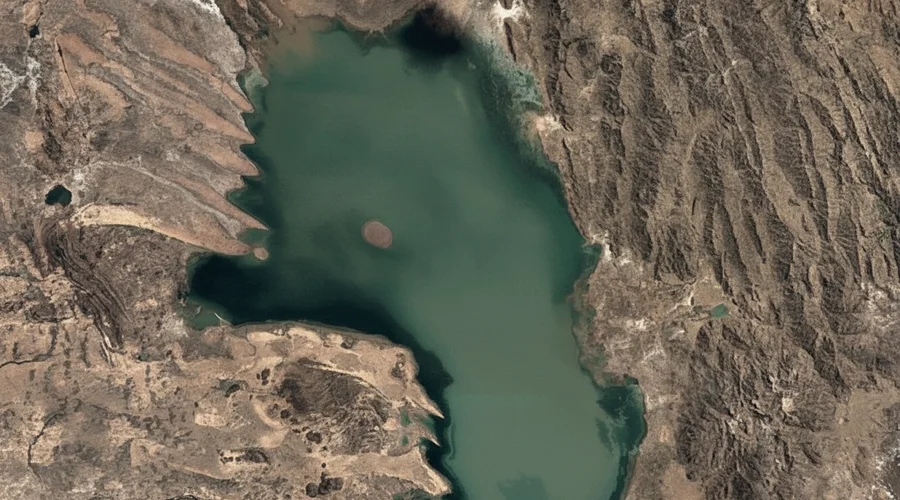
Global Water Crisis: Satellite Imagery Reveals Ten Disappearing Freshwater Sources
 world
world
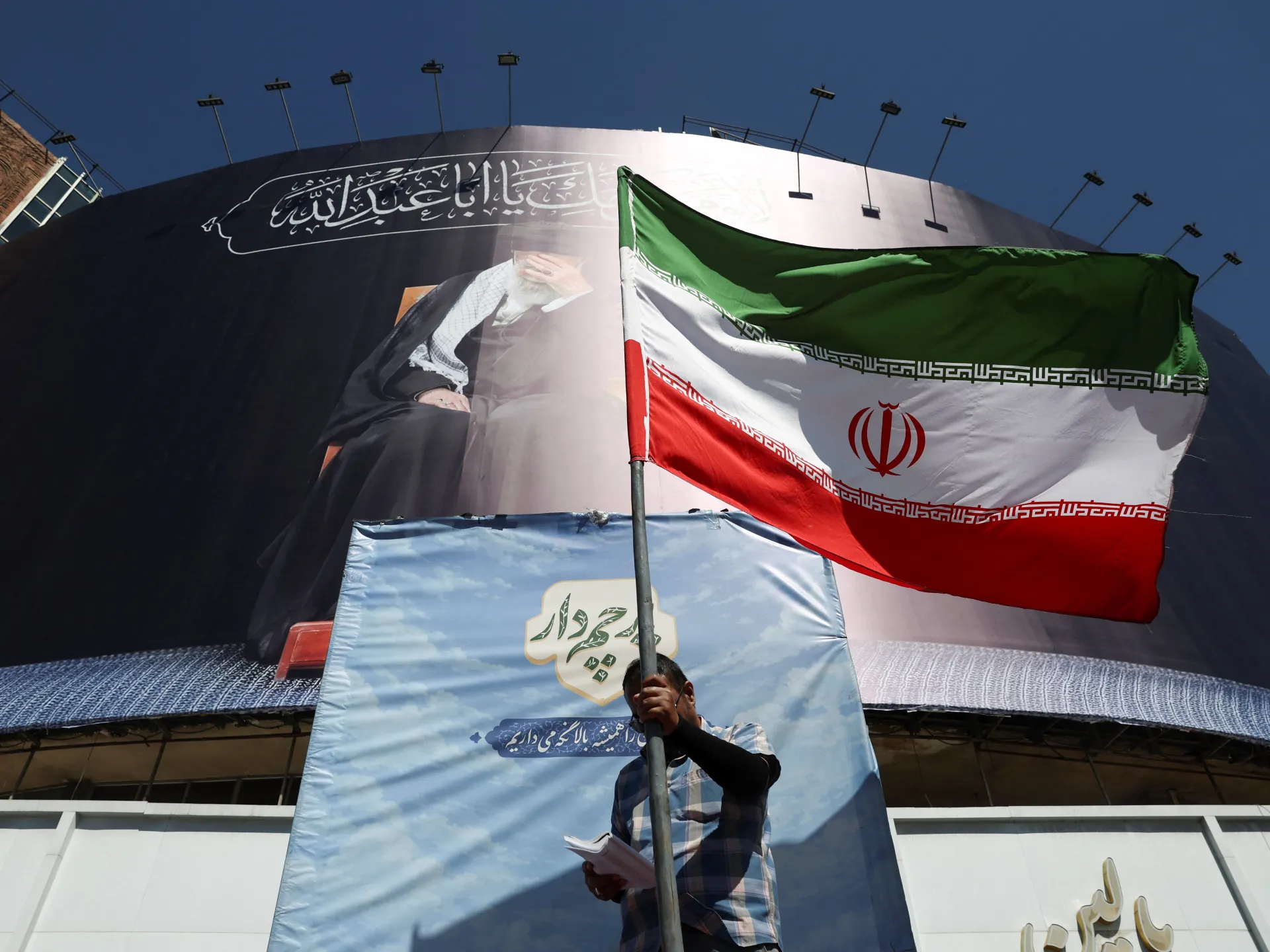
Escalating Tensions: Israeli Actions in Lebanon Jeopardize US-Iran Agreement
 world
world
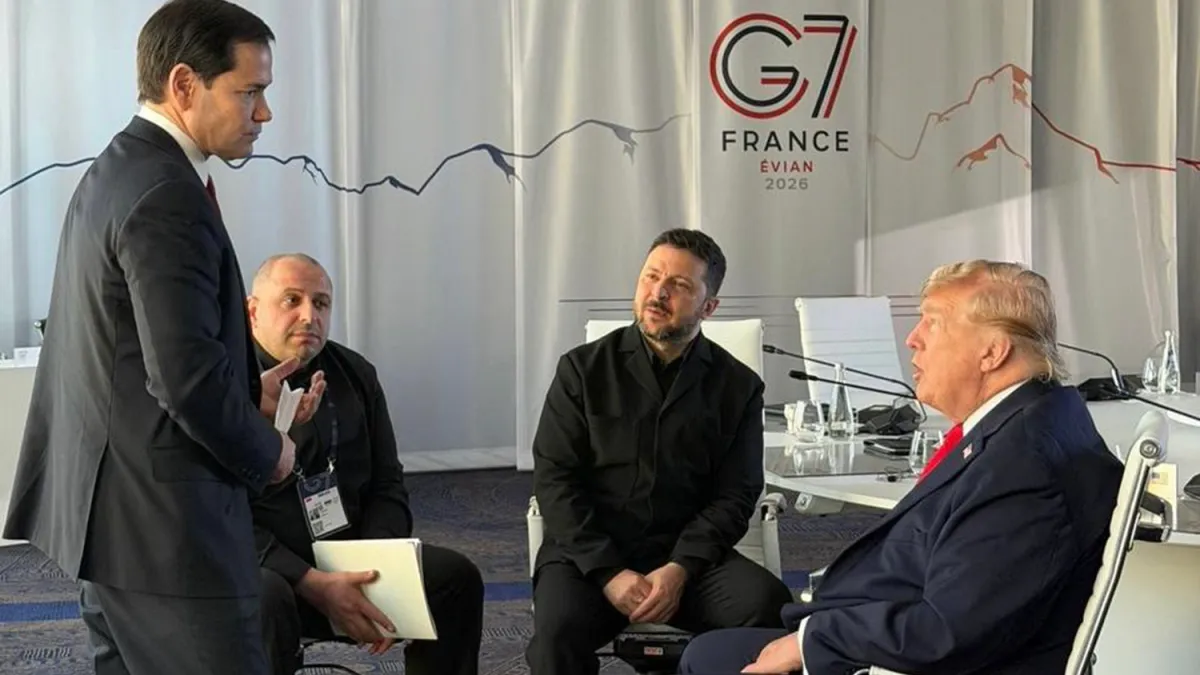
G7 Leaders Pledge Enhanced Support for Ukraine and Stricter Sanctions on Russia
 world
world