Strategic Importance of the Strait of Hormuz
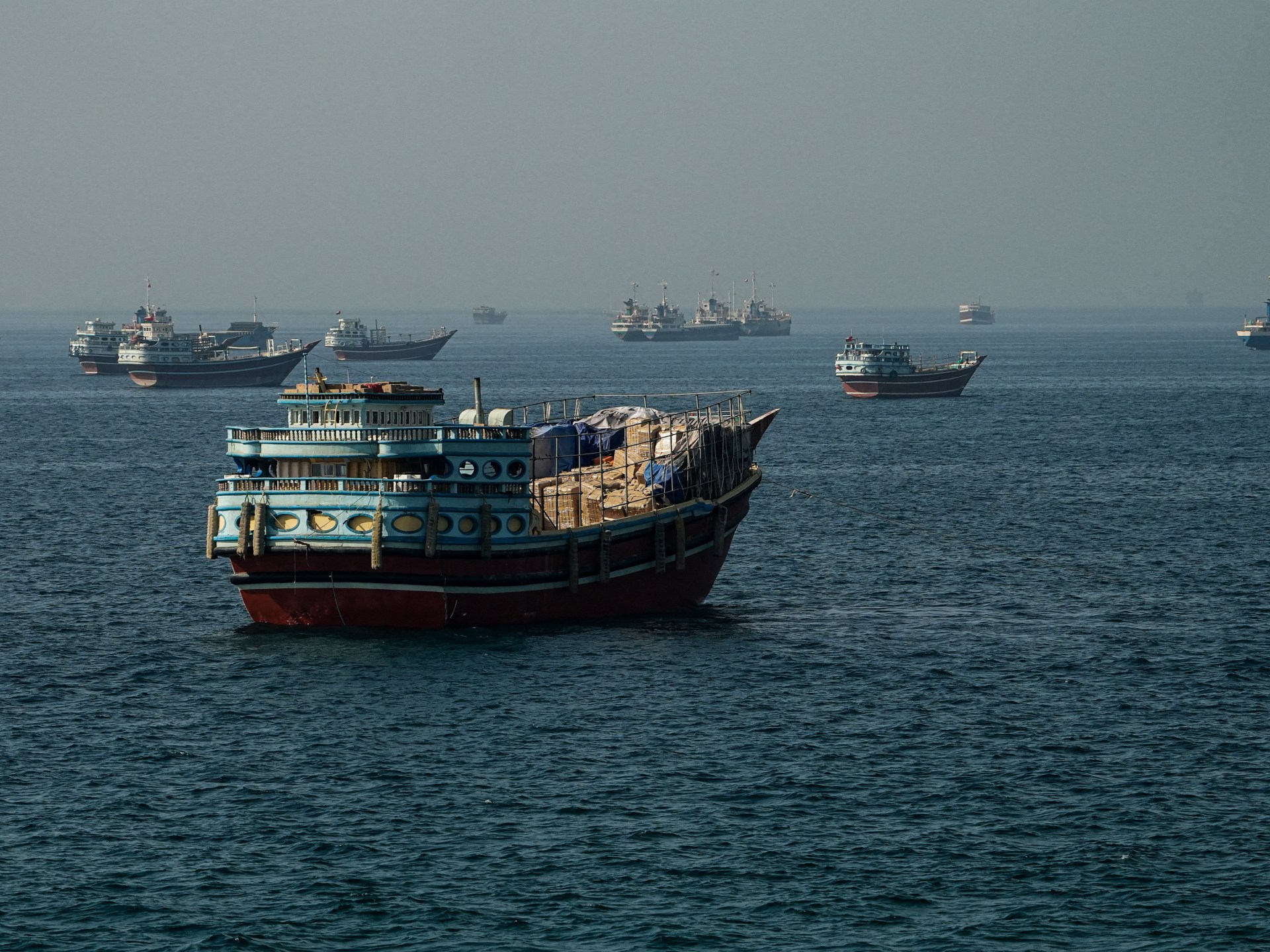
The Strait of Hormuz, a narrow waterway connecting the Persian Gulf with the Arabian Sea, holds immense strategic importance for global energy markets. Approximately one-fifth of the world's oil supply, alongside a substantial volume of liquefied natural gas, transits through this vital chokepoint daily. Its geographical significance makes it a recurring flashpoint in regional and international relations, particularly concerning Iran's role and its interactions with Western powers.
Iran's Renewed Assertiveness
Recent reports indicate that Iran is taking steps to reassert its control and influence over the Strait of Hormuz. While the specifics of these actions have not been fully detailed, they are perceived within a broader context of Iran's ongoing efforts to project its regional power and safeguard its national interests. This reassertion comes at a time when negotiations with the United States, aimed at resolving various contentious issues, appear to be stalled, contributing to an atmosphere of heightened uncertainty.
The Elusive US-Iran Deal
For an extended period, the international community has closely watched the complex and often fraught negotiations between the United States and Iran. These discussions frequently revolve around Iran's nuclear program, regional security, and economic sanctions. Despite numerous rounds of talks and diplomatic overtures, a comprehensive and mutually satisfactory agreement has remained elusive. Both sides have expressed a desire for a resolution, yet deep-seated mistrust and fundamental disagreements on key issues have consistently hampered progress.
Pentagon's Warning
Adding to the escalating tensions, Pentagon chief Pete Hegseth recently issued a stern warning regarding the potential for renewed conflict. Hegseth stated that the United States is 'more than capable' of restarting a war if a satisfactory deal with Iran is not reached. This declaration underscores the gravity of the situation and highlights the significant military capabilities the US possesses in the region. Such statements, while intended to exert pressure, also risk further inflaming an already delicate geopolitical landscape.
"The United States is more than capable of restarting a war if a satisfactory deal is not reached," Pentagon chief Pete Hegseth remarked.
Implications for Regional Stability and Global Markets
The convergence of Iran's assertive posture in the Strait of Hormuz and the stalled negotiations with the US carries significant implications. Regionally, an escalation of tensions could destabilize an already volatile Middle East, potentially drawing in other regional actors and international powers. For global markets, any disruption or perceived threat to the free flow of oil and gas through the Strait of Hormuz could lead to substantial price volatility and economic uncertainty, impacting economies worldwide.
Path Forward: Diplomacy or Confrontation?
The current trajectory suggests that the relationship between the US and Iran is at a critical juncture. The international community continues to advocate for diplomatic solutions, recognizing the high costs associated with military confrontation. However, the hardening stances from both Washington and Tehran, coupled with the strategic importance of the Strait of Hormuz, indicate that the path to a peaceful resolution remains complex and fraught with challenges. The coming months will likely be crucial in determining whether diplomacy can prevail or if the region is headed towards further escalation.
Source: Al Jazeera