Tragic Update on Disappeared Syrian Family
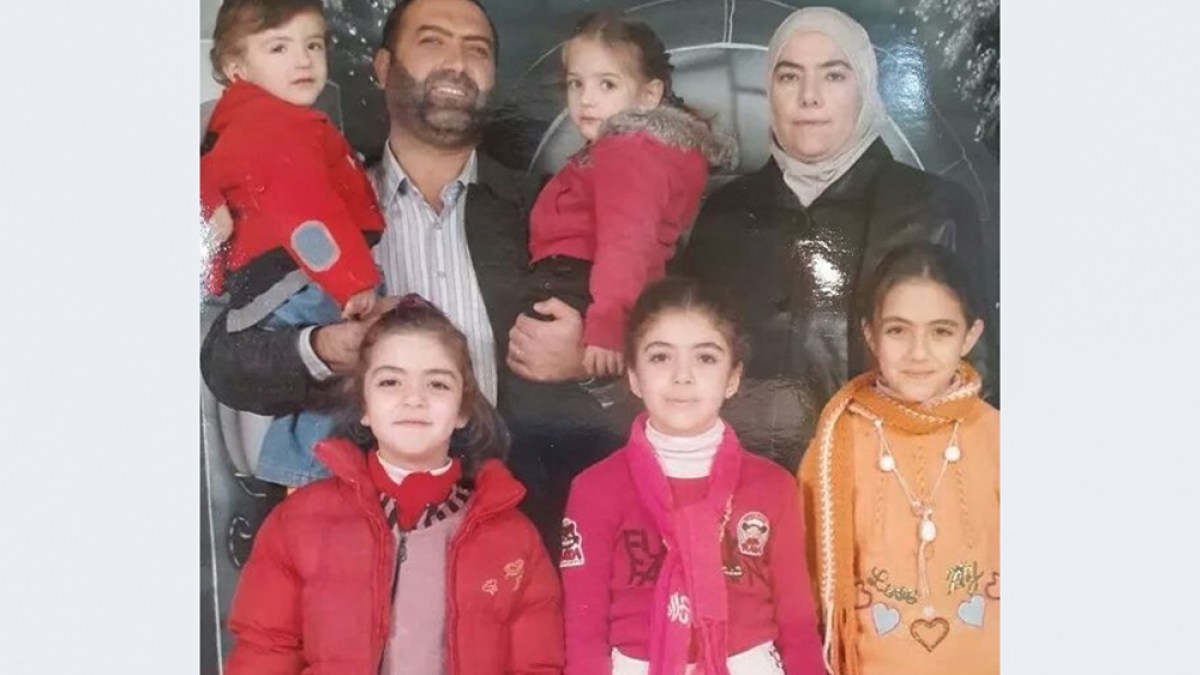
Recent statements from a Syrian commission suggest a tragic outcome for the six children of Rania al-Abbasi, a Syrian chess champion who, along with her entire family, vanished over a decade ago. The family's disappearance in 2013 during the rule of Bashar al-Assad has been a source of significant concern and speculation.
The Disappearance of Rania al-Abbasi and Her Family
Rania al-Abbasi, a prominent figure in Syrian chess, disappeared under distressing circumstances. She, her husband, and their six children were last seen in 2013, a period marked by intense conflict and widespread disappearances in Syria. Their case has drawn international attention as one among countless families affected by the ongoing crisis.
The family's disappearance was not isolated. During the Syrian conflict, human rights organizations documented numerous instances of individuals and entire families vanishing, often linked to arbitrary arrests, detention, or other forms of enforced disappearance. The lack of information regarding their whereabouts fueled fears and left their loved ones in a prolonged state of uncertainty.
Commission's Statement and Implications
While specific details regarding the commission's findings remain limited, the confirmation of the children's likely deaths marks a somber development. This announcement, coming years after their initial disappearance, brings a painful form of closure for those who have followed the family's plight.
The implications of such a statement are profound. It underscores the severe human cost of the conflict in Syria and highlights the ongoing challenges in accounting for the fates of thousands of missing persons. For many families, the struggle for truth and justice regarding their disappeared loved ones continues, often complicated by political instability and a lack of transparency.
"The confirmation of the children's likely deaths marks a somber development, underscoring the severe human cost of the conflict in Syria."
Context of Disappearances in Syria
The Syrian conflict, which began in 2011, has led to an immense humanitarian crisis, including an alarming number of enforced disappearances. Various reports from human rights groups, including the UN, have consistently highlighted the systematic nature of these disappearances, often attributed to both government forces and various armed opposition groups.
Families of the disappeared have long called for accountability and for independent investigations into the fate of their relatives. The absence of a clear legal framework for addressing these cases, coupled with the ongoing political complexities, has made it exceedingly difficult for families to obtain information, let alone justice.
International Response and Continued Advocacy
The international community has repeatedly expressed concern over the issue of missing persons in Syria. Organizations like the International Commission on Missing Persons (ICMP) and various UN bodies have advocated for mechanisms to resolve these cases, including the establishment of a dedicated body to clarify the fate and whereabouts of missing individuals.
The announcement regarding Rania al-Abbasi's children serves as a stark reminder of the countless unresolved cases. It reinforces the urgent need for a comprehensive and impartial approach to address the legacy of disappearances in Syria, providing answers and, where possible, justice for the victims and their families.
Source: Original Article