
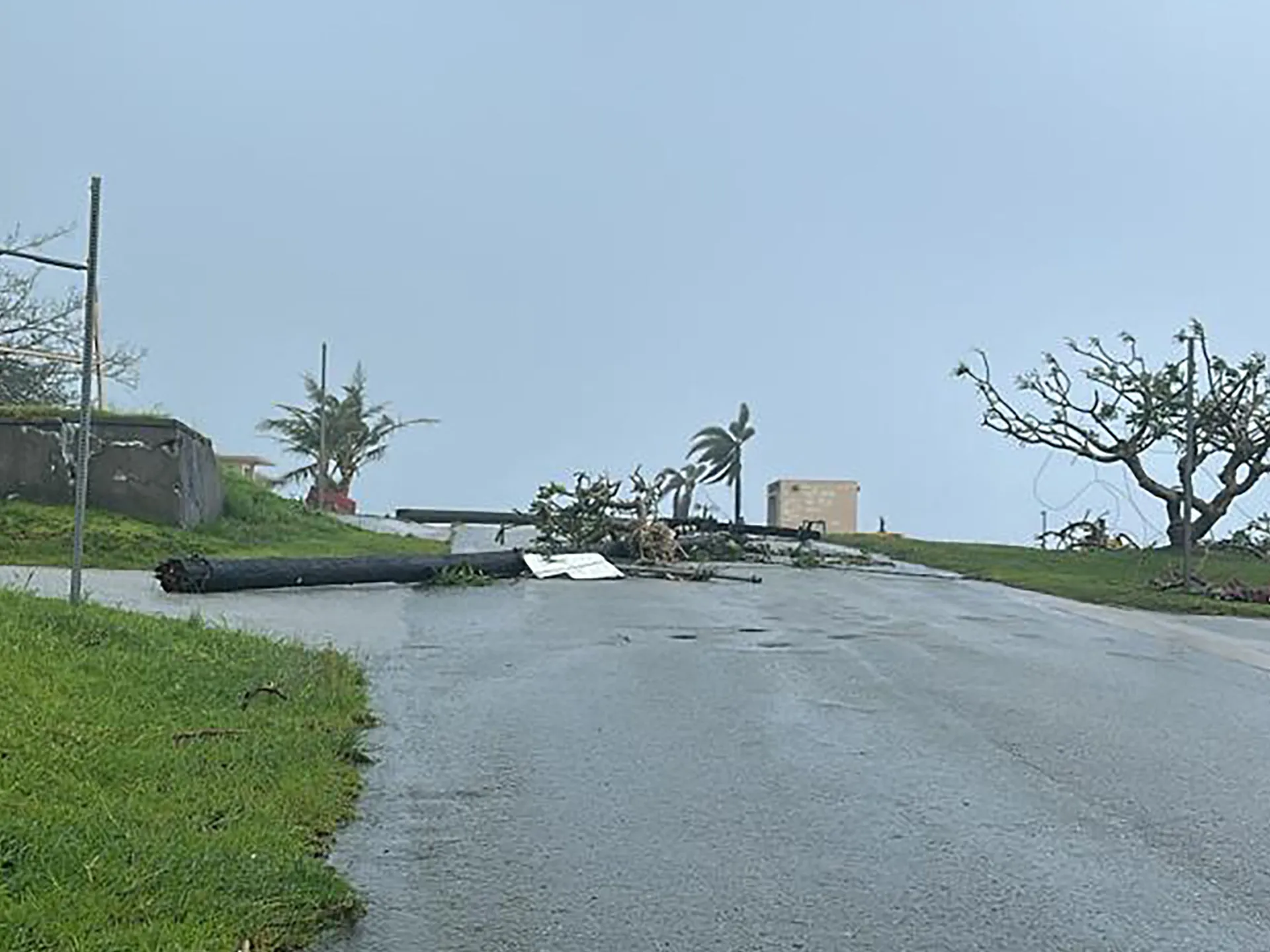
Powerful Typhoon Makes Landfall in Western Pacific
Super Typhoon Bavi has impacted United States territorial islands in the western Pacific, with initial assessments indicating significant damage following its landfall. The storm, characterized by powerful winds and torrential rain, primarily affected the Northern Mariana Islands and Guam.
The eye of Super Typhoon Bavi traversed over the island of Rota, part of the Northern Mariana Islands, during the morning hours of Monday, local time. The US National Weather Service (NWS) reported that the typhoon generated winds exceeding 150 mph (241 km/h), a force comparable to a Category 5 hurricane. At the time of its passage, the storm was moving westward at approximately 9 mph (14 km/h), with the Philippines as its projected trajectory.
Emergency Warnings and Initial Impact
Prior to the typhoon's arrival, the NWS issued urgent advisories to Rota's residents via social media. These warnings instructed individuals to seek immediate shelter in interior rooms or designated safe areas, emphasizing the extreme nature of the impending winds and equating them to a tornado threat. The storm's path affected not only Rota but also other areas within the Northern Mariana Islands and the nearby US territory of Guam.
These islands are still in the process of recovery from Super Typhoon Sinlaku, which struck the region in mid-April. The collective population of the Northern Marianas and Guam is approximately 210,000 residents.
Local authorities on Rota, which is the southernmost island of the Northern Marianas and situated less than 80 kilometers (50 miles) north of Guam, have confirmed receiving reports of “major damages.” However, the full extent of the destruction remains unclear due to challenges in establishing and maintaining communication channels.
In addition to Rota, typhoon warnings and flash flood warnings were in effect for Guam, Tinian, and Saipan. Other islands in the vicinity were under tropical storm warnings and watches. The NWS projected that the storm could deliver at least 20 inches (51 cm) of rainfall to the affected region, exacerbating potential hazards.
Continued Weather Conditions and Preparedness
While Super Typhoon Bavi moved through the region at a faster pace compared to its predecessor, Super Typhoon Sinlaku, the NWS indicated that tropical storm conditions were expected to persist in the islands until at least Monday night. This prolonged period of adverse weather underscores the ongoing challenges faced by residents and emergency services.
In anticipation of the typhoon's impact, Guam Governor Lou Leon Guerrero had issued a video message on Sunday, urging residents to remain indoors or at designated shelters to ensure their safety during the severe weather event. Such proactive measures are critical in mitigating the risks associated with powerful typhoons in the Pacific.
The consistent threat of super typhoons highlights the vulnerability of these island territories to extreme weather events, necessitating robust infrastructure and comprehensive emergency preparedness strategies to protect communities and facilitate recovery efforts. The long-term implications of these successive storms on the infrastructure, economy, and daily lives of the residents of the Northern Mariana Islands and Guam will require careful assessment and sustained support.
Source: Original Article
Related Articles
 news
news
Venezuelan Stadium Transforms into Emergency Shelter Following Earthquakes
 news
news
Tehran Witnesses Massive Turnout for Supreme Leader's Funeral Rites
 news
news
Footage Emerges of Israeli Soldier Deploying Stun Grenade in Palestinian Vehicle
 news
news