
Emergency Response in La Guaira
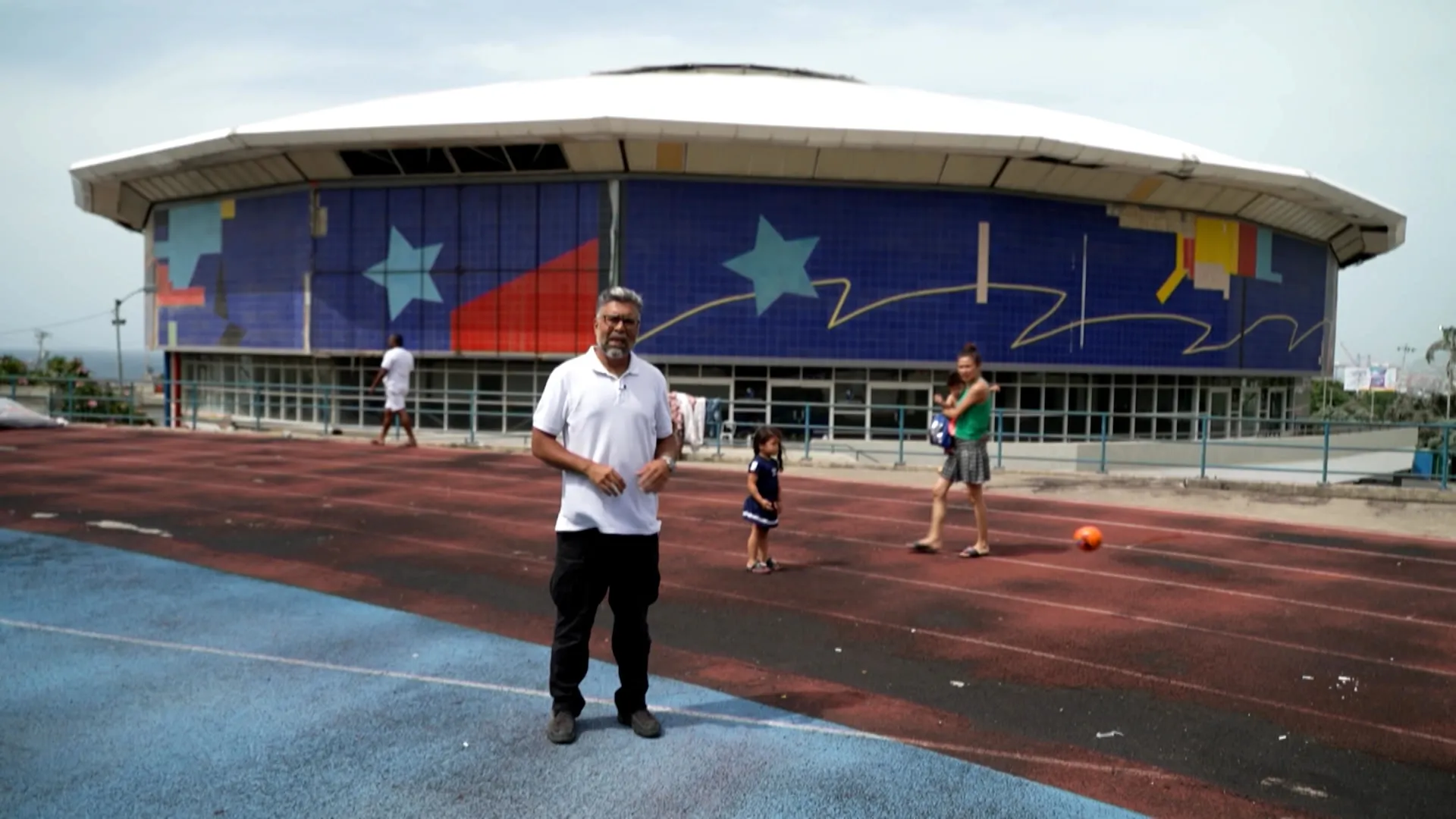
In the aftermath of recent seismic events that affected Venezuela, a significant sports facility located in the state of La Guaira has been converted into an emergency shelter. This transformation addresses the immediate housing needs of thousands of residents who have been displaced from their homes. Beyond providing temporary accommodation, the stadium is also functioning as a central logistics point for relief efforts, facilitating the distribution of aid and coordination of humanitarian assistance.
The Scope of Displacement
The earthquakes have led to widespread displacement, necessitating rapid and organized responses to ensure the safety and well-being of affected communities. The decision to utilize a large-scale public venue such as a sports stadium underscores the magnitude of the crisis and the urgent need for comprehensive support structures. Families and individuals, many of whom have lost their residences or are unable to return due to safety concerns, are now relying on these temporary facilities for shelter, food, and basic necessities.
Logistical Hub for Aid Distribution
The stadium's substantial capacity and existing infrastructure make it an ideal location for a central logistical hub. This allows aid organizations to efficiently receive, sort, and distribute essential supplies, including food, water, medical provisions, and hygiene kits. The centralization of these operations is critical in managing the flow of resources and ensuring that aid reaches those who need it most in a timely manner. The setup aims to streamline the relief process, reducing bottlenecks and enhancing the overall effectiveness of humanitarian interventions.
A Model for Future Emergency Shelters
Humanitarian organizations involved in the relief efforts are reportedly viewing the La Guaira stadium's conversion as a potential blueprint for future emergency responses. The strategic planning and implementation demonstrated in establishing this facility are being evaluated as a model that could be replicated in other areas or during similar crises. This approach highlights the importance of adaptability and resourcefulness in disaster management, particularly in utilizing existing public infrastructure for humanitarian purposes.
Community Impact and Support
The establishment of the shelter has had a profound impact on the local community, offering a sense of stability and security amidst the chaos. Volunteers, local authorities, and non-governmental organizations are working collaboratively to manage the shelter's operations, provide support to the displaced individuals, and address their diverse needs. This collective effort is crucial in fostering resilience and aiding the recovery process for those affected by the earthquakes. The presence of medical personnel, social workers, and other support staff within the stadium ensures that residents receive not only physical necessities but also emotional and psychological support during this challenging period.
Challenges and Continued Efforts
While the stadium provides a vital temporary solution, challenges remain in addressing the long-term needs of the displaced population. These include securing permanent housing solutions, rebuilding damaged infrastructure, and restoring livelihoods. The ongoing efforts will require sustained funding, international cooperation, and strategic planning to transition individuals from temporary shelters to more stable living arrangements. The initial success of the stadium as an emergency response center provides a foundation, but the journey towards full recovery for the affected communities is expected to be extensive and complex.
Looking Ahead
The situation in La Guaira serves as a poignant reminder of the devastating impact of natural disasters and the critical role of swift, coordinated humanitarian action. The transformation of the sports stadium into a multifaceted emergency facility exemplifies an adaptive response to a crisis, offering immediate relief and a framework for future disaster preparedness. As the relief efforts continue, the focus remains on supporting the displaced, rebuilding lives, and learning from the current experience to enhance future emergency management strategies.
Source: Original Article
Related Articles
 news
news
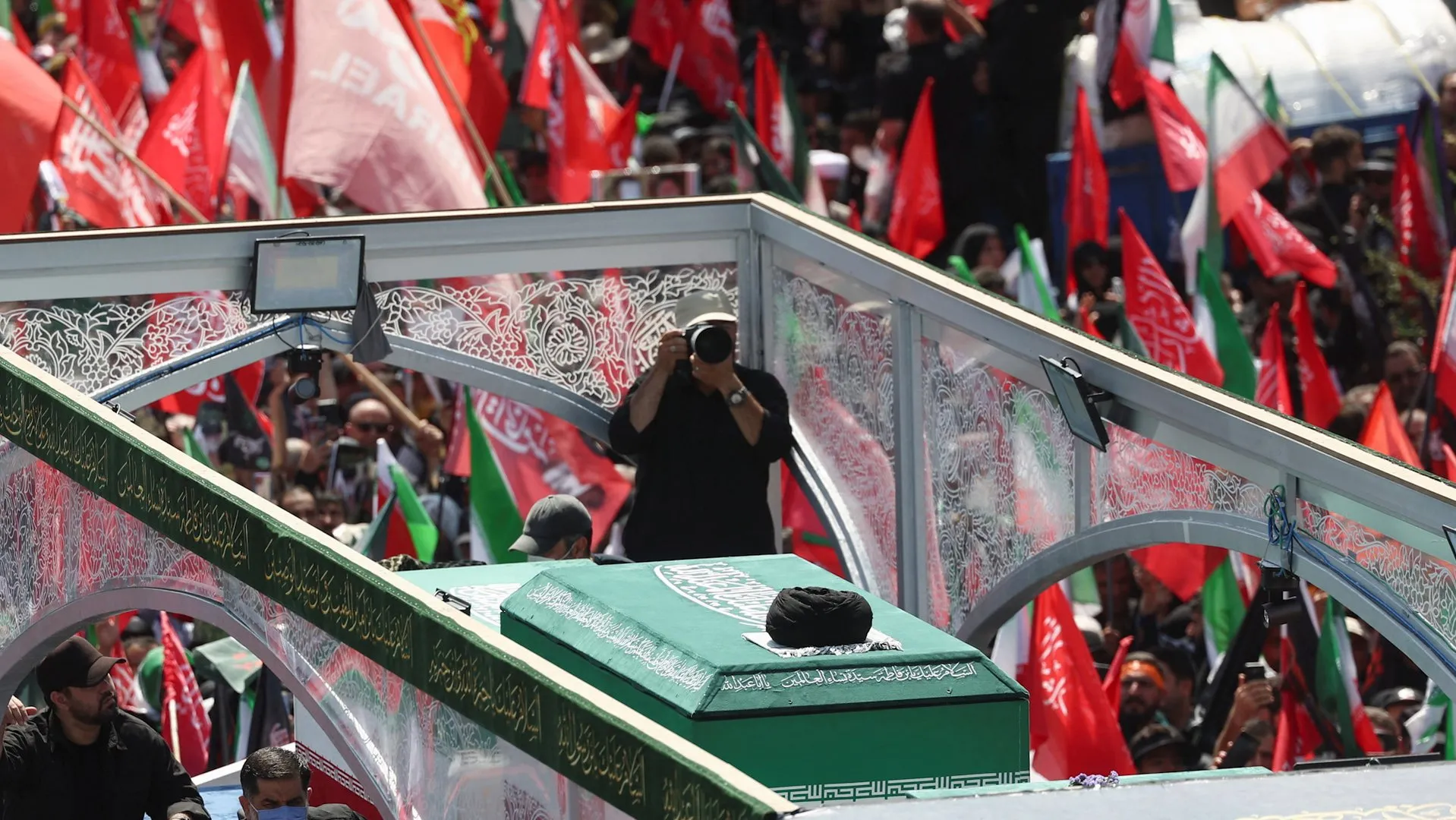
Tehran Witnesses Massive Turnout for Supreme Leader's Funeral Rites
 news
news
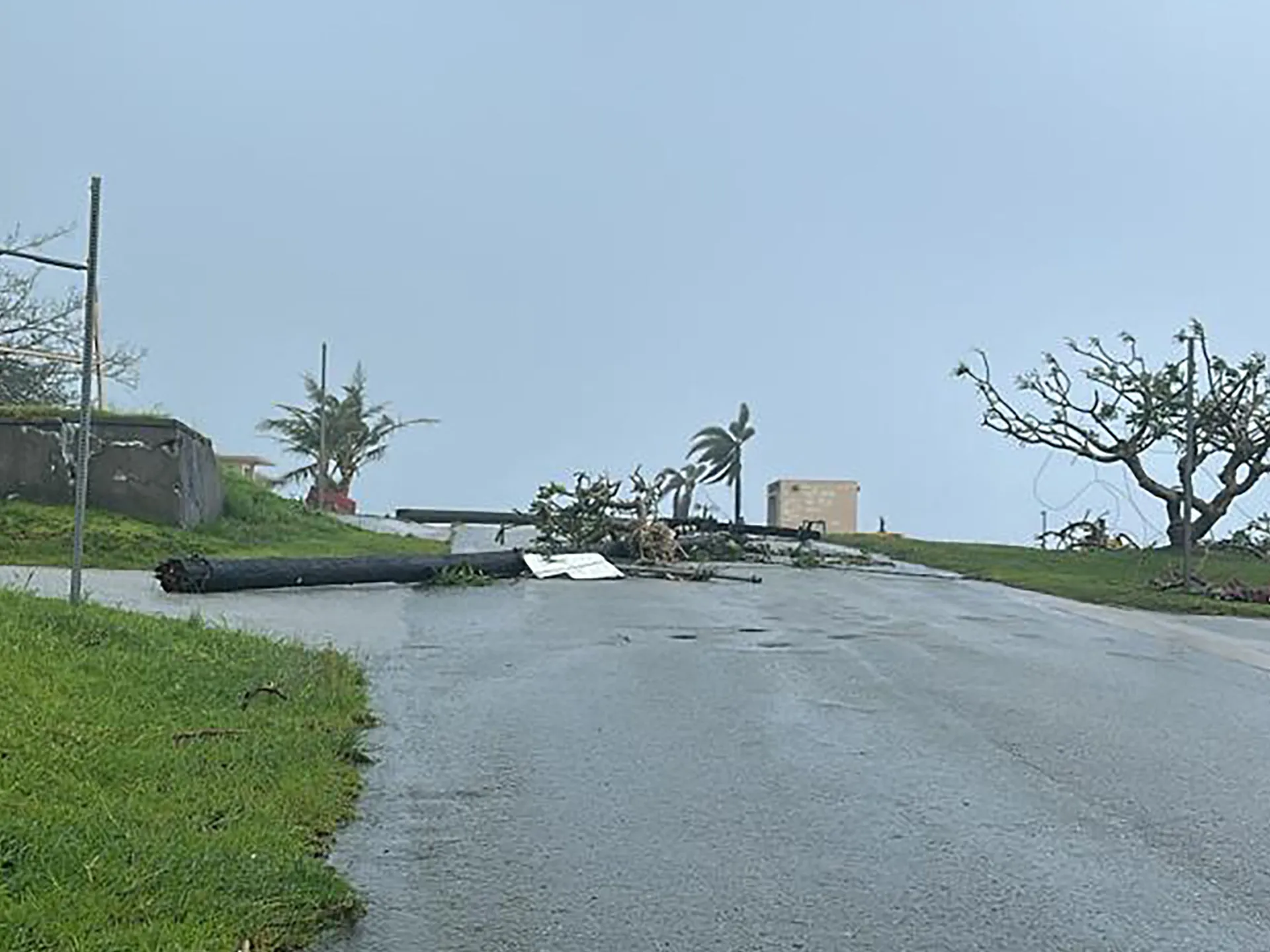
Super Typhoon Bavi Strikes US Pacific Territories, Causing Widespread Damage
 news
news
Footage Emerges of Israeli Soldier Deploying Stun Grenade in Palestinian Vehicle
 news
news