
Commencement of Mourning Period in Iran
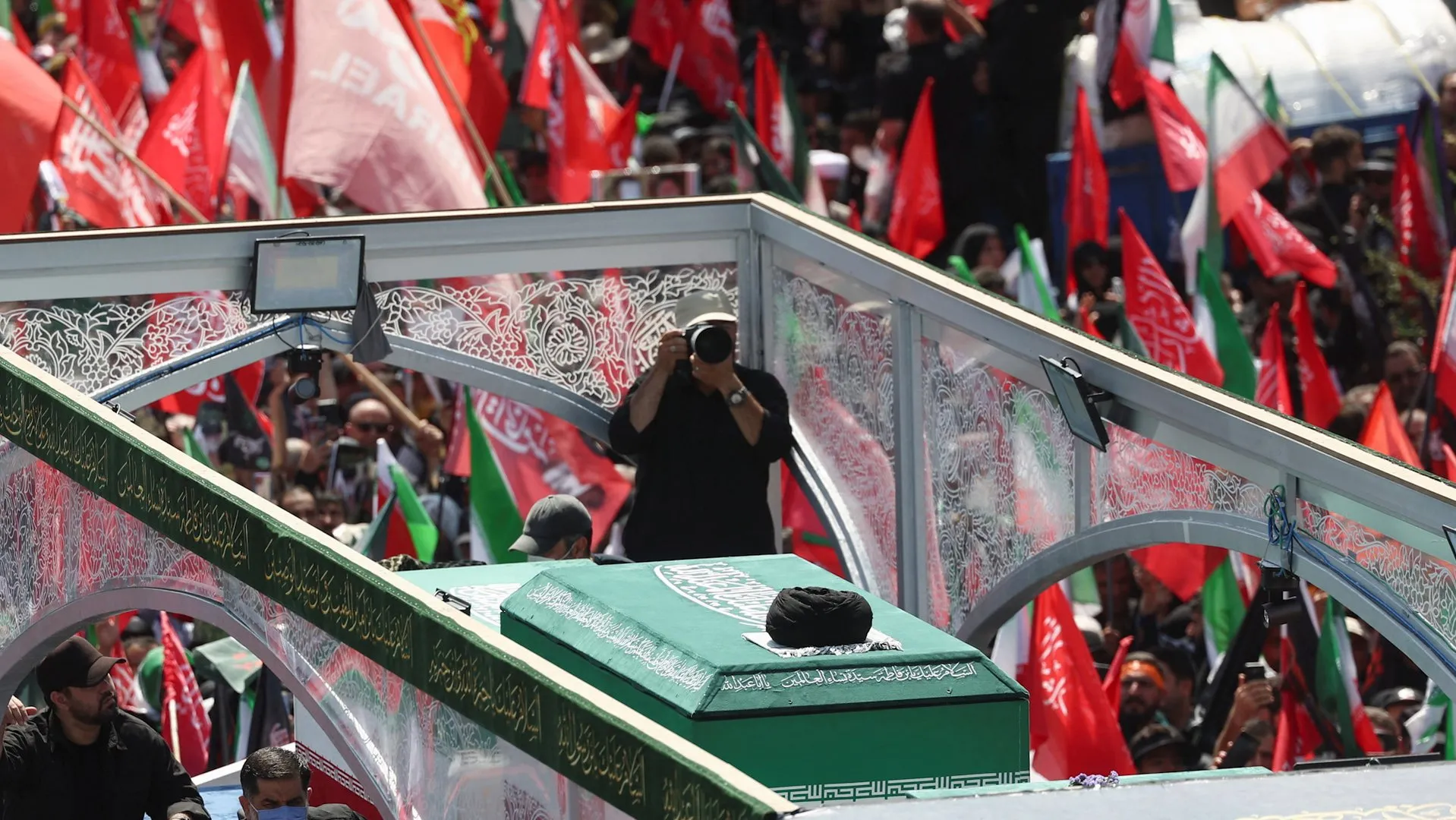
The capital city of Iran, Tehran, has become the focal point of national mourning as large crowds convened to participate in the funeral procession for the country's former Supreme Leader, Ayatollah Ali Khamenei. This event signifies the beginning of an extended period of remembrance and ceremonial observances planned over the course of a week.
The procession, characterized by its slow movement through the city's thoroughfares, drew a substantial number of citizens, reflecting the national impact of the leader's passing. The atmosphere in Tehran was one of solemn observance, with participants gathering to pay their final respects. This gathering is a central component of the state-organized mourning activities following the Supreme Leader's death, which occurred in February.
Background to the Leader's Demise
Ayatollah Ali Khamenei's death in February was attributed to what Iranian authorities described as US-Israeli air attacks. This assertion has been a significant aspect of the national discourse surrounding his passing and the subsequent memorial arrangements. The incident that led to his death has been a point of international attention, influencing regional dynamics and discussions on geopolitical stability.
The specifics of the alleged attacks, including their targets and operational details, have been subjects of various reports and official statements from different parties. These events have contributed to a heightened sense of national unity and resolve within Iran, as evidenced by the widespread participation in the funeral proceedings.
The Significance of Public Gatherings
Public gatherings of this scale in Iran often carry profound political and social implications. They serve not only as expressions of grief but also as demonstrations of collective identity and support for the existing political framework. The visual spectacle of vast numbers of people participating in the funeral procession is frequently interpreted as a display of national strength and solidarity in the face of external pressures.
Historically, such events have been crucial in shaping public perception both domestically and internationally. For the Iranian populace, these ceremonies offer an opportunity for communal mourning and shared experience, reinforcing cultural and religious traditions. For international observers, they provide insights into the internal state of the nation and the level of public engagement with its leadership.
The Role of the Supreme Leader in Iran
Ayatollah Ali Khamenei served as the second Supreme Leader of Iran, a position of immense authority and influence within the country's political and religious structure. The Supreme Leader holds ultimate power over state policy, military decisions, and judicial appointments. His passing, therefore, marks a pivotal moment in Iranian governance and succession planning.
The process of selecting a new Supreme Leader is a complex one, typically involving the Assembly of Experts, a body of 88 Islamic clerics. This transition period is closely watched by both domestic and international entities due to its potential impact on Iran's future trajectory, both internally and in its foreign relations. The legacy of Ayatollah Khamenei, who held the position for several decades, is expected to continue influencing the country's policies and ideological direction.
Anticipated Week of Ceremonies
The funeral procession in Tehran is merely the initial phase of a comprehensive week of ceremonies planned across Iran. These events are designed to commemorate the life and contributions of the late Supreme Leader, allowing citizens from various regions to participate in the national mourning. Such extended periods of remembrance are customary for figures of his stature in Iran, providing multiple opportunities for public expressions of respect and grief.
These ceremonies often include religious services, public speeches by prominent figures, and cultural events aimed at honoring the deceased leader's memory. The widespread participation observed in Tehran is anticipated to be replicated in other cities as the week progresses, further solidifying the national character of the mourning period. The meticulous planning of these events underscores their importance in the national narrative and the continuation of state traditions.
International Reactions and Regional Impact
The death of Ayatollah Ali Khamenei and the circumstances surrounding it have elicited varied reactions from the international community. Nations globally have been observing the developments in Iran closely, given the country's significant role in Middle Eastern geopolitics and its relations with major world powers.
The allegations of US-Israeli involvement in his death have further complicated an already intricate regional landscape, potentially leading to increased tensions and diplomatic challenges. The period of mourning and the subsequent transition of leadership are therefore not only internal Iranian affairs but also events with broader international implications, influencing alliances, security concerns, and economic stability in the region.
Source: Original Article
Related Articles
 news
news
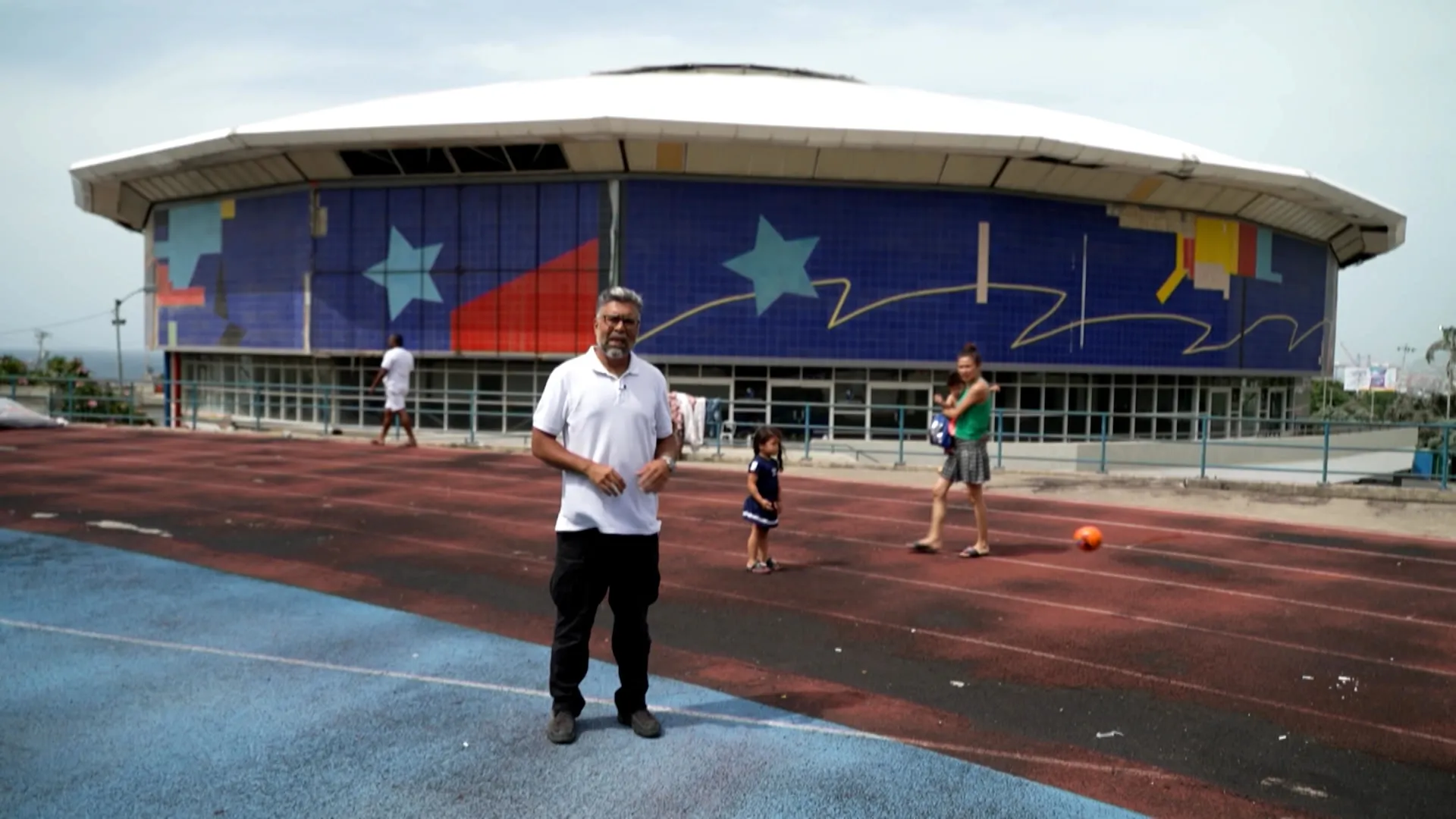
Venezuelan Stadium Transforms into Emergency Shelter Following Earthquakes
 news
news
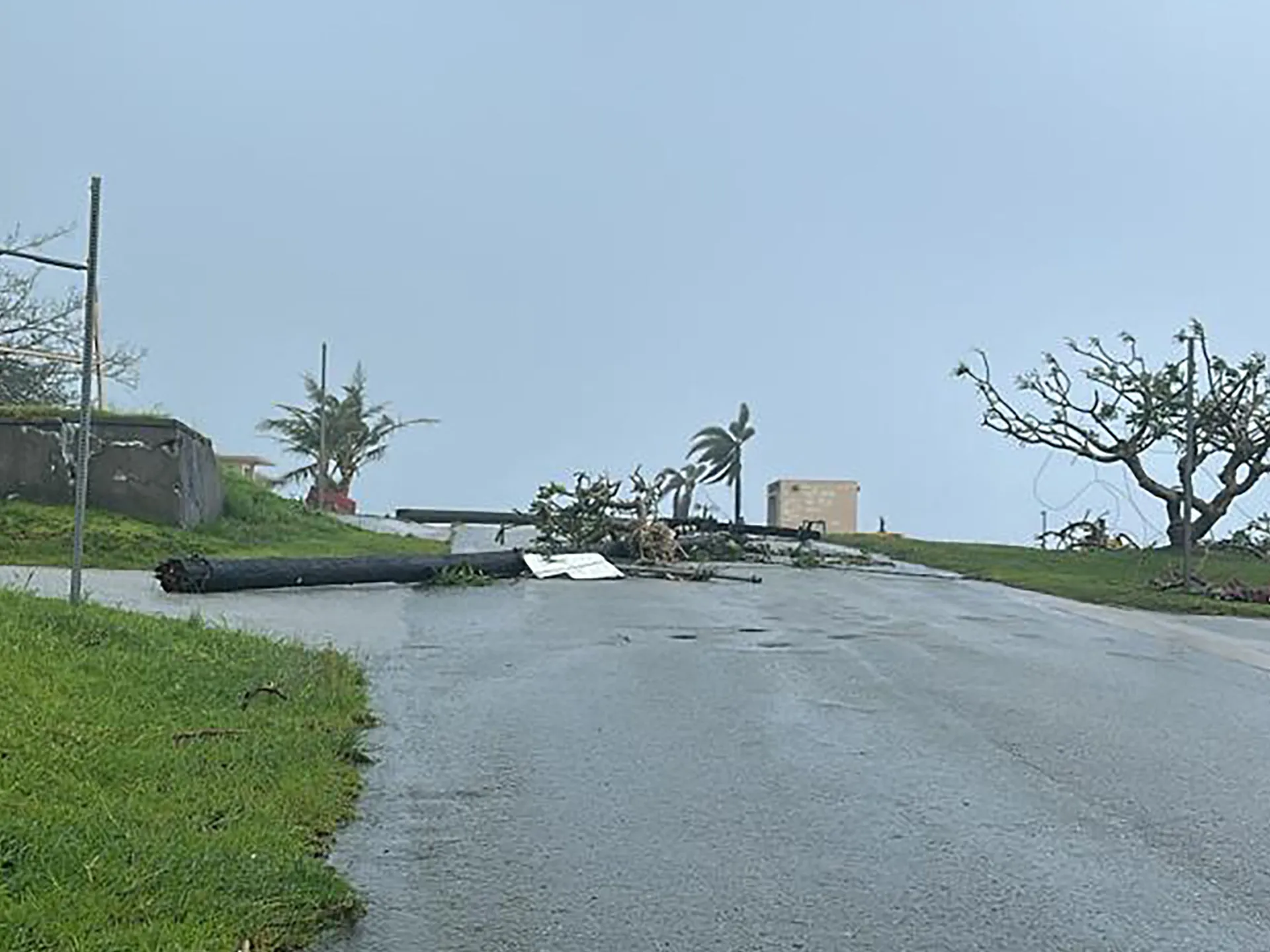
Super Typhoon Bavi Strikes US Pacific Territories, Causing Widespread Damage
 news
news
Footage Emerges of Israeli Soldier Deploying Stun Grenade in Palestinian Vehicle
 news
news