Overview of the Incident
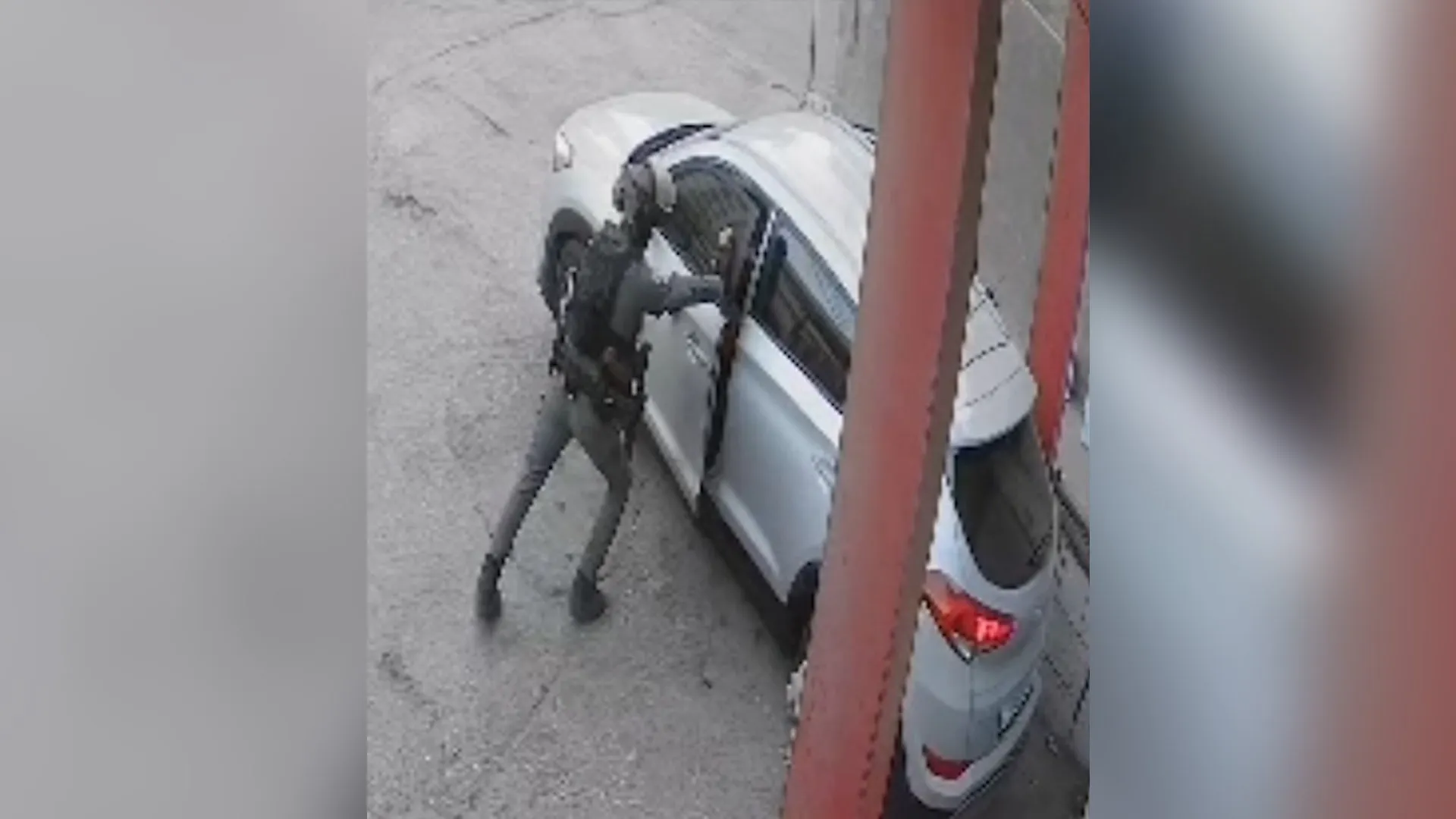
An incident captured by security cameras has drawn attention, depicting an Israeli soldier reportedly throwing a stun grenade into a vehicle occupied by young Palestinians. The event is said to have occurred during a military operation within the Qalandiya refugee camp, located in the occupied West Bank. The footage, which has been disseminated, appears to show the soldier approaching the vehicle, deploying the device, and subsequently closing the car door as the grenade detonates.
Details of the Alleged Event
The sequence of events presented in the security camera video begins with what appears to be an Israeli soldier engaging with a parked car. Inside the car, several young Palestinians are reportedly present. The soldier is then seen to throw a stun grenade into the interior of the vehicle. Following this action, the footage suggests that the soldier actively closes the car door, seemingly before the stun grenade fully detonates. Stun grenades, also known as flash-bangs, are non-lethal devices designed to temporarily disorient and incapacitate individuals through the emission of a loud bang and an intense flash of light.
The specific circumstances leading up to this interaction, including any preceding events or verbal exchanges, have not been extensively detailed in the available reports. The focus of the disseminated footage is primarily on the act of deploying the stun grenade and the immediate aftermath as captured by the camera. Such incidents often raise questions regarding the rules of engagement, the use of force in populated areas, and the protocols followed by military personnel during security operations.
Context of the Qalandiya Refugee Camp
The Qalandiya refugee camp, where this incident reportedly took place, is situated between Jerusalem and Ramallah in the West Bank. Established in 1949, it is one of the numerous refugee camps in the Palestinian territories. These camps are often characterized by high population density, narrow streets, and challenging socio-economic conditions. Military operations within such environments are frequently reported and can be complex due to the close proximity of civilian populations.
The presence of Israeli forces in the West Bank, including refugee camps, is part of the ongoing security arrangements and control measures implemented in the territory. These operations are often conducted with stated objectives such as apprehending suspects, maintaining security, or responding to perceived threats. However, they are also a frequent source of tension and confrontation between Israeli forces and Palestinian residents, sometimes leading to injuries or fatalities.
Implications and Perspectives
Incidents such as the one captured in the footage tend to elicit diverse reactions and interpretations. From one perspective, the deployment of a stun grenade might be viewed as a measure to control a situation, disperse individuals, or neutralize a perceived threat without resorting to lethal force. Military and security forces often employ such devices as part of their crowd control and apprehension tactics, aiming to achieve compliance or create a momentary advantage in dynamic situations.
Conversely, critics and human rights organizations frequently raise concerns about the use of force, particularly in residential areas and against civilians, including minors. Questions often arise regarding the necessity and proportionality of such actions, as well as potential risks to individuals' safety and well-being. The impact of such events on the local population, including psychological effects and increased distrust, is also a significant consideration.
The dissemination of visual evidence through security cameras and other recording devices has become increasingly common in documenting such events. This footage often serves as a crucial element in public discourse, investigations, and the formation of public opinion regarding the conduct of security forces and the experiences of affected communities. The video in question contributes to this broader body of documented incidents within the Israeli-Palestinian context, highlighting the persistent complexities and sensitivities of the situation on the ground.
Source: Original Article