
The World's Highest Battlefield: A Persistent Stalemate
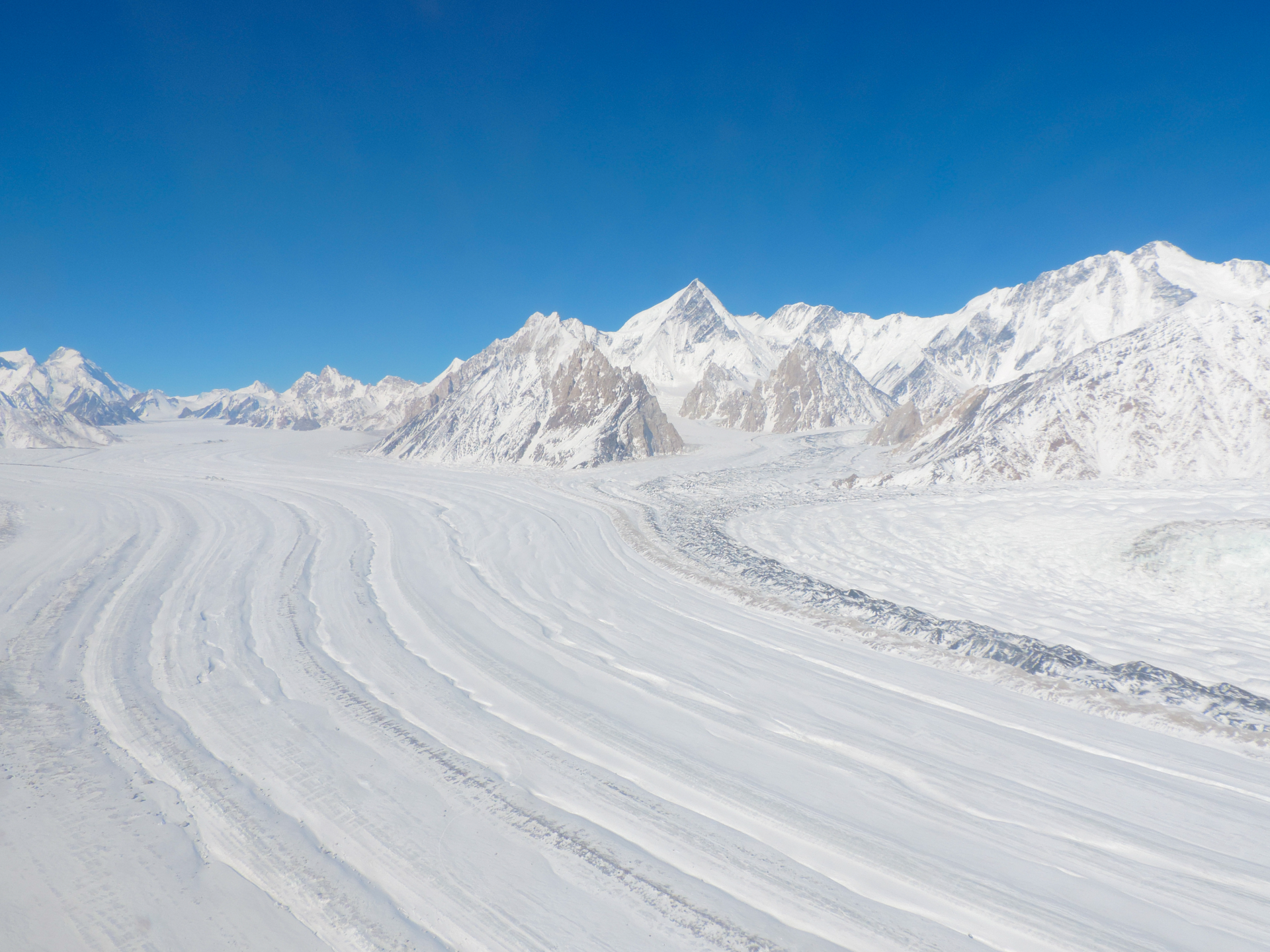
Nestled deep within the Karakoram mountain range, where the borders of India, Pakistan, and China converge at extreme altitudes, lies the Siachen Glacier. Known to the people of Baltistan and Ladakh as the "land of wild roses," this 70-kilometer-long frozen river, containing over a trillion cubic feet of ice, has been a continuous flashpoint between India and Pakistan since April 1984. Despite numerous conflicts and ceasefires along their de facto border in Kashmir, including the intense 1999 Kargil war and a missile exchange in May 2025, the Saltoro Ridge, west of Siachen, has remained largely silent in terms of direct combat. Yet, peace has not truly settled on the glacier, as soldiers from both nations maintain their strategic positions, perpetuating a conflict that has developed its own rationale for persistence.
Nature's Unforgiving Toll: The True Enemy
Unlike conventional battlefields where bullets and bayonets are the primary causes of casualties, Siachen presents a unique and far more merciless adversary: the extreme environment itself. Since a ceasefire was signed in November 2003, not a single soldier has died from combat wounds on the glacier. Instead, the heroes of Siachen are those who succumb to the brutal conditions—freezing temperatures, bottomless crevasses, and devastating avalanches. For instance, in the first three months of 2016 alone, the Indian army lost 17 men to the elements. India's official count of weather-related deaths has exceeded 1,100 since 1984, a number that continues to rise.
One poignant example of nature's power occurred on February 3, 2016. Ten Indian soldiers of the 19 Madras Battalion were buried when an 800-meter-wide, 182-meter-high ice wall collapsed on their post at Sonam Post. While five bodies were recovered quickly, it took rescue teams five days to find Lance Naik Hanamanthappa Koppad, miraculously alive within his shattered shelter. His survival captivated a nation, with Prime Minister Narendra Modi and then-Army Chief General Dalbir Singh Suhag visiting him in the hospital. However, the miracle was short-lived, as Koppad passed away three days later due to his severe condition. This incident underscored the daily perils faced by soldiers stationed in this unforgiving landscape.
The Pakistani side has also suffered immense losses due to the environment. The most significant single incident occurred on April 6-7, 2012, when a massive avalanche engulfed a Pakistani Army base in the Gayari sector, burying 129 soldiers and 11 civilian contractors. The scale of the disaster was immense, covering 1.2 square kilometers under 60 meters of granite-hard ice. Rescue efforts lasted 16 months, recovering 131 bodies, though nine men were never found.
The Harsh Realities of High-Altitude Warfare
The human cost of the Siachen conflict is staggering, with over 2,000 lives lost since 1984, a figure comparable to the Kargil war's total death toll. However, less than three percent of these deaths were due to actual fighting; the vast majority were claimed by the mountain itself. Temperatures regularly plummet to minus 50 degrees Celsius, winter snowfall can reach 10 meters, and blizzards rage at speeds up to 300 km/h, lasting for days. Avalanches are common across altitudes ranging from 13,000 to 22,000 feet, where oxygen levels are dangerously low, often less than 30 percent. Soldiers routinely suffer from frostbite, snow blindness, and other debilitating conditions that leave lasting physical and psychological scars.
The financial burden is equally immense. India's last officially reported expenditure for Siachen in 2015-16 was $499 million, a figure observers believe is now significantly higher due to inflation and rising logistical costs. Pakistan's annual expenditure during the same period was estimated between $50 million and $60 million for its 3,000-4,000 troops. Both nations, despite having large segments of their populations living below the poverty line and Pakistan facing recent economic crises, continue to justify these substantial outlays for maintaining a presence on the glacier.
Environmental Impact and Undefined Borders
Beyond the human and financial costs, the Siachen conflict carries a significant environmental price. Approximately 900 kilograms of human waste are dumped into the glacier's crevasses daily, and heavy artillery containing toxic metals contaminates the meltwater. This meltwater feeds the Nubra and Shyok rivers, which are crucial components of the Indus River system, a shared and often contentious resource between India and Pakistan. While the Siachen Glacier has historically shown unusual resilience, a phenomenon known as the Karakoram Anomaly, recent studies indicate a shift towards net mass loss since 2018. This suggests that the armies are fighting over an asset that may be diminishing.
The origins of this persistent conflict trace back to an incomplete border demarcation. In 1949, during the Karachi Agreement, the Ceasefire Line (CFL) was agreed upon only up to map grid-point NJ 9842, near the southern end of the Siachen glacier. Beyond this point, due to the inhospitable terrain, the agreement vaguely stated that the line should continue "thence north to the glaciers." This left an undemarcated stretch of 60 to 70 kilometers to the Karakoram Pass, creating an ambiguous zone that both India and Pakistan later sought to control. This geographical ambiguity, combined with historical tensions and strategic interests, has ensured that the Siachen Glacier remains a deadly symbol of an unresolved conflict, where men continue to perish in a struggle against both nature and an enduring geopolitical standoff.
Source: Original Article
Related Articles
 world
world
Global Water Crisis: Satellite Imagery Reveals Ten Disappearing Freshwater Sources
 world
world
Escalating Tensions: Israeli Actions in Lebanon Jeopardize US-Iran Agreement
 world
world
G7 Leaders Pledge Enhanced Support for Ukraine and Stricter Sanctions on Russia
 world
world