Rwanda's Strategic Nuclear Endeavor with Russia
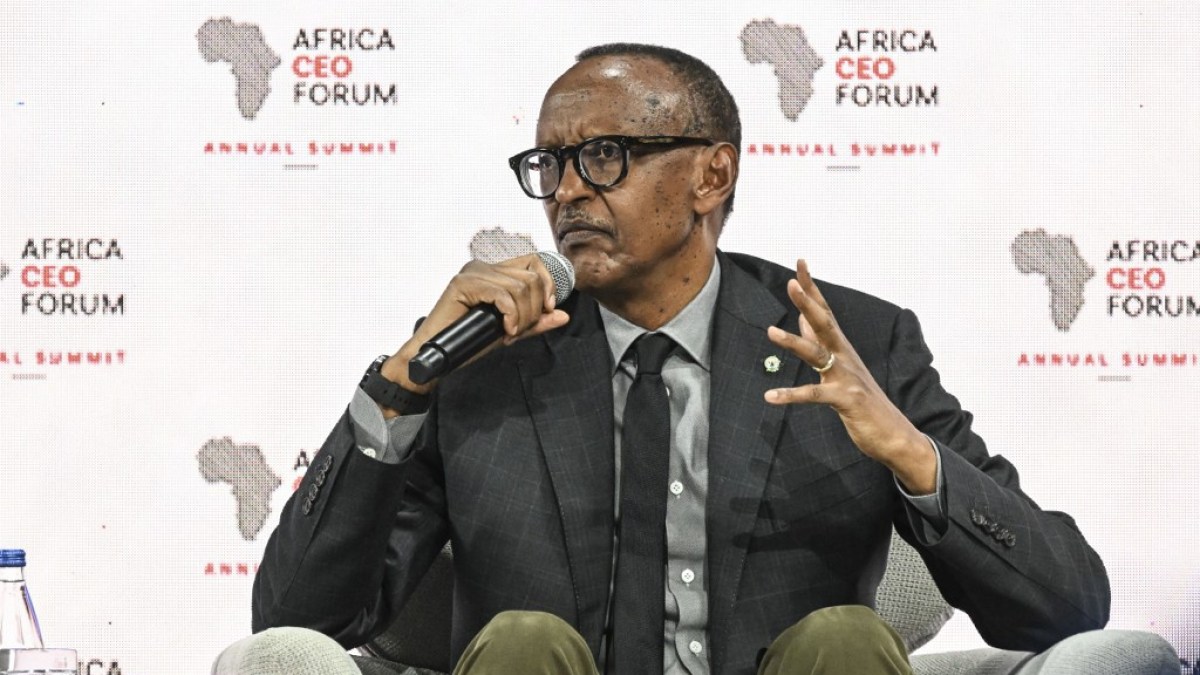
Rwanda has embarked on a significant collaboration with Russia in the field of nuclear energy, focusing on training and research initiatives. This partnership is seen as a key step in Rwanda's broader strategy to enhance its technological capabilities, particularly in areas such as healthcare, and to bolster its diplomatic standing on the global stage.
The agreement, while specific to training and research, opens avenues for Rwandan specialists to gain expertise in nuclear science and technology. Such knowledge acquisition is crucial for any nation looking to explore the peaceful applications of nuclear energy, ranging from medical diagnostics and treatment to agricultural improvements and industrial processes.
Technological Advancement and Healthcare Implications
For Rwanda, the pursuit of nuclear technology is not merely an academic exercise but a practical approach to addressing pressing national needs. In the healthcare sector, nuclear science offers advanced diagnostic tools like PET scans and radiation therapy for cancer treatment. By training its professionals with Russian expertise, Rwanda aims to build a local workforce capable of operating and maintaining such sophisticated equipment, thereby improving the quality and accessibility of medical services for its citizens.
Beyond healthcare, the development of a skilled workforce in nuclear science can contribute to innovation in various other sectors. This includes non-destructive testing for industrial quality control, water management techniques through isotopic analysis, and even the development of new crop varieties with improved resilience and yield, which could significantly impact food security.
Diplomatic Realignments and International Relations
The partnership between Rwanda and Russia also carries considerable geopolitical weight. It underscores a broader trend in Africa where nations are diversifying their international alliances, moving beyond traditional Western partners to engage with emerging global powers. Russia, with its long-standing expertise in nuclear technology, has been actively seeking to expand its influence on the continent, and this deal with Rwanda is a testament to its success in forging new diplomatic and economic ties.
For Rwanda, aligning with Russia on such a strategic initiative can be interpreted as a move to enhance its sovereignty and create more balanced international relationships. It allows Rwanda to leverage the technological prowess of a major global player while potentially gaining more favorable terms or access to resources that might not be available from other sources. This shift reflects a desire among African nations to assert greater autonomy in their development trajectories and foreign policy decisions.
Future Prospects and Broader Context
While the initial focus is on training and research, such agreements often lay the groundwork for more extensive cooperation in the future, potentially including the development of nuclear power infrastructure. The long-term implications for Rwanda could be transformative, offering a pathway to cleaner energy sources and greater energy independence, though the construction of nuclear power plants involves significant financial investment and complex regulatory frameworks.
This collaboration also fits into a wider narrative of increasing engagement between Russia and various African countries across different sectors, including defense, mining, and energy. These interactions highlight a dynamic recalibration of global power balances, with African nations playing an increasingly active role in shaping their own futures through strategic partnerships that align with their national interests and development goals.
Source: Al Jazeera