Overview of Reported Directive
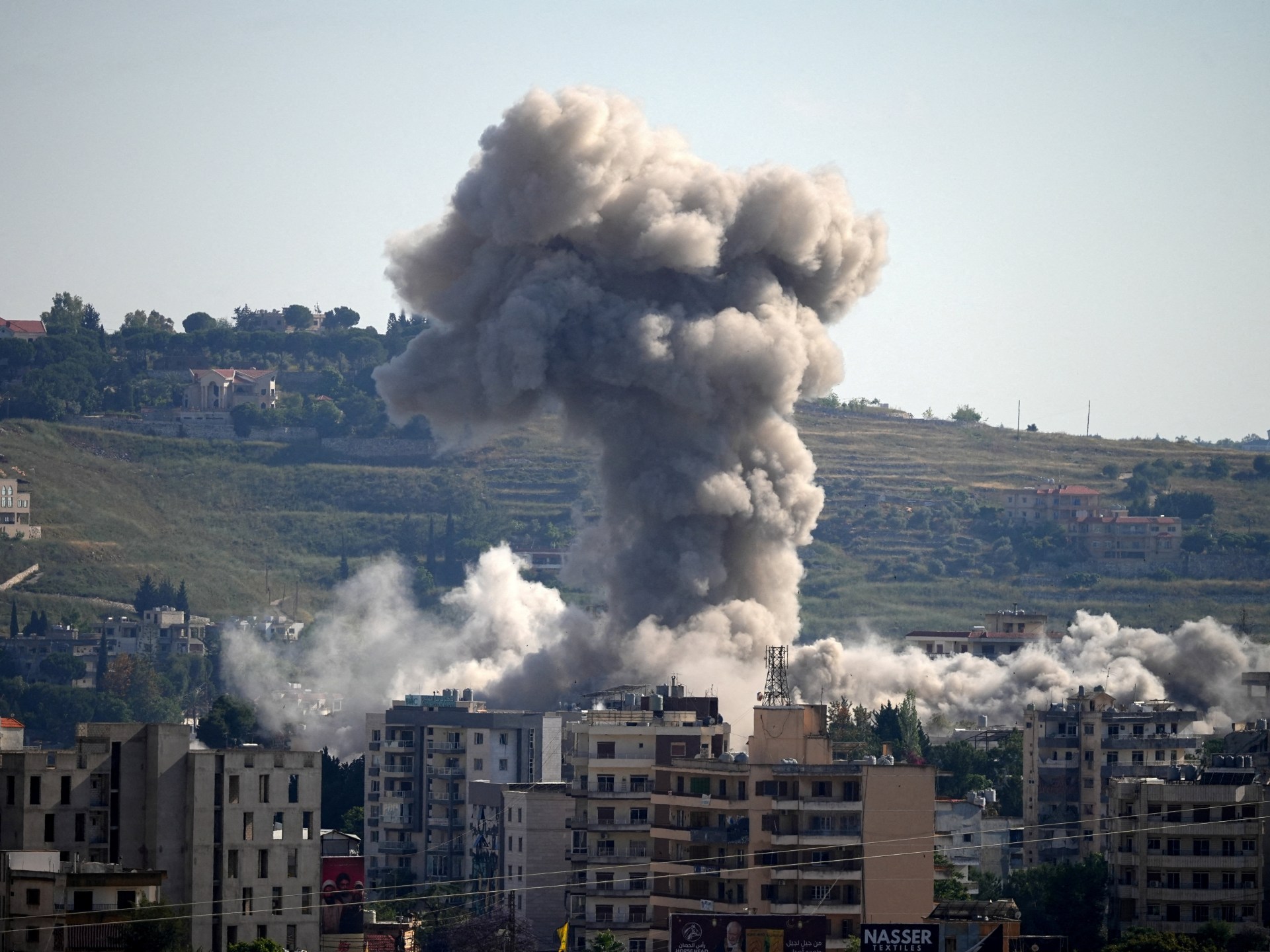
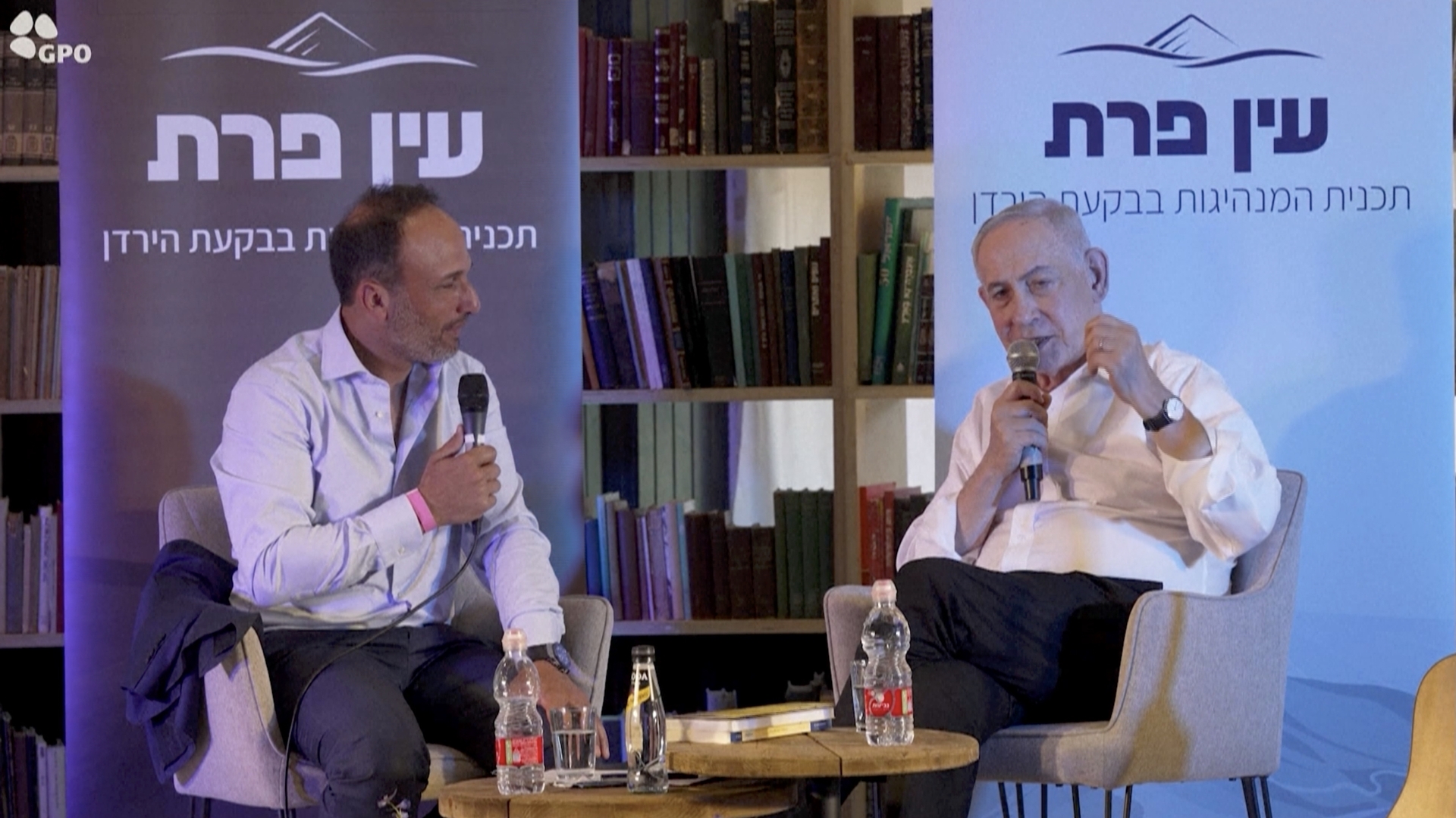
Recent reports indicate that Israeli Prime Minister Benjamin Netanyahu has directed the country's military to establish control over a substantial portion of the Gaza Strip, specifically 70 percent of the territory. This directive, if confirmed and implemented, would represent a significant shift in the operational parameters within the Gaza Strip.
Context of the Gaza Strip
The Gaza Strip is a densely populated Palestinian territory on the eastern coast of the Mediterranean Sea. It shares borders with Israel to the east and north, and with Egypt to the southwest. For many years, the area has been a focal point of geopolitical tensions and conflict. Its governance and security arrangements have been subjects of ongoing international discussion and dispute.
Implications of Such a Command
An order to seize control of such a large percentage of Gaza would carry considerable implications, both militarily and politically. From a military perspective, it would likely involve extensive ground operations and the establishment of a sustained presence across a wide area. This could entail significant logistical challenges and potential for prolonged engagement.
Politically, such a move would undoubtedly draw international attention and responses. The status of the Gaza Strip is a sensitive issue, and any unilateral actions to alter its territorial control are typically met with scrutiny from international bodies, neighboring countries, and humanitarian organizations. Concerns often revolve around the well-being of the civilian population, access to humanitarian aid, and the potential for exacerbating regional instability.
Historical Background of Israeli Presence in Gaza
Historically, Israel maintained a military presence and settlements in Gaza until 2005, when it unilaterally disengaged, withdrawing its troops and evacuating its settlements. Since then, while not maintaining a direct ground presence within the strip, Israel has maintained control over Gaza's airspace and territorial waters, and largely controls the movement of goods and people across its borders with Gaza, alongside Egypt's control over its own border crossing. Any re-establishment of extensive ground control would mark a substantial departure from the post-2005 status quo.
International Law and Perspectives
Under international law, particularly the Fourth Geneva Convention, an occupying power has specific responsibilities towards the civilian population in occupied territories. These responsibilities include ensuring the provision of essential services, maintaining public order, and protecting the rights of civilians. Any actions taken to control territory would likely be assessed against these international legal frameworks by the global community.
The international community's response to such a reported order would be multifaceted, potentially including calls for de-escalation, adherence to international humanitarian law, and diplomatic efforts to address the underlying issues of the conflict. The long-term implications for peace efforts in the region would also be a significant consideration.
Source: Al Jazeera